30–35% → 2–3% moisture. About 30% of the feed weight leaves as water, giving a stable product that stores and ships.
Cornflakes drying happens in two stages: cooked maize grits are partly dried and tempered for flaking, then the rolled flakes are toasted until crisp and blistered. Each stage sets a different quality attribute, from flake size to colour and bowl life. Manufacturers control this process tightly because small moisture errors show up as hard, pale or burnt flakes.
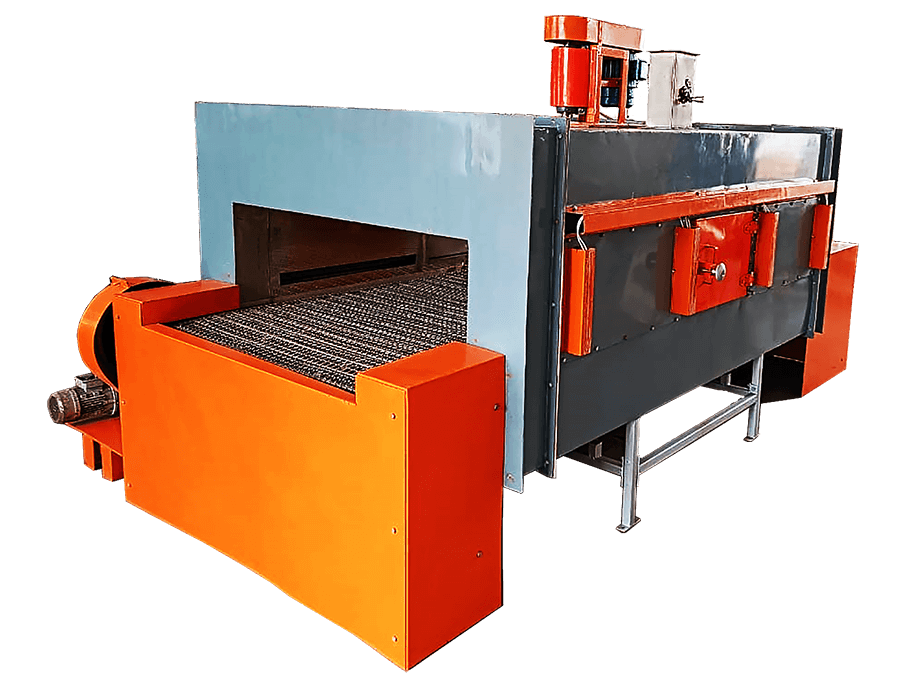
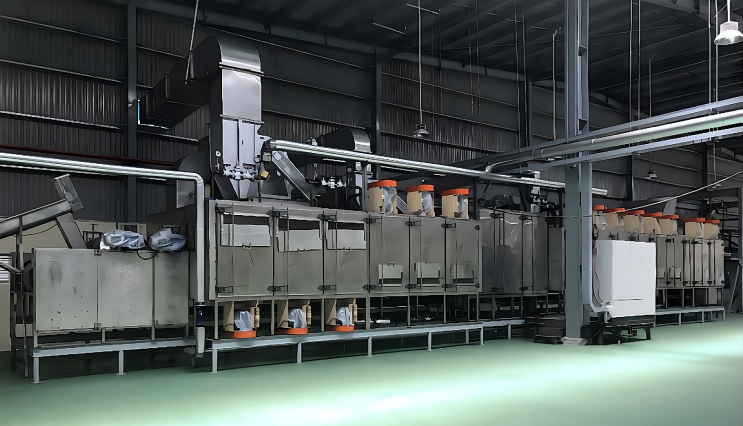
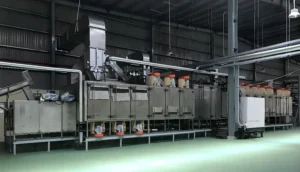
To dry cornflakes, GEM recommends the Tunnel & Belt Oven and Band Dryer (Beltotherm). Typical moisture is 30–35% in the feed and 2–3% after drying. Multi-Pass Conveyor Dryer and Industrial Cooler are used when the feed or site calls for it. Every project starts with a pilot trial on your own sample.
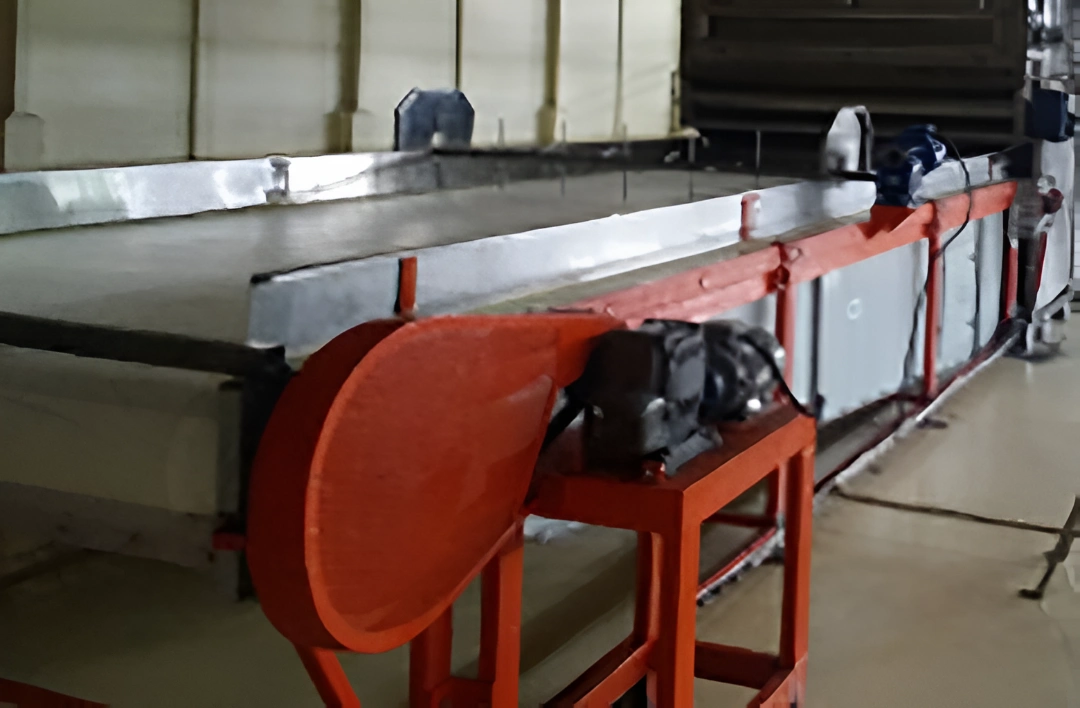
A belt oven toasts flakes in a thin, even layer with independent top and bottom heat, giving consistent blistering and colour. A band dryer handles grit pre-drying and post-coating drying; a multi-pass dryer saves floor space for the grit stage.
| Typical feed moisture | 30–35% |
| Typical target moisture | 2–3% |
| Recommended dryer | Tunnel & Belt Oven, Band Dryer (Beltotherm) |
| Alternatives | Multi-Pass Conveyor Dryer, Industrial Cooler |
| Application area | Food Products & Snacks |
| Industries | Food & Beverage |
Even toasting lowers the share of burnt or pale flakes that must be screened out. Correct final moisture protects crispness for the full shelf life, and continuous belts reduce labour compared with batch rotary toasters.
Plants searching for a cornflakes dryer or comparing a cornflakes toasting oven usually need three answers: which dryer fits, what it costs to run, and how fast it pays back. For Cornflakes, we start from your throughput, current moisture (typically 30–35%) and the target (2–3%), trial a sample on the Tunnel & Belt Oven, and return a sized recommendation with a budget quotation for your food operation.
We trial your material in our pilot facility before any equipment decision, then size the dryer from real data.
Describe it in the form, or Message an Engineer directly →