Particulate foods drying covers free-flowing food granules such as seasonings, textured vegetable protein, breadcrumbs, coated particles and agglomerated powders. Because the pieces are small and separate, they can be dried in a moving or fluidised bed with good air contact. Processors dry particulate foods to achieve uniform moisture, flowability and shelf life in blending and packaging.
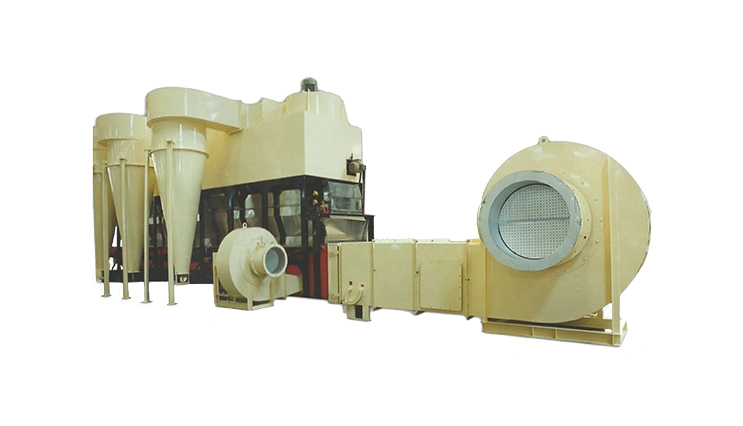
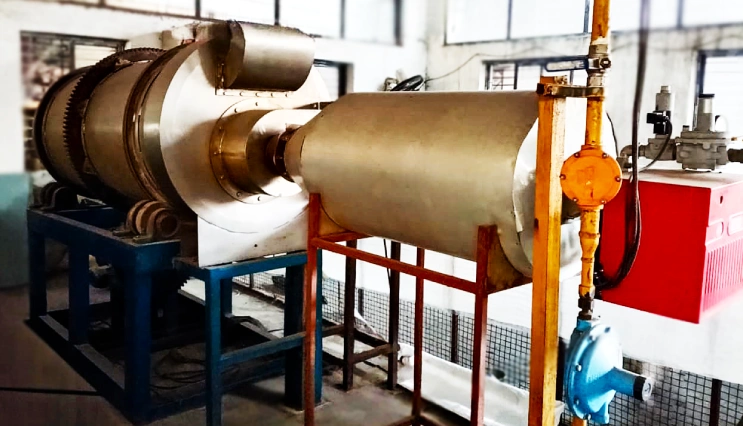
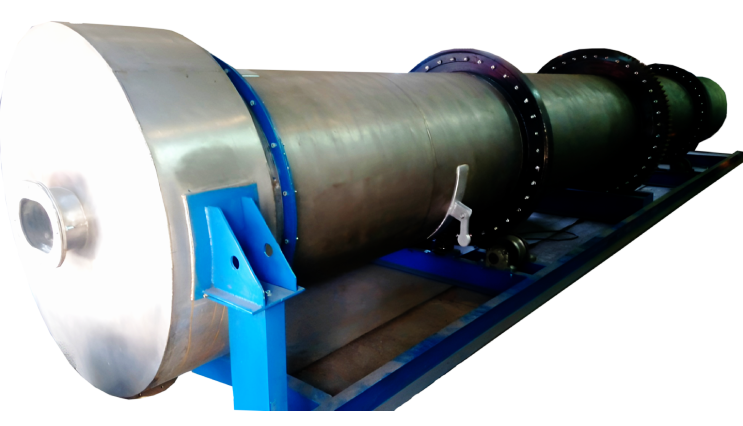
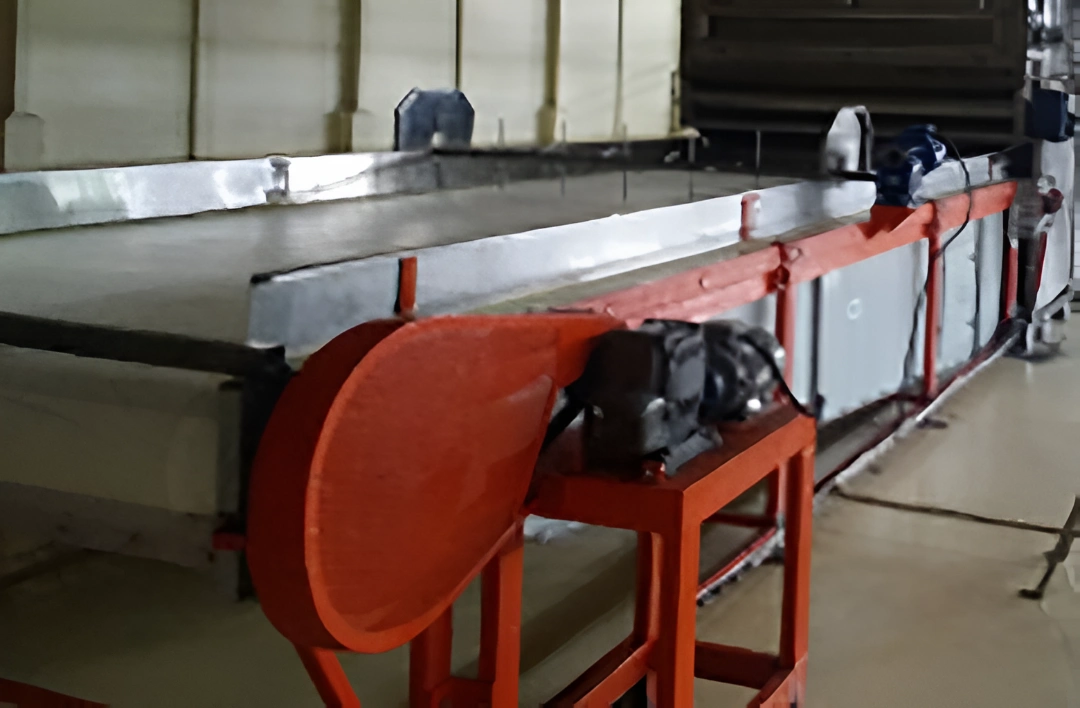
To dry particulate foods, GEM recommends the Vibratory Fluid Bed Dryer. Rotary Louvre Dryer, Direct / Indirect Rotary Dryer and Industrial Cooler are used when the feed or site calls for it. Every project starts with a pilot trial on your own sample.
A vibratory fluid bed suits free-flowing food particles because vibration helps fluidise uneven sizes gently. Rotary louvre dryers handle higher tonnage, and direct or indirect rotary dryers are chosen for coarse or less free-flowing particles.
| Recommended dryer | Vibratory Fluid Bed Dryer |
| Alternatives | Rotary Louvre Dryer, Direct / Indirect Rotary Dryer, Industrial Cooler |
| Application area | Food Products & Snacks |
| Industries | Food & Beverage |
Uniform moisture across particles prevents caking and microbial growth in blends and packs. Good flowability supports automatic dosing, and efficient drying lowers energy per tonne.
Plants searching for a food granule dryer or comparing a fluid bed dryer for food usually need three answers: which dryer fits, what it costs to run, and how fast it pays back. For Particulate Foods, we start from your throughput, current moisture and the target, trial a sample on the Vibratory Fluid Bed Dryer, and return a sized recommendation with a budget quotation for your food operation.
We trial your material in our pilot facility before any equipment decision, then size the dryer from real data.
Describe it in the form, or message an engineer directly.