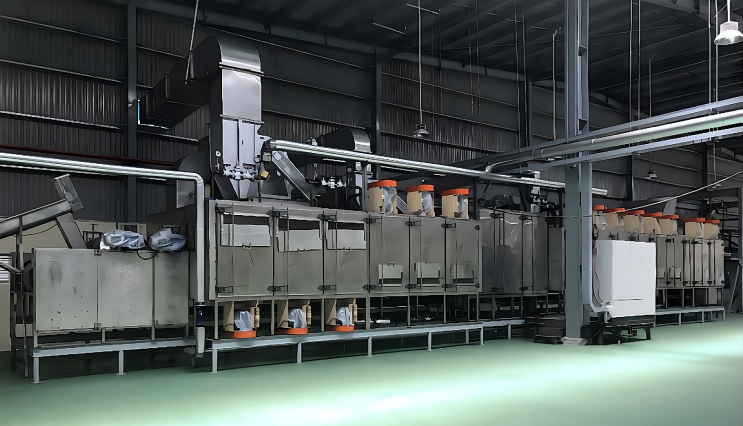
Vermicelli and noodles drying deals with long, very thin strands that lose water quickly at the surface and become brittle if handled wrongly. Wheat vermicelli, rice sticks and non-fried instant noodle blocks all need a gentle start and a firm finish. Producers dry noodles to remove the frying step, extend shelf life and supply roasted or plain vermicelli in bulk.
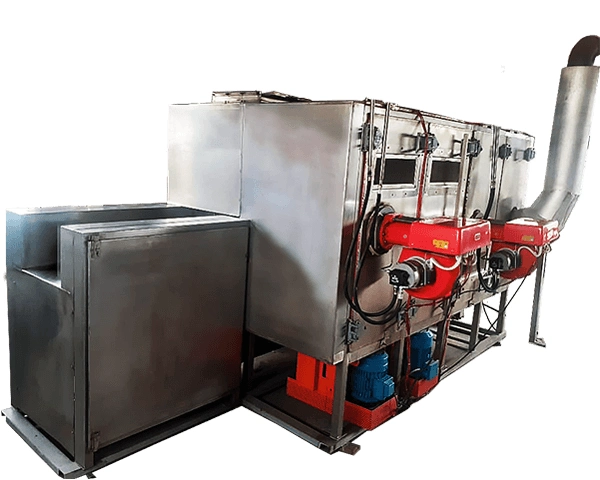
To dry vermicelli & noodles, GEM recommends the Multi-Pass Conveyor Dryer. Typical moisture is 28–35% in the feed and 10–12% after drying. Band Dryer and Industrial Roaster are used when the feed or site calls for it. Every project starts with a pilot trial on your own sample.
A multi-pass conveyor dryer carries nests, blocks or cut strands through separate humidity-controlled passes so moisture leaves evenly. A single band suits steamed rice noodle sheets; a roaster is added where vermicelli is sold pre-roasted.
| Typical feed moisture | 28–35% |
| Typical target moisture | 10–12% |
| Recommended dryer | Multi-Pass Conveyor Dryer |
| Alternatives | Band Dryer, Industrial Roaster |
| Application area | Food Products & Snacks |
| Industries | Food & Beverage |
Air-dried noodles avoid frying oil cost and support lower-fat product claims. Controlled drying reduces breakage, which directly improves saleable yield, while stable moisture gives months of shelf life for distribution through retail and export channels.
Plants searching for a vermicelli dryer or comparing a noodle drying machine usually need three answers: which dryer fits, what it costs to run, and how fast it pays back. For Vermicelli & Noodles, we start from your throughput, current moisture (typically 28–35%) and the target (10–12%), trial a sample on the Multi-Pass Conveyor Dryer, and return a sized recommendation with a budget quotation for your food operation.
We trial your material in our pilot facility before any equipment decision, then size the dryer from real data.
Describe it in the form, or message an engineer directly.