Biscuits & Cookies

Biscuits & Cookies Baking

Biscuit and cookie baking removes most water from a relatively dry dough while developing spread, structure and colour. Hard sweet and Marie-type biscuits bake thin and crisp, while rotary-moulded cookies with more fat and sugar need gentler profiles to avoid dark edges and checking after cooling.

Quick answer

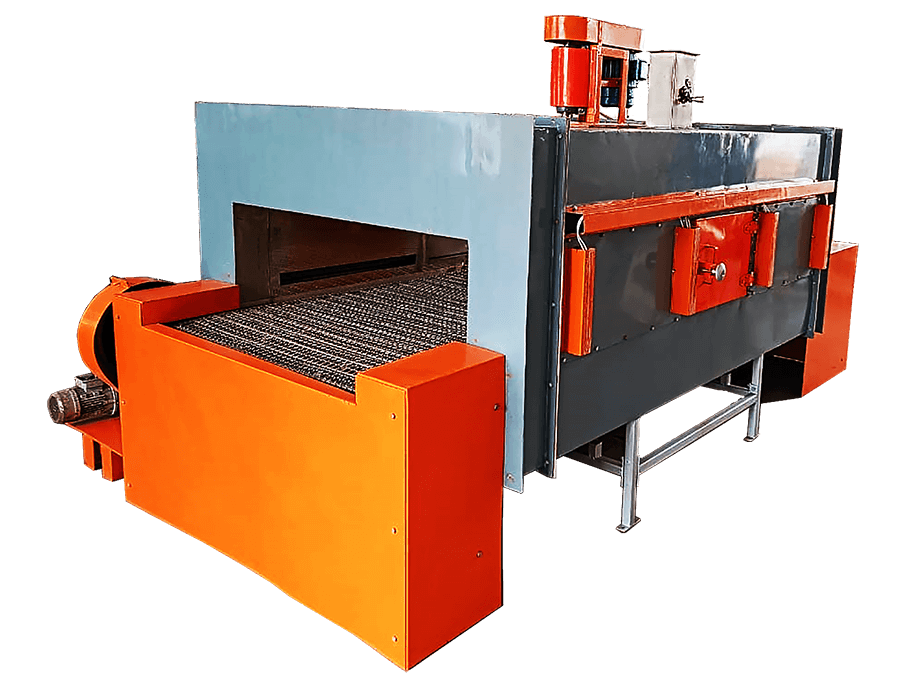
To dry biscuits & cookies, GEM recommends the Tunnel & Belt Oven. The usual target is 1–4% moisture. Industrial Cooler is used when the feed or site calls for it. Every project starts with a pilot trial on your own sample.

1998established112+installations7countriesDried & Testedin-house pilot trialsCertifications · Case studies
The challenge

What makes Biscuits & Cookies hard to dry

  • Final moisture is very low, and residual moisture differences cause checking cracks during cooling.
  • High sugar and fat formulas brown quickly at edges before centres are done.
  • Thin dough pieces need tightly controlled spread and thickness so stacks fit the wrapper dimensions.
  • Crumb and fat residue on belts can cause flavour carryover and hygiene concerns.
How GEM dries it

The right dryer for Biscuits & Cookies

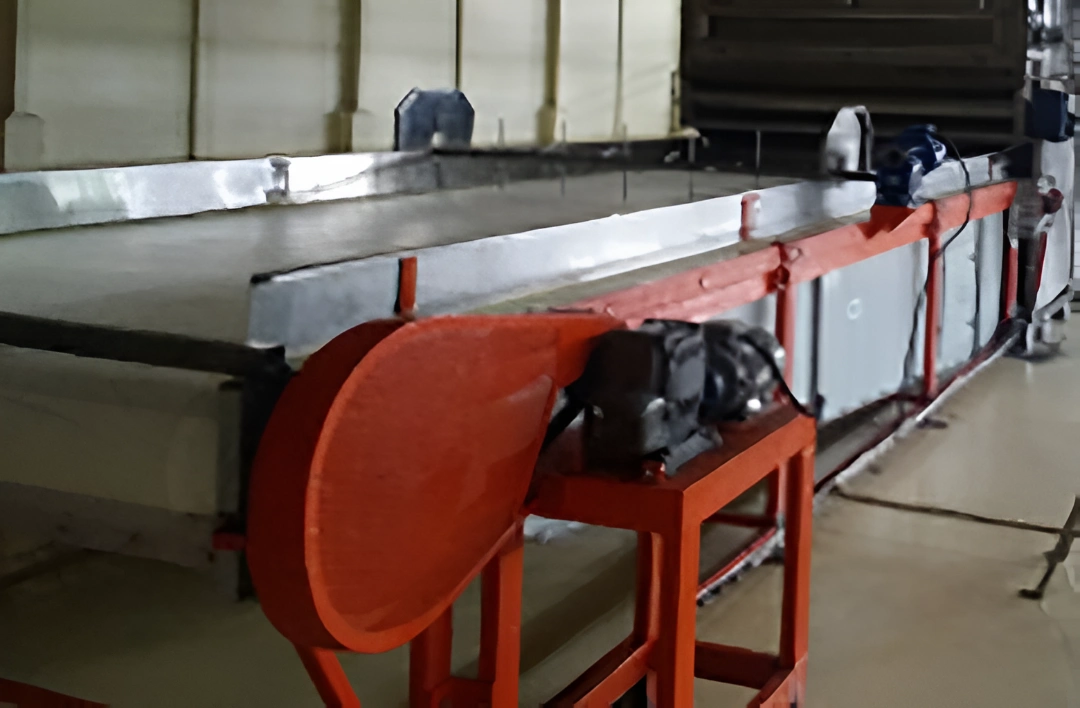
A tunnel oven applies zoned top and bottom heat to set structure, drive off moisture and develop colour evenly. A cooling conveyor follows so biscuits stabilise before stacking and packing, reducing checking.

Typical target moisture1–4%
Recommended dryerTunnel & Belt Oven
AlternativesIndustrial Cooler
Application areaBakery, Biscuits & Rice Crackers
IndustriesFood & Beverage
The value

What drying Biscuits & Cookies unlocks

Consistent bake profiles reduce breakage, colour variation and checking, which lowers rework. Low, uniform final moisture keeps biscuits crisp to the end of shelf life.

Dried Biscuits & Cookies becomes

  • Glucose and Marie biscuits
  • Butter cookies
  • Cream sandwich biscuit shells
For buyers

Buying a Biscuits & Cookies dryer?

Plants searching for a biscuit baking oven or comparing a cookie tunnel oven usually need three answers: which dryer fits, what it costs to run, and how fast it pays back. For Biscuits & Cookies, we start from your throughput, current moisture and the target (1–4%), trial a sample on the Tunnel & Belt Oven, and return a sized recommendation with a budget quotation for your food operation.

FAQ

Biscuits & Cookies: questions buyers ask

What causes checking in baked biscuits?
Checking usually comes from moisture gradients inside the biscuit after baking. Balanced oven zones and controlled cooling reduce these gradients and the hairline cracks they produce.
Can biscuits and cookies share one oven?
Often yes, with separate recipes for zone temperatures and belt speed. Very different products may need different belt types, which we review against your range.
Related

Related materials

Compare all 9 materials in Bakery, Biscuits & Rice Crackers.

Send us a sample. See it dried.

We trial your material in our pilot facility before any equipment decision, then size the dryer from real data.

  1. Tell us the material, moisture and throughput.
  2. An engineer confirms the trial plan and sample shipping.
  3. You get drying data and a sized recommendation with a budget quotation.

Material not listed? Talk to our technical expert.

Describe it in the form, or message an engineer directly.

Request a trial or quotation

    An engineer replies within one working day. We never share your details.

    whatsapp