Bread Baking

  • Pilot trial on your own sample
  • 112+ installations in 7 countries
  • Engineer replies in 1 working day

Bread baking on a continuous line sets crumb structure, crust colour and volume for pan loaves, buns and rolls in a few minutes. Unlike drying, the aim is to keep a moist, soft crumb inside while the crust browns, so heat must be applied in a carefully staged sequence along the oven.

Quick answer

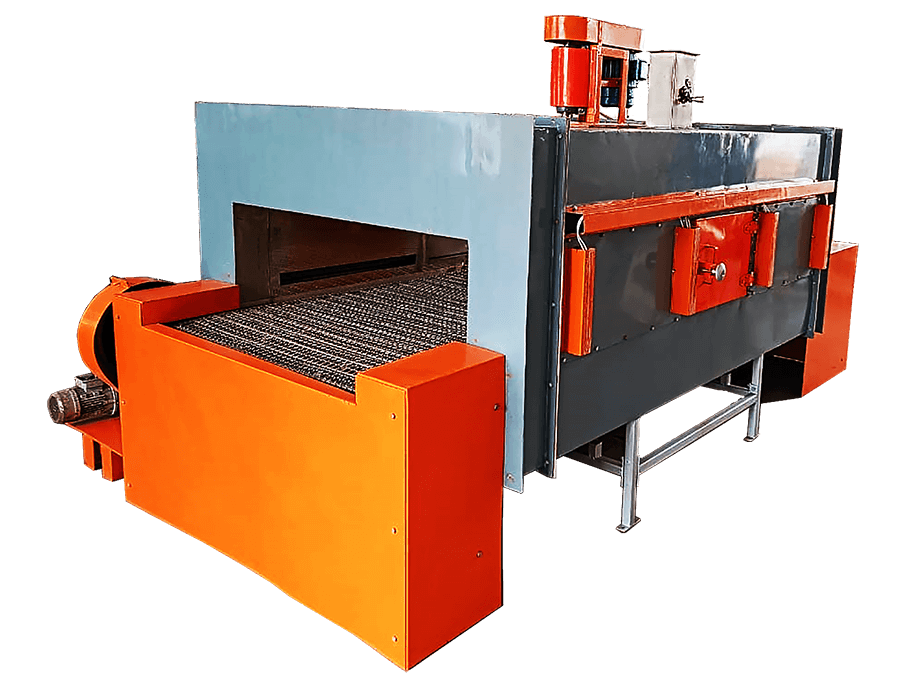
To dry bread, GEM recommends the Tunnel & Belt Oven. Industrial Cooler is used when the feed or site calls for it. Every project starts with a pilot trial on your own sample.

1998established112+installations7countriesDried & Testedin-house pilot trialsCertifications · Case studies
The challenge

What makes Bread hard to dry

  • Oven spring in early zones needs controlled heat so loaves rise evenly before the crust sets.
  • Crust colour from Maillard browning varies with sugar levels and zone temperatures.
  • Under-baked crumb becomes sticky and moulds faster, while over-baking dries the loaf.
  • Hot bread must be cooled before slicing and bagging to prevent condensation and mould.
How GEM dries it

The right dryer for Bread

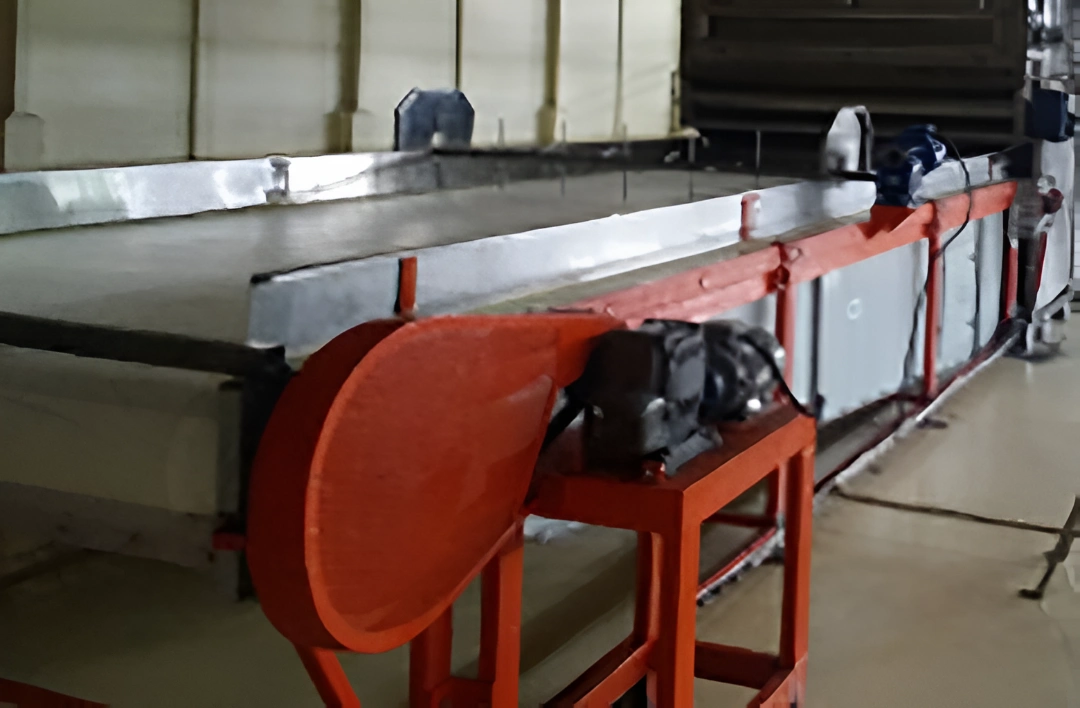
A tunnel oven with independently controlled zones gives the staged heat bread needs for rise, crust colour and complete crumb setting. A cooler follows to bring loaves to slicing temperature before packing.

Recommended dryerTunnel & Belt Oven
AlternativesIndustrial Cooler
Application areaBakery, Biscuits & Rice Crackers
IndustriesFood & Beverage
The value

What drying Bread unlocks

Continuous baking reduces labour per loaf and gives consistent colour and volume across shifts. Correct baking and cooling also extend shelf life and lower returns from retailers.

Dried Bread becomes

  • Pan bread and sandwich loaves
  • Burger buns and dinner rolls
  • Pav and soft rolls
For buyers

Buying a Bread dryer?

Plants searching for a bread baking oven or comparing a tunnel oven for bread usually need three answers: which dryer fits, what it costs to run, and how fast it pays back. For Bread, we start from your throughput, current moisture and the target, trial a sample on the Tunnel & Belt Oven, and return a sized recommendation with a budget quotation for your food operation.

FAQ

Bread: questions buyers ask

Can a tunnel oven bake both bread and buns?
Yes, with recipe settings for belt speed and zone temperatures. Product size and tin arrangement differ, so we confirm loading and bake profile against your range.
Why cool bread before packing?
Warm bread releases moisture inside the bag, which condenses on the film and encourages mould. Cooling the loaf core to near ambient also firms the crumb so slicing is clean and loaves do not squash.

Send us a sample. See it dried.

We trial your material in our pilot facility before any equipment decision, then size the dryer from real data.

  1. Tell us the material, moisture and throughput.
  2. An engineer confirms the trial plan and sample shipping.
  3. You get drying data and a sized recommendation with a budget quotation.

Material not listed? Talk to our technical expert.

Describe it in the form, or directly →

Request a trial or quotation

    An engineer replies within one working day. We never share your details.

    Chat with GEM Drytech on WhatsApp