Boric Acid Drying

4–8% → ≤0.5% moisture. About 5% of the feed weight leaves as water, so the product meets spec and handles freely.

  • Pilot trial on your own sample
  • 112+ installations in 7 countries
  • Engineer replies in 1 working day

Boric acid drying works on white crystals produced by reacting borax or boron ores with sulphuric acid. The acid starts converting to metaboric acid at elevated temperature, so drying has to stay moderate. Glass, nuclear and pharmaceutical buyers expect free-flowing, low-sulphate crystals with stable assay.

Quick answer

To dry boric acid, GEM recommends the Vibratory Fluid Bed Dryer. Typical moisture is 4–8% in the feed and ≤0.5% after drying. Flash Dryer and Rotary Louvre Dryer are used when the feed or site calls for it. Every project starts with a pilot trial on your own sample.

1998established112+installations7countriesDried & Testedin-house pilot trialsCertifications · Case studies
The challenge

What makes Boric Acid hard to dry

  • Excessive product temperature dehydrates boric acid towards metaboric acid, shifting assay outside the buyer's specification.
  • Residual sulphate from the reaction step makes crystals sticky if washing is incomplete.
  • Boric acid crystals cake strongly in humid storage unless they are dried thoroughly and cooled before bagging.
  • Fine boric acid dust carries reproductive toxicity classifications in some markets, so extraction and sealed transfer points are needed.
How GEM dries it

The right dryer for Boric Acid

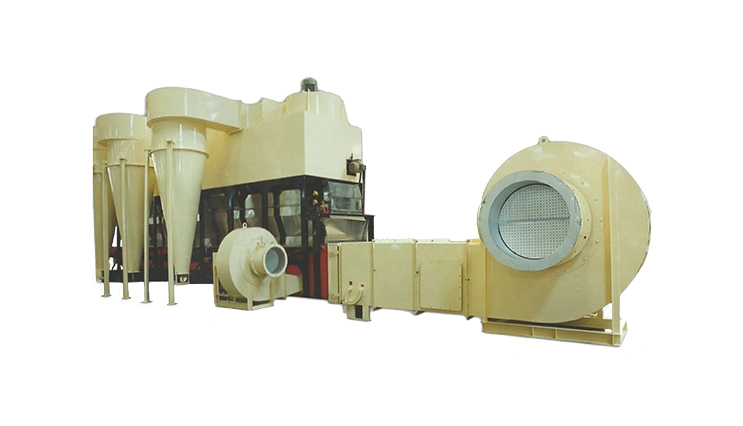
A vibratory fluid bed gives even drying of crystals at a controlled product temperature, with a cooling zone to stop caking. Flash dryers suit fine powder grades; louvre rotary dryers suit large technical-grade plants.

Typical feed moisture4–8%
Typical target moisture≤0.5%
Recommended dryerVibratory Fluid Bed Dryer
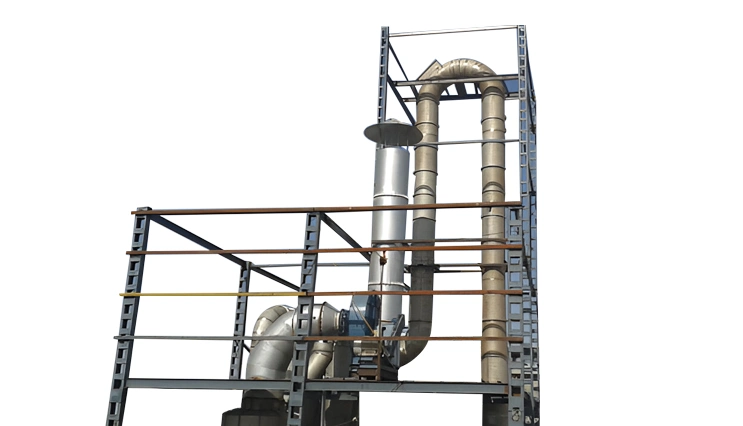
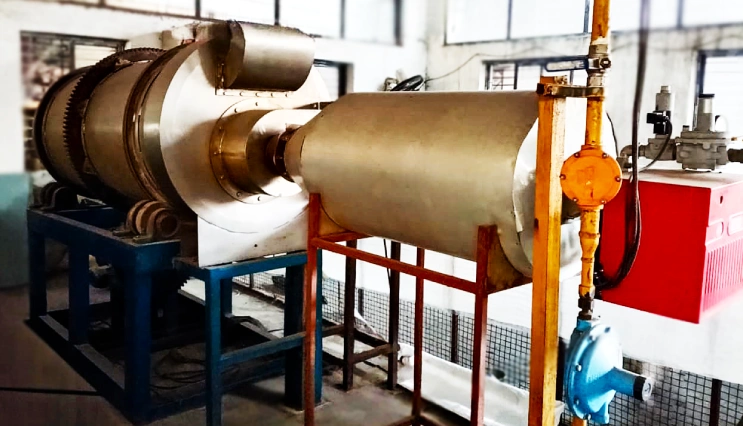
AlternativesFlash Dryer, Rotary Louvre Dryer
Application areaChemicals & Salts
IndustriesChemicals & Specialty Chemicals
The value

What drying Boric Acid unlocks

Stable assay and free-flowing crystals meet the specifications of glass fibre and pharmaceutical buyers, while proper dust control limits exposure to a substance that is under regulatory watch in several markets.

Dried Boric Acid becomes

  • Glass fibre and borosilicate glass
  • Nuclear reactor control chemical
  • Antiseptic and pharmaceutical grade
  • Flame retardant and wood preservative
For buyers

Buying a Boric Acid dryer?

Plants searching for a boric acid dryer or comparing a boric acid drying plant usually need three answers: which dryer fits, what it costs to run, and how fast it pays back. For Boric Acid, we start from your throughput, current moisture (typically 4–8%) and the target (≤0.5%), trial a sample on the Vibratory Fluid Bed Dryer, and return a sized recommendation with a budget quotation for your chemicals operation.

FAQ

Boric Acid: questions buyers ask

What drying temperature suits boric acid?
Product temperature is kept moderate so that boric acid does not start losing water to form metaboric acid. Exact limits are set in trials. Higher temperatures shift assay.
Can you dry fine boric acid powder?
Yes. Fine powders are often flash dried with efficient filtration, while crystalline grades usually go to a fluid bed. Both routes include dust collection, given the regulatory attention boric acid dust receives.
Related

Related materials

Compare all 31 materials in Chemicals & Salts.

Send us a sample. See it dried.

We trial your material in our pilot facility before any equipment decision, then size the dryer from real data.

  1. Tell us the material, moisture and throughput.
  2. An engineer confirms the trial plan and sample shipping.
  3. You get drying data and a sized recommendation with a budget quotation.

Material not listed? Talk to our technical expert.

Describe it in the form, or directly →

Request a trial or quotation

    An engineer replies within one working day. We never share your details.

    Chat with GEM Drytech on WhatsApp