3–6% → ≤0.5% moisture. About 5% of the feed weight leaves as water, so the product meets spec and handles freely.
Borax drying removes surface moisture from centrifuged sodium borate crystals, usually the decahydrate or pentahydrate grade. Both hydrates give up bound water at fairly low temperatures, so heating profiles that suit ordinary salts can turn borax crystals chalky, change assay and create hard lumps during storage.
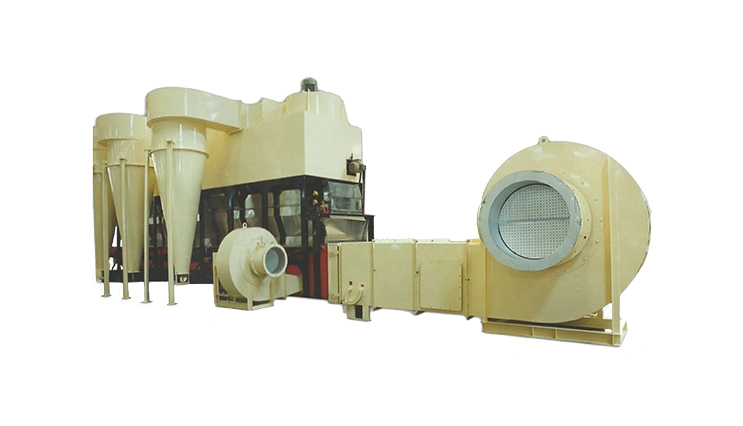
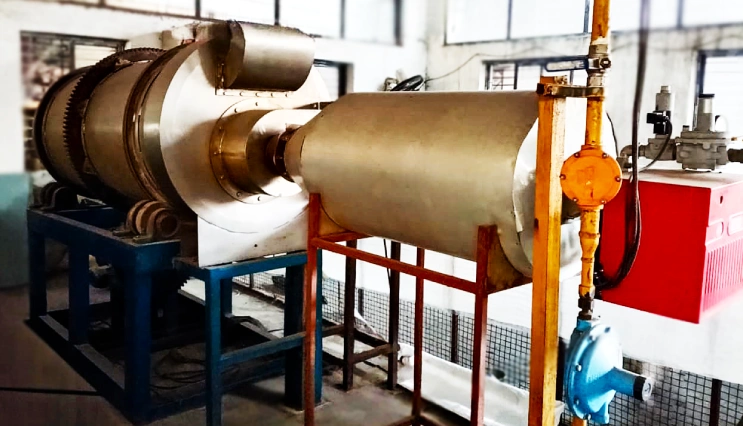
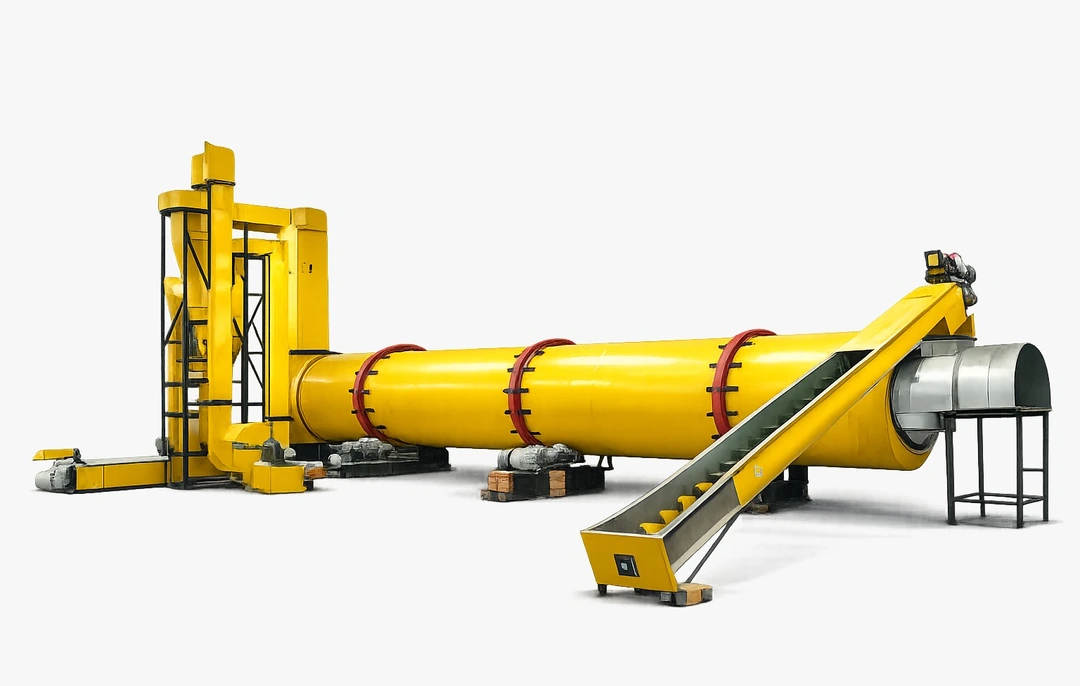
To dry borax, GEM recommends the Vibratory Fluid Bed Dryer. Typical moisture is 3–6% in the feed and ≤0.5% after drying. Rotary Louvre Dryer and Rotary Dryer are used when the feed or site calls for it. Every project starts with a pilot trial on your own sample.
A vibratory fluid bed dries borax crystals gently with closely controlled air temperature and cools them in the final zone. Louvre or direct rotary dryers are used for high-tonnage technical grades where some breakage is acceptable.
| Typical feed moisture | 3–6% |
| Typical target moisture | ≤0.5% |
| Recommended dryer | Vibratory Fluid Bed Dryer |
| Alternatives | Rotary Louvre Dryer, Rotary Dryer |
| Application area | Chemicals & Salts |
| Industries | Chemicals & Specialty Chemicals |
Correct hydrate and dry, cooled crystals avoid assay disputes and caked bulk bags, protecting contracts with glass and detergent customers that test incoming borate carefully.
Plants searching for a borax dryer or comparing a borax crystal drying usually need three answers: which dryer fits, what it costs to run, and how fast it pays back. For Borax, we start from your throughput, current moisture (typically 3–6%) and the target (≤0.5%), trial a sample on the Vibratory Fluid Bed Dryer, and return a sized recommendation with a budget quotation for your chemicals operation.
We trial your material in our pilot facility before any equipment decision, then size the dryer from real data.
Describe it in the form, or Message an Engineer directly →