Phosphorus Pentasulfide

Phosphorus Pentasulfide Flaking

Phosphorus pentasulfide drying is a misnomer: the product is never in contact with water, because it reacts with moisture to release toxic, flammable hydrogen sulphide. The molten product from the phosphorus and sulphur reaction is solidified and cooled under inert gas before milling for lubricant additive and pesticide synthesis.

Quick answer

To dry phosphorus pentasulfide, GEM recommends the Drum Flaker. Industrial Cooler is used when the feed or site calls for it. Every project starts with a pilot trial on your own sample.

1998established112+installations7countriesDried & Testedin-house pilot trialsCertifications · Case studies
The challenge

What makes Phosphorus Pentasulfide hard to dry

  • Contact with moisture or humid air releases hydrogen sulphide, so equipment must be kept dry and inerted.
  • The solid is flammable and its dust can ignite, demanding nitrogen blanketing throughout.
  • Hot melt solidifies irregularly unless drum cooling is even and well controlled.
  • Product reactivity changes with cooling rate, which affects its performance in downstream synthesis.
How GEM dries it

The right dryer for Phosphorus Pentasulfide

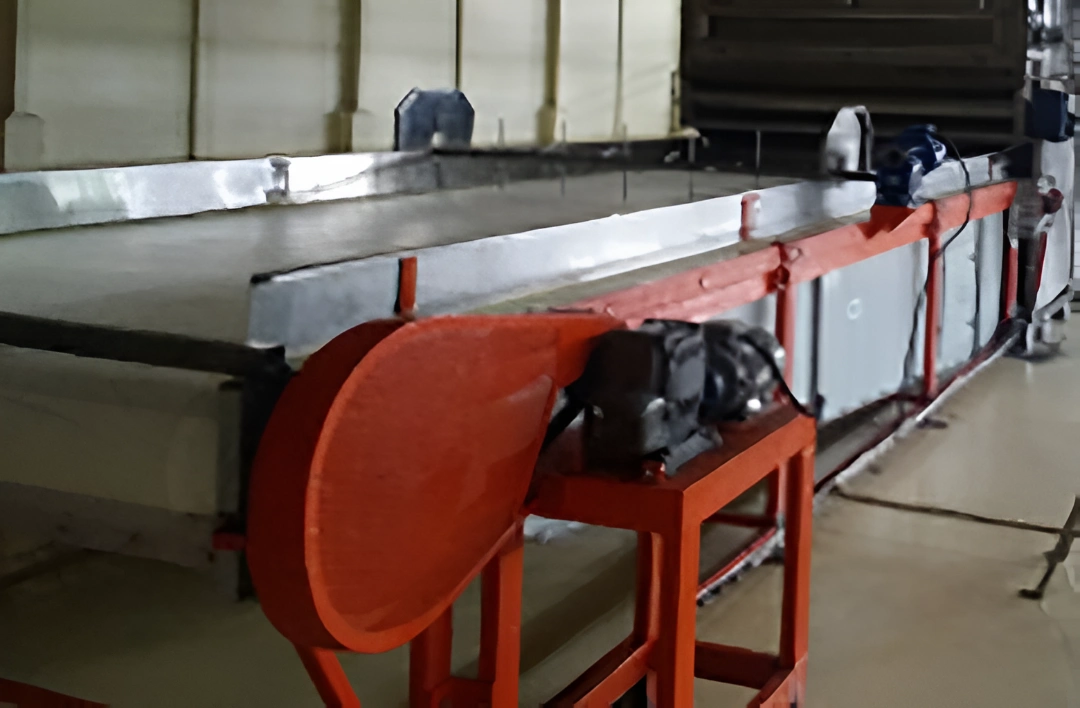
A nitrogen-blanketed drum flaker solidifies the melt in a sealed casing with no air or water contact. An enclosed industrial cooler can follow when solidified product needs further cooling before milling and packing.

Recommended dryerDrum Flaker
AlternativesIndustrial Cooler
Application areaChemicals & Salts
IndustriesChemicals & Specialty Chemicals
The value

What drying Phosphorus Pentasulfide unlocks

Controlled solidification under nitrogen protects product reactivity that downstream customers rely on, while sealed design prevents the hydrogen sulphide releases that create serious safety and regulatory exposure.

Dried Phosphorus Pentasulfide becomes

  • ZDDP lubricant additive synthesis
  • Organophosphate pesticide intermediates
  • Flotation reagents
  • Solid-state electrolyte research
For buyers

Buying a Phosphorus Pentasulfide dryer?

Plants searching for a phosphorus pentasulfide flaker or comparing a P2S5 solidification usually need three answers: which dryer fits, what it costs to run, and how fast it pays back. For Phosphorus Pentasulfide, we start from your throughput, current moisture and the target, trial a sample on the Drum Flaker, and return a sized recommendation with a budget quotation for your chemicals operation.

FAQ

Phosphorus Pentasulfide: questions buyers ask

Can phosphorus pentasulfide be water-cooled directly?
No. Water contact releases hydrogen sulphide. Cooling is done through the drum wall while the product side stays dry and inert. This keeps the product dry and the area free of hydrogen sulphide.
Is this a standard flaker?
It needs a sealed, inerted casing and safety interlocks. Design is developed with your process safety team. Oxygen and moisture monitoring is usually built in, with interlocks that stop the feed if inerting fails.
Related

Related materials

Compare all 31 materials in Chemicals & Salts.

Send us a sample. See it dried.

We trial your material in our pilot facility before any equipment decision, then size the dryer from real data.

  1. Tell us the material, moisture and throughput.
  2. An engineer confirms the trial plan and sample shipping.
  3. You get drying data and a sized recommendation with a budget quotation.

Material not listed? Talk to our technical expert.

Describe it in the form, or message an engineer directly.

Request a trial or quotation

    An engineer replies within one working day. We never share your details.

    whatsapp