Calcium Chloride Flaking

  • Pilot trial on your own sample
  • 112+ installations in 7 countries
  • Engineer replies in 1 working day

Calcium chloride flaking solidifies concentrated liquor of around 74–78% strength into dihydrate flakes on a cooled drum. The product is used for dust control, de-icing, oil drilling and concrete acceleration, and it absorbs moisture so readily that flake quality and fast packing decide whether bags arrive free-flowing.

Quick answer

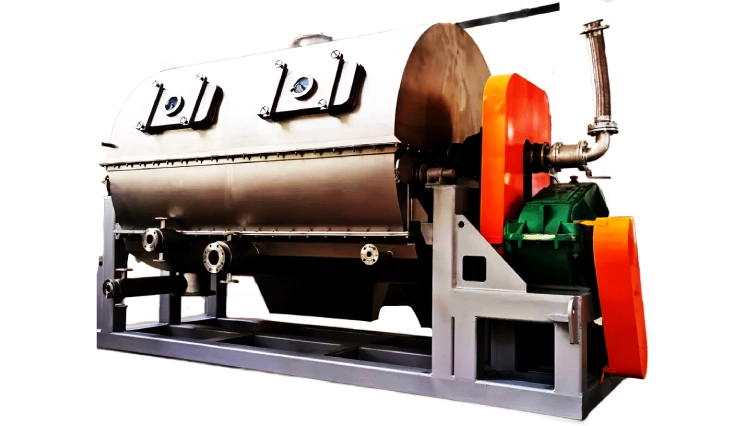
To dry calcium chloride flakes, GEM recommends the Drum Flaker. Combination Fluid Bed Dryer and Industrial Cooler are used when the feed or site calls for it. Every project starts with a pilot trial on your own sample.

1998established112+installations7countriesDried & Testedin-house pilot trialsCertifications · Case studies
The challenge

What makes Calcium Chloride Flakes hard to dry

  • The concentrated chloride melt is corrosive, demanding careful choice of drum and knife materials.
  • Flakes absorb moisture rapidly and fuse together during storage in humid weather.
  • Inconsistent liquor strength from the evaporator produces soft or brittle flakes and raises the proportion of fines.
  • Hot flakes must be cooled before packing or they cake in the bag.
How GEM dries it

The right dryer for Calcium Chloride Flakes

A drum flaker solidifies the concentrated liquor directly into dihydrate flakes with no evaporation in hot air. A combination fluid bed is chosen for higher-strength granular or prilled grades, and an industrial cooler can follow the flaker where ambient conditions are hot.

Recommended dryerDrum Flaker
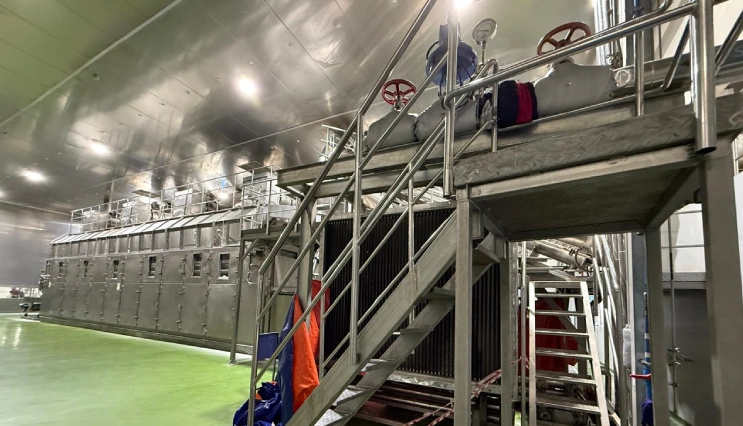
AlternativesCombination Fluid Bed Dryer, Industrial Cooler
Application areaChemicals & Salts
IndustriesChemicals & Specialty Chemicals
The value

What drying Calcium Chloride Flakes unlocks

Flaking converts soda ash and chemical plant calcium chloride liquor into a packaged product with export demand, cutting liquid freight costs and the need to dispose of surplus brine.

Dried Calcium Chloride Flakes becomes

  • Road de-icing and dust control
  • Oil well completion and drilling fluids
  • Concrete set accelerator
  • Refrigeration brine and desiccant
For buyers

Buying a Calcium Chloride Flakes dryer?

Plants searching for a calcium chloride flaker or comparing a calcium chloride flakes plant usually need three answers: which dryer fits, what it costs to run, and how fast it pays back. For Calcium Chloride Flakes, we start from your throughput, current moisture and the target, trial a sample on the Drum Flaker, and return a sized recommendation with a budget quotation for your chemicals operation.

FAQ

Calcium Chloride Flakes: questions buyers ask

What liquor strength suits flaking?
Dihydrate flakes are normally made from liquor of roughly 74–78% calcium chloride. Strength is confirmed from your process data and a flaking trial. Strength affects flake hardness.
Can you also make granular calcium chloride?
Higher-strength anhydrous granules need a separate drying route, often fluid bed based. Product grade decides the equipment. A drum flaker produces the common 74–78% dihydrate flake grade, which is the more widely traded form.

Send us a sample. See it dried.

We trial your material in our pilot facility before any equipment decision, then size the dryer from real data.

  1. Tell us the material, moisture and throughput.
  2. An engineer confirms the trial plan and sample shipping.
  3. You get drying data and a sized recommendation with a budget quotation.

Material not listed? Talk to our technical expert.

Describe it in the form, or directly →

Request a trial or quotation

    An engineer replies within one working day. We never share your details.

    Chat with GEM Drytech on WhatsApp