Zirconium hydroxide drying works with a gelatinous, high-moisture filter cake precipitated from zirconium oxychloride or sulphate solutions. The hydroxide is a precursor for zirconia ceramics, catalysts and zirconium chemicals, and the way it is dried decides surface area, agglomerate strength and how well it calcines later.
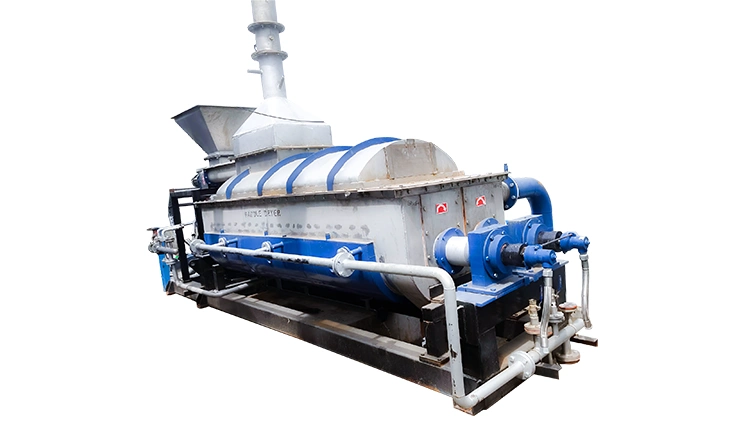
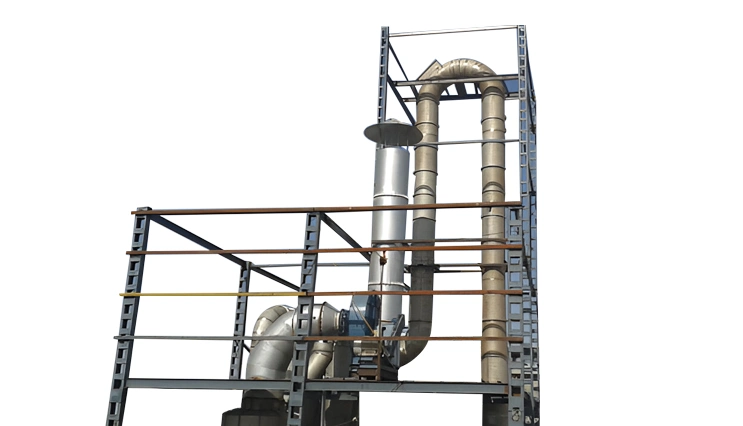
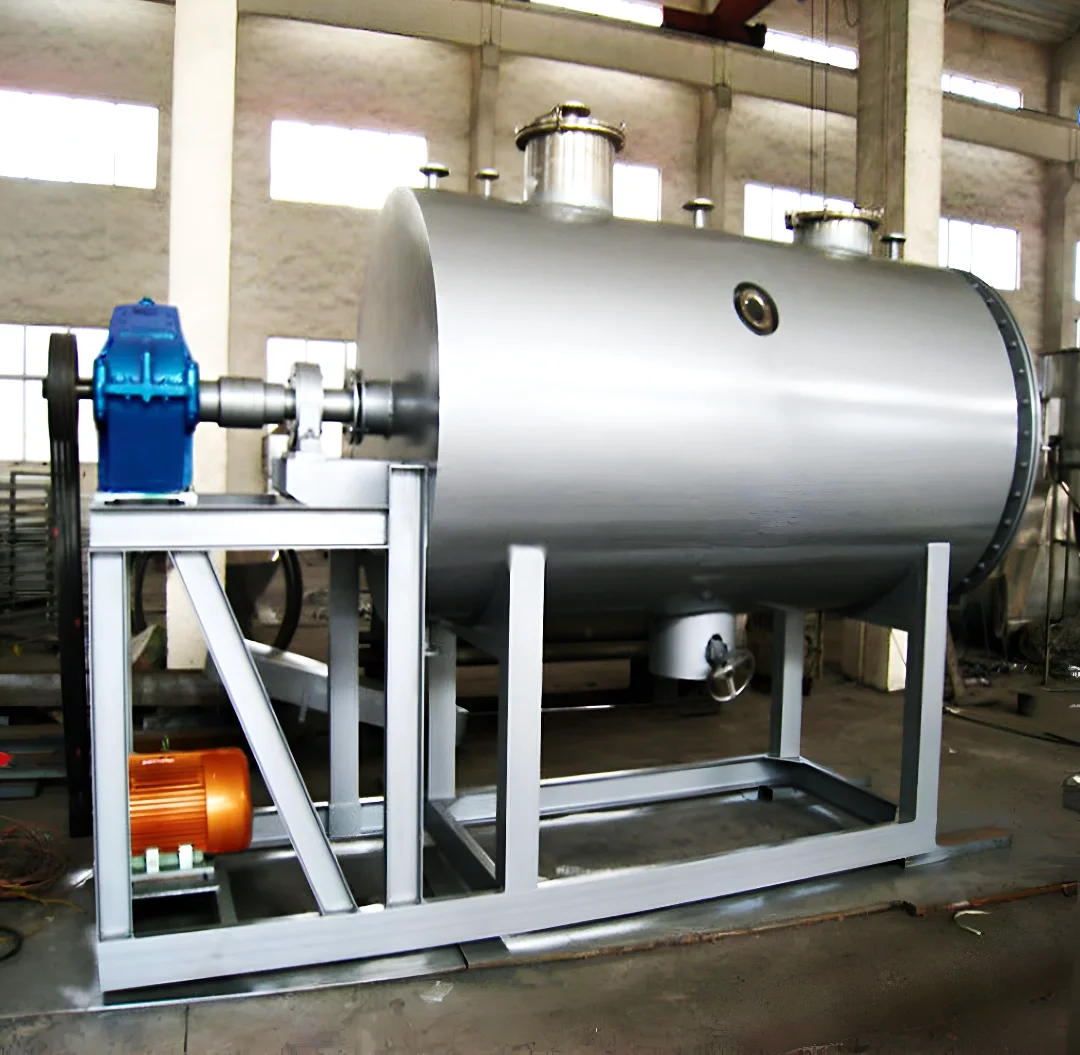
To dry zirconium hydroxide, GEM recommends the Paddle Dryer. Flash Dryer and Rotary Vacuum Dryer are used when the feed or site calls for it. Every project starts with a pilot trial on your own sample.
A paddle dryer kneads the sticky cake through its paste phase with indirect heating and low gas flow, giving controlled drying. A flash dryer with back-mixing suits large volumes of pre-conditioned cake; a rotary vacuum dryer fits small high-purity batches.
| Recommended dryer | Paddle Dryer |
| Alternatives | Flash Dryer, Rotary Vacuum Dryer |
| Application area | Chemicals & Salts |
| Industries | Chemicals & Specialty Chemicals, Minerals, Mining & Ceramics |
Controlled drying gives precursor powder that mills and calcines predictably, protecting the value of high-purity zirconia sold into ceramic, dental and catalyst markets. It also reduces milling energy and rework.
Plants searching for a zirconium hydroxide dryer or comparing a zirconium hydroxide drying usually need three answers: which dryer fits, what it costs to run, and how fast it pays back. For Zirconium Hydroxide, we start from your throughput, current moisture and the target, trial a sample on the Paddle Dryer, and return a sized recommendation with a budget quotation for your chemicals and minerals operation.
We trial your material in our pilot facility before any equipment decision, then size the dryer from real data.
Describe it in the form, or Message an Engineer directly →