Monochloroacetic Acid

Monochloroacetic Acid Flaking

Monochloroacetic acid drying in practice means solidifying the purified melt into flakes, because MCA melts at about 63°C and is sold as a crystalline flake. It is highly corrosive, toxic through skin contact and strongly hygroscopic, which shapes every detail of the flaking and handling system.

Quick answer

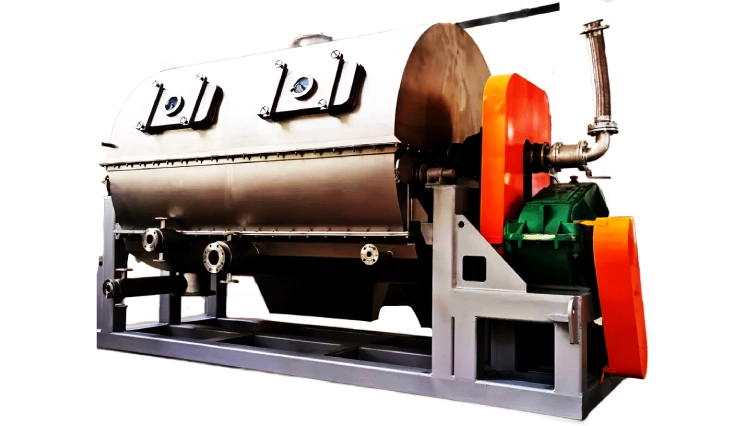
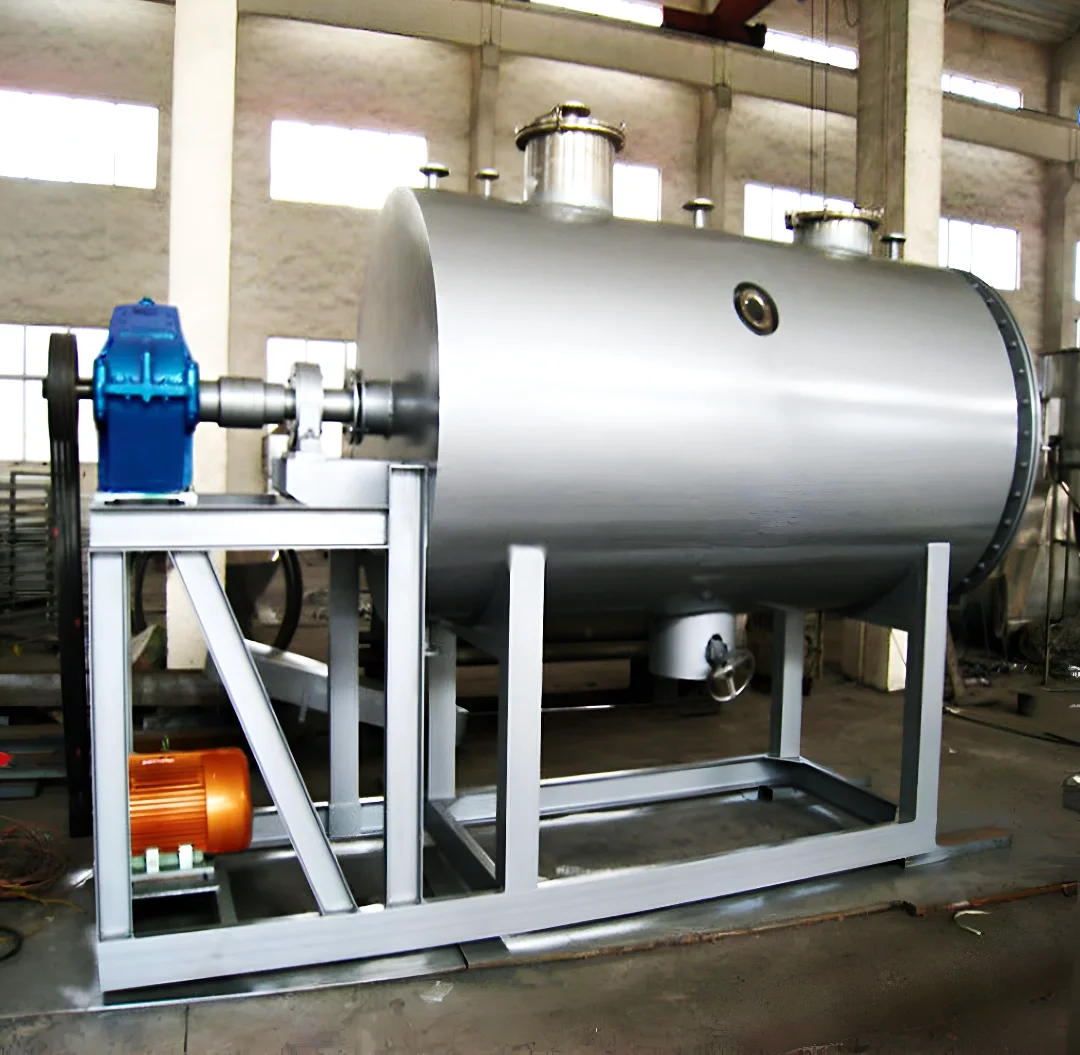
To dry monochloroacetic acid, GEM recommends the Drum Flaker. Rotary Vacuum Dryer is used when the feed or site calls for it. Every project starts with a pilot trial on your own sample.

1998established112+installations7countriesDried & Testedin-house pilot trialsCertifications · Case studies
The challenge

What makes Monochloroacetic Acid hard to dry

  • MCA is toxic by skin contact and inhalation, so the flaker must be enclosed with vapour extraction.
  • The melt is strongly corrosive to steel, demanding special alloys or coatings on drum and knife.
  • Flakes absorb atmospheric moisture quickly and stick together unless packed promptly in dry conditions.
  • Supercooling of the melt can give irregular flake thickness without careful feed and drum temperature control.
How GEM dries it

The right dryer for Monochloroacetic Acid

A cooled drum flaker solidifies a thin film of molten MCA and scrapes it off as flakes in one step, with no water to remove. A rotary vacuum dryer is used only where MCA crystals are recovered from solution and must be dried at low temperature.

Recommended dryerDrum Flaker
AlternativesRotary Vacuum Dryer
Application areaChemicals & Salts
IndustriesChemicals & Specialty Chemicals
The value

What drying Monochloroacetic Acid unlocks

Consistent flakes flow and dose reliably in CMC and agrochemical plants, while an enclosed flaker reduces operator exposure and the corrosion damage that shortens the life of open equipment.

Dried Monochloroacetic Acid becomes

  • Carboxymethyl cellulose (CMC) production
  • Herbicide and agrochemical intermediates
  • Thioglycolic acid manufacture
  • Surfactant and betaine synthesis
For buyers

Buying a Monochloroacetic Acid dryer?

Plants searching for a monochloroacetic acid flaker or comparing a MCA flaking machine usually need three answers: which dryer fits, what it costs to run, and how fast it pays back. For Monochloroacetic Acid, we start from your throughput, current moisture and the target, trial a sample on the Drum Flaker, and return a sized recommendation with a budget quotation for your chemicals operation.

FAQ

Monochloroacetic Acid: questions buyers ask

Which drum material suits monochloroacetic acid?
The drum and contact parts are selected for chloride and acid corrosion. Material choice is confirmed against your melt composition and impurity profile before quotation.
Can flake thickness be adjusted?
Yes. Feed level, drum speed and coolant temperature set flake thickness, which can be tuned to the flow and dissolution needs of your customers. Settings are recorded per grade.
Related

Related materials

Compare all 31 materials in Chemicals & Salts.

Send us a sample. See it dried.

We trial your material in our pilot facility before any equipment decision, then size the dryer from real data.

  1. Tell us the material, moisture and throughput.
  2. An engineer confirms the trial plan and sample shipping.
  3. You get drying data and a sized recommendation with a budget quotation.

Material not listed? Talk to our technical expert.

Describe it in the form, or message an engineer directly.

Request a trial or quotation

    An engineer replies within one working day. We never share your details.

    whatsapp