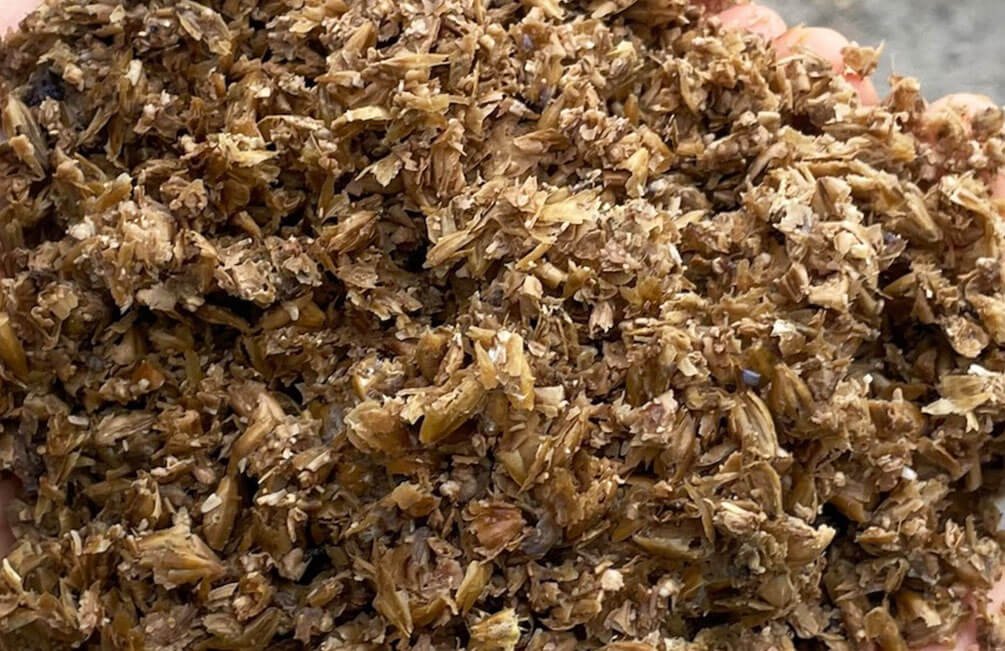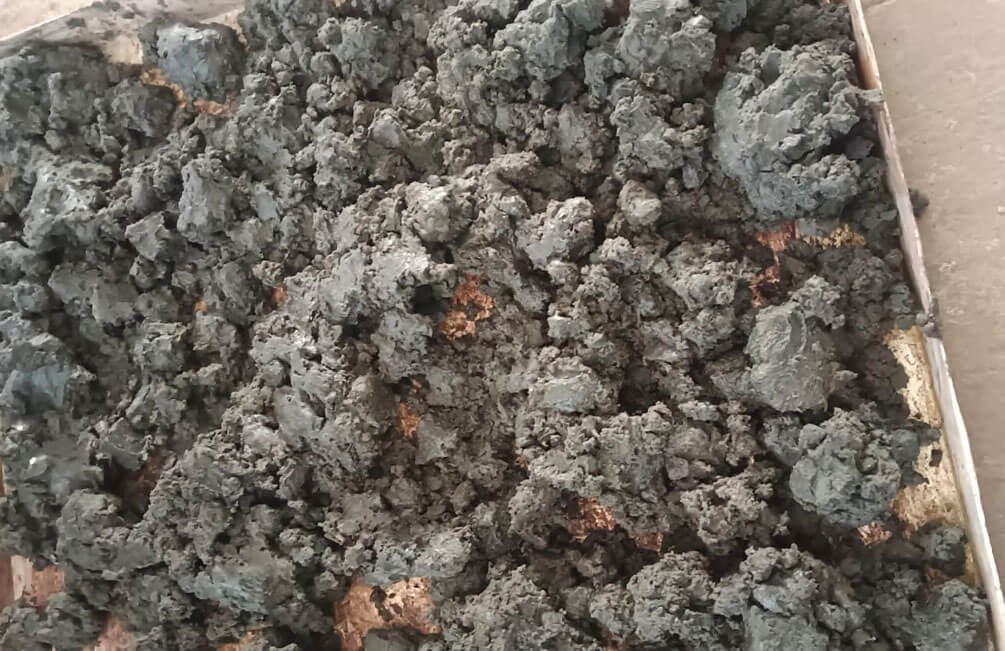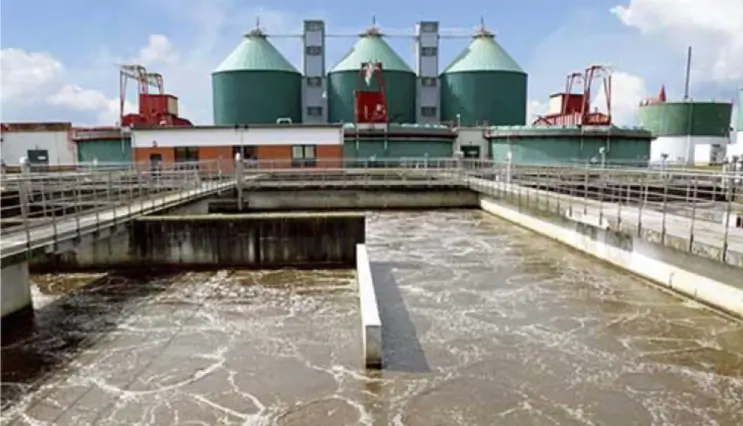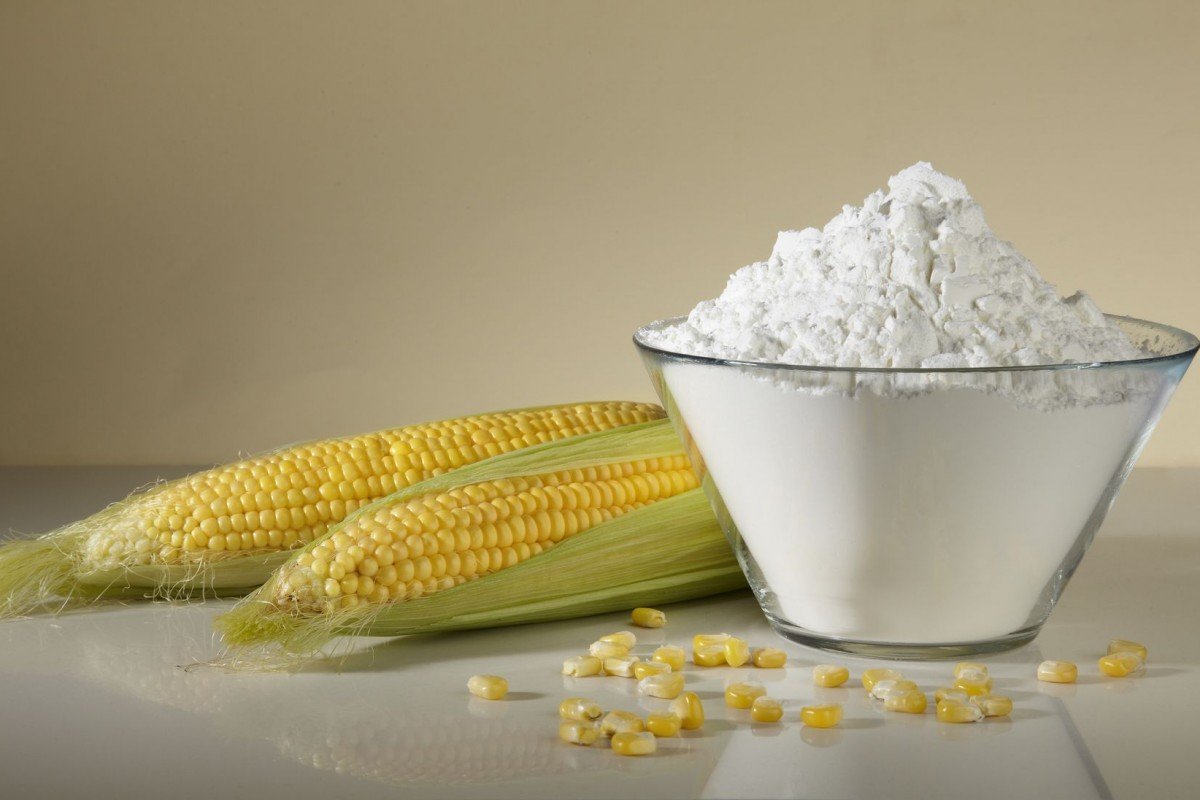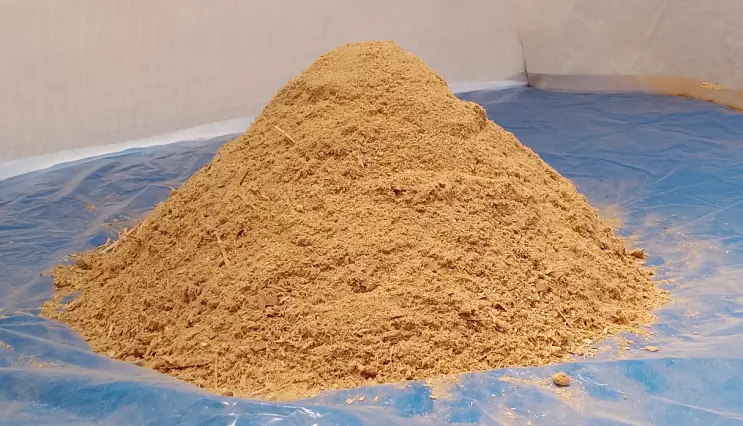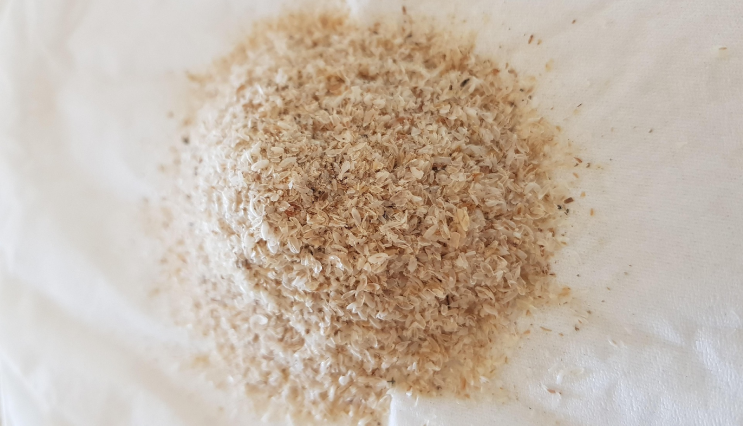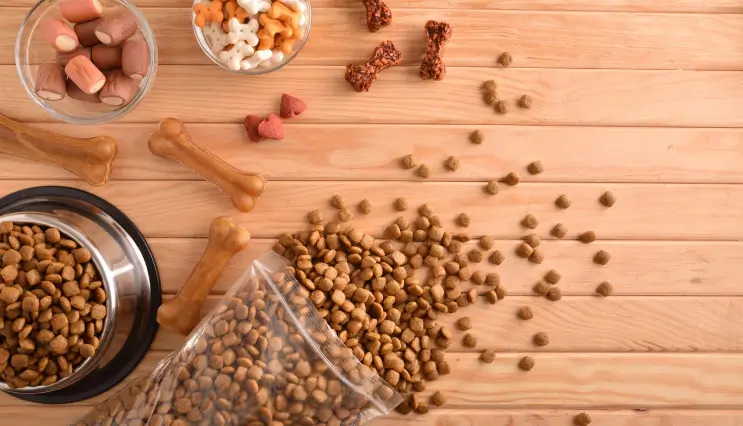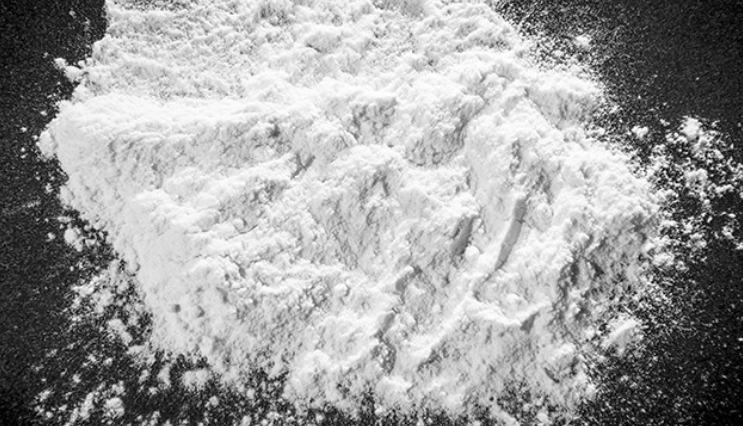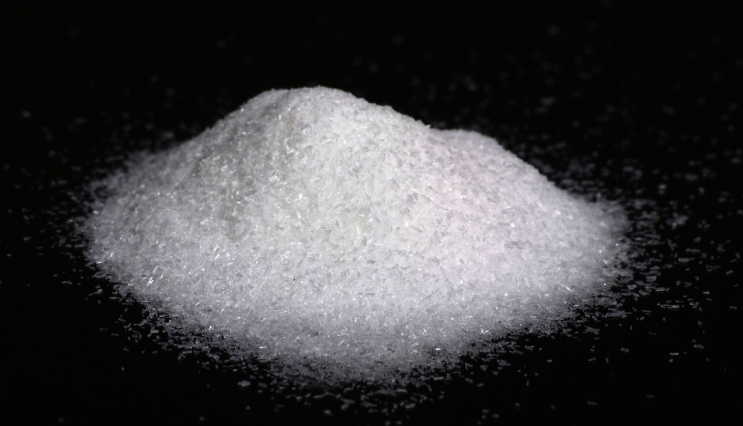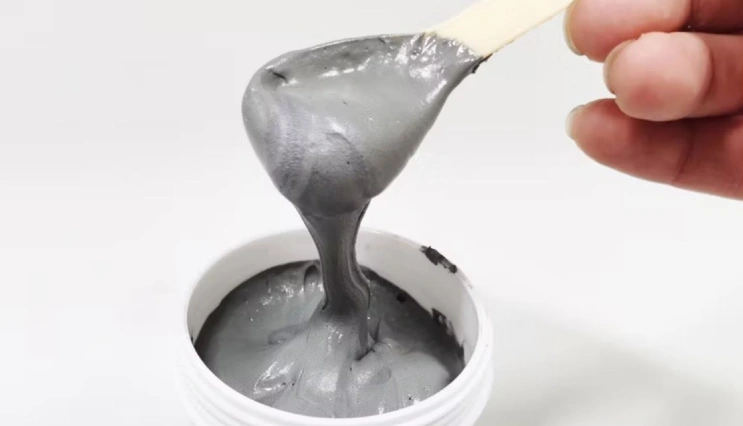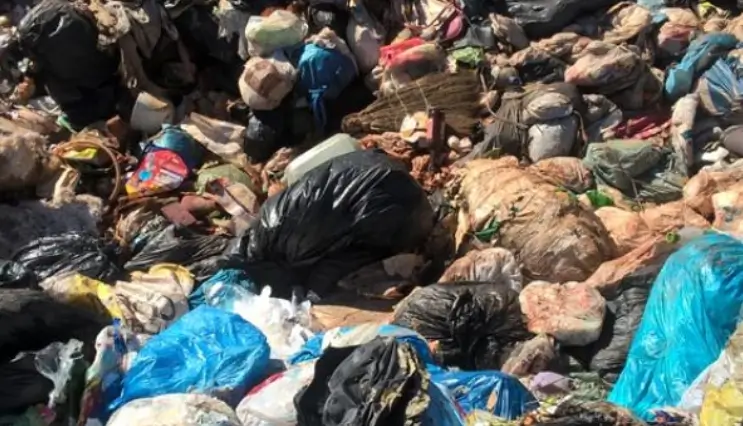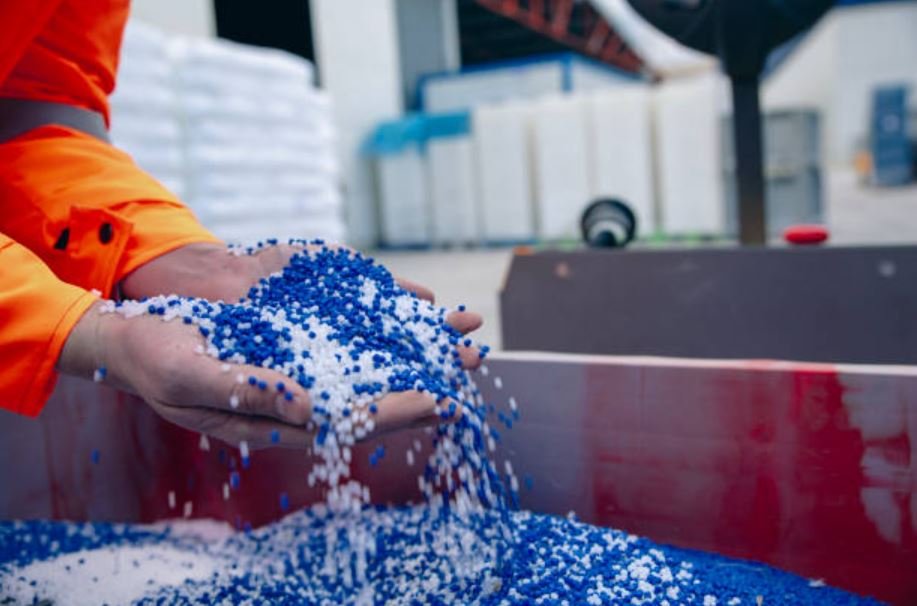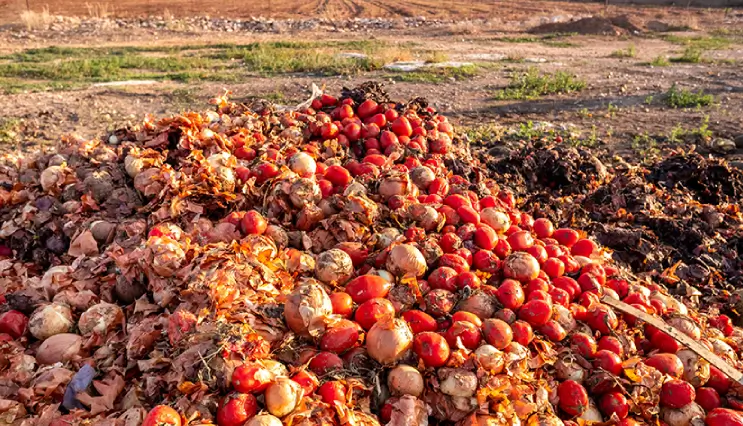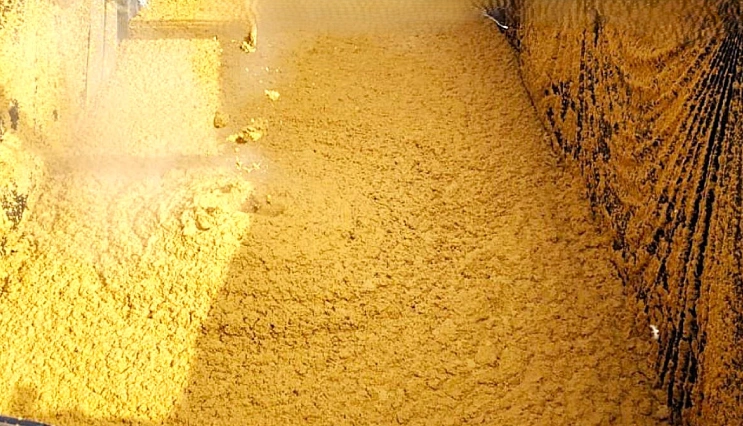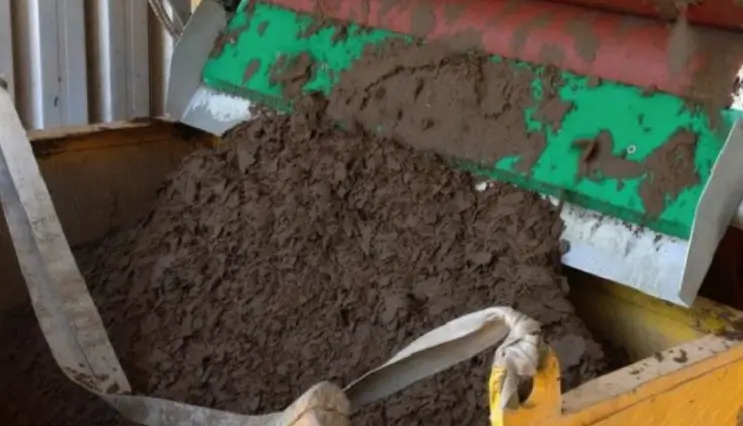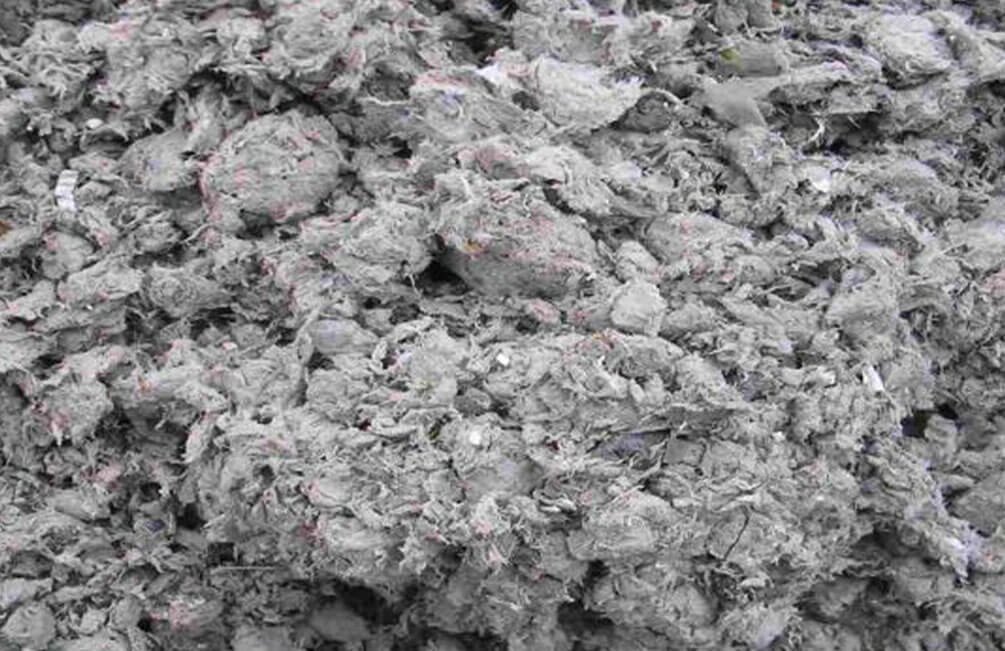
Paper mill sludge can contain fibres, fillers and treatment residues in proportions that change between mills and process streams. Feed preparation and dewatering performance influence the load on the dryer, while the final use of the material determines the required moisture and handling condition.
The assessment should consider fibre length, consistency, bulk density, ash content and behaviour as the sludge passes through sticky and dry phases. A belt dryer requires a feed layer that permits useful airflow. Feeding, spreading and discharge equipment must be selected alongside the dryer. Available waste heat, steam or other utilities can influence the heating arrangement, subject to the temperature and exhaust requirements of the material.
Share representative feed samples, wet throughput, dry solids, target moisture, operating schedule and available heat. Include analysis relevant to corrosion, odour, dust and the planned end use. Trials help assess whether preparation or conditioning is required and how the material can be handled after drying.
Explore paper, pulp and biomass by-product drying and sludge belt drying systems. Contact GEM Drytech about your mill sludge.
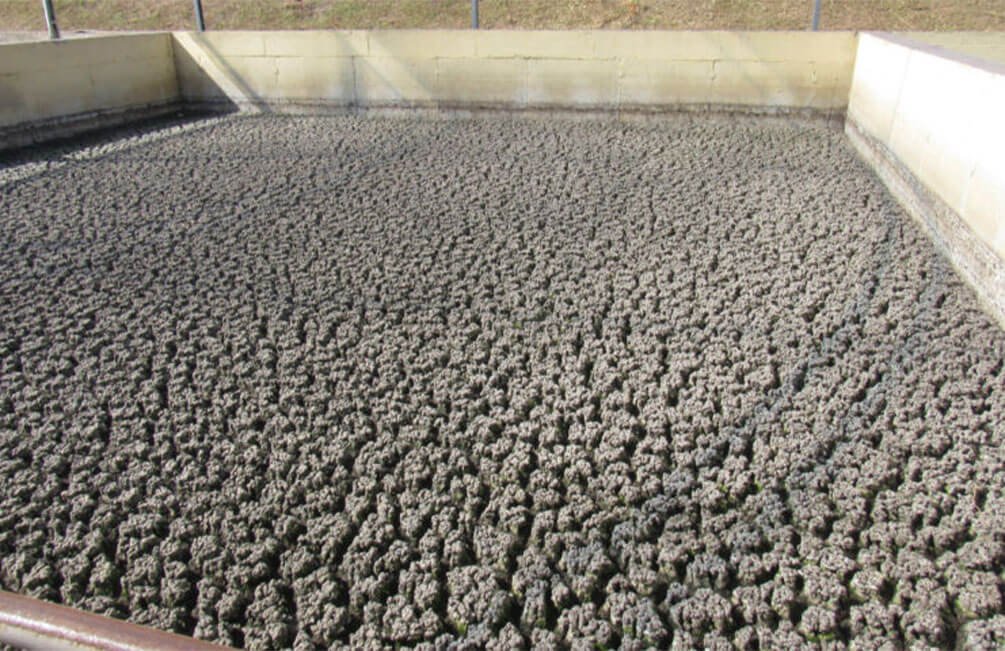
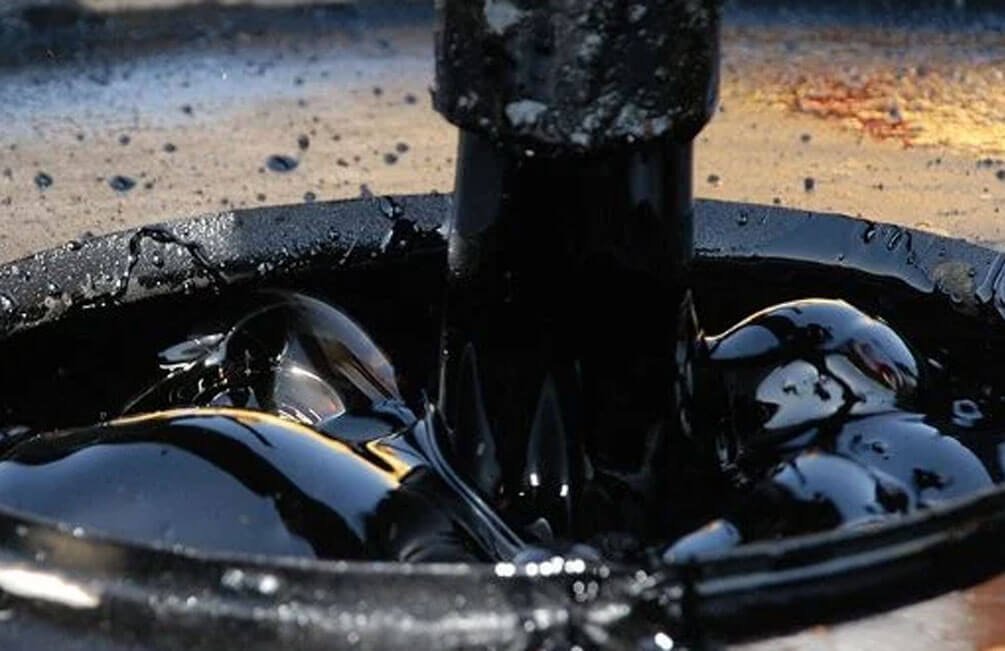
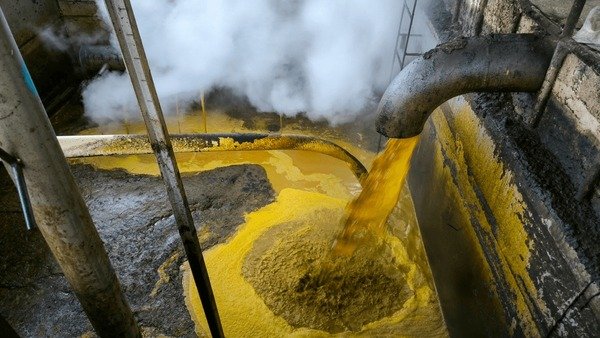
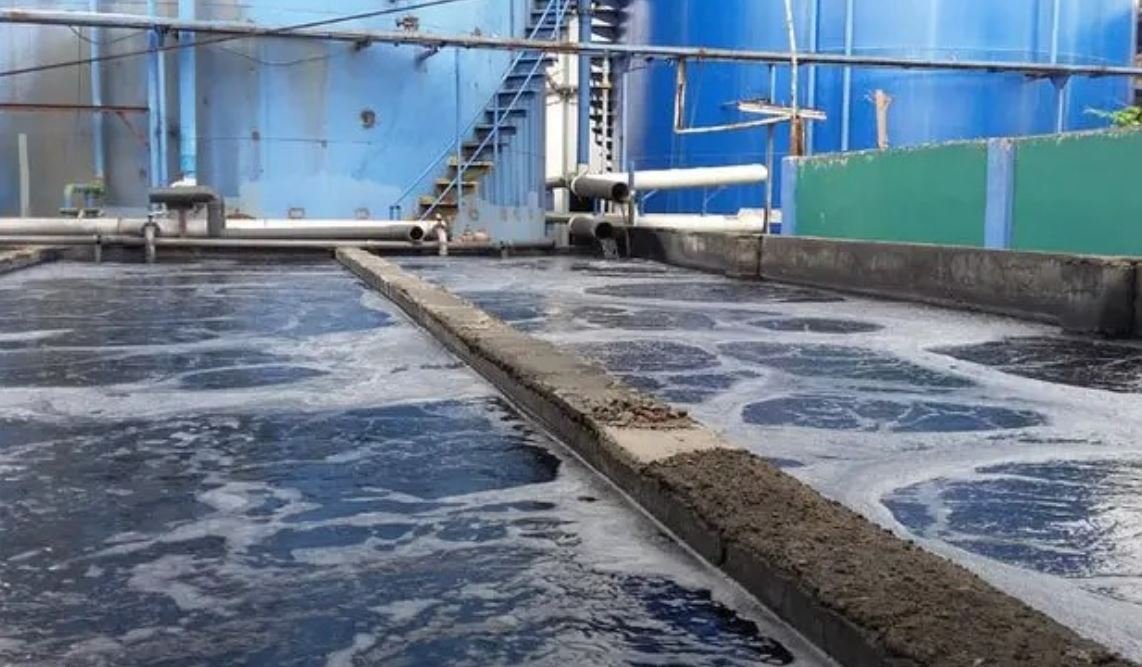
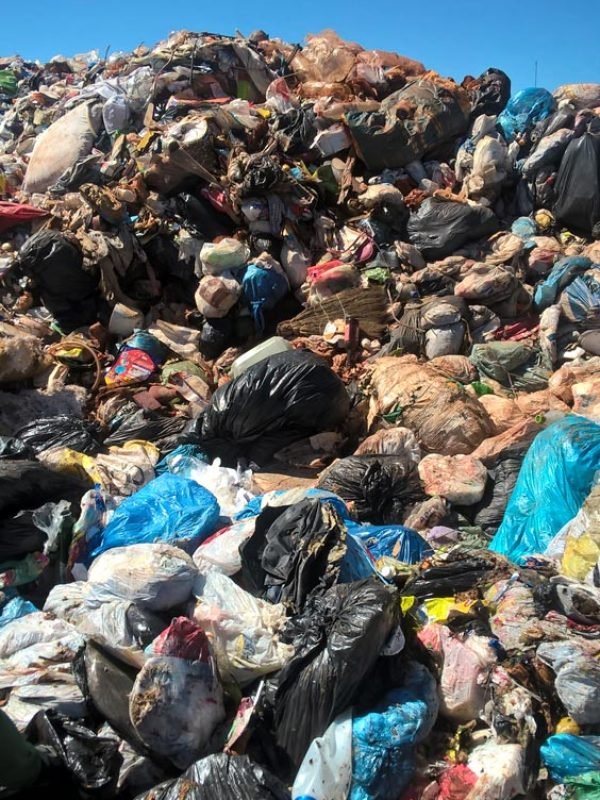
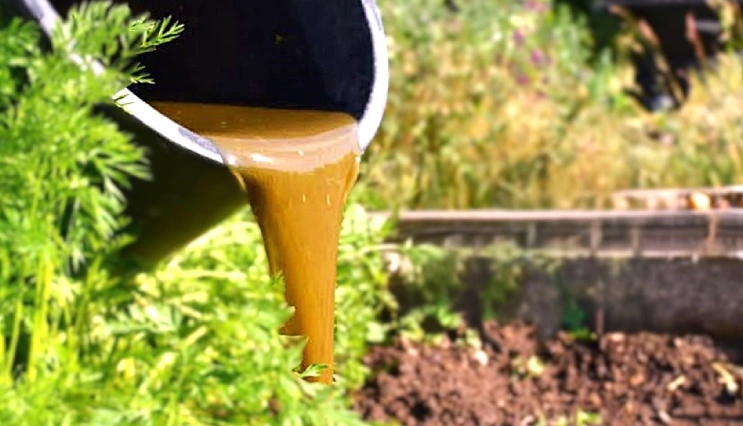
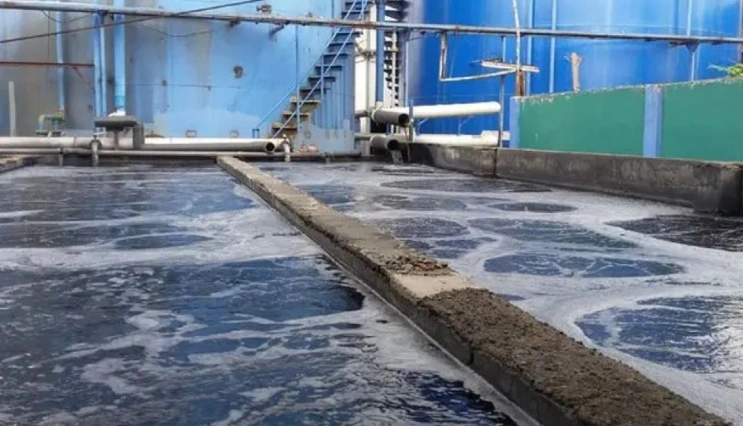
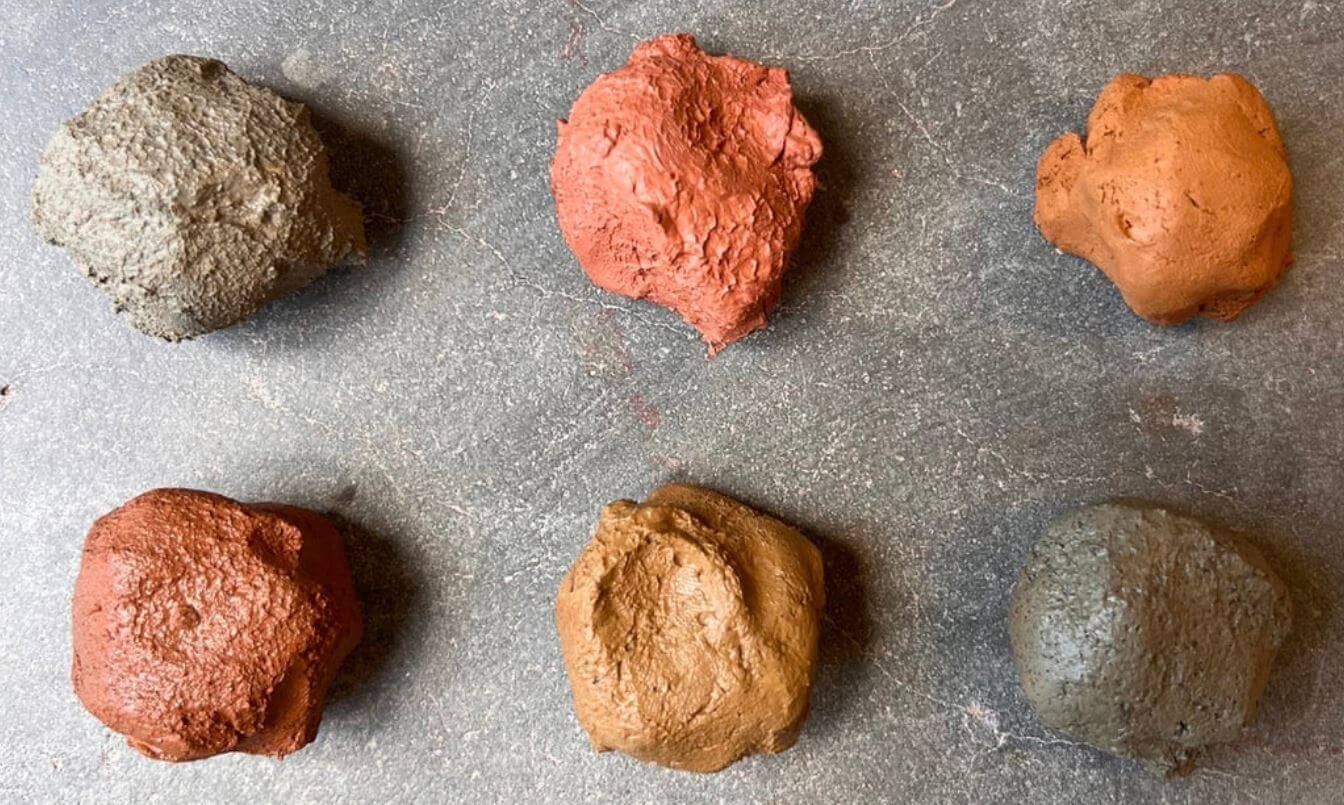
ETP sludge varies with the production process, treatment chemistry and dewatering equipment. Two sludges with the same moisture content can behave differently during feeding and drying. A useful selection study therefore starts with representative samples, dry solids content and the intended destination of the dried material.
Sticky behaviour, abrasion, salts and volatile components affect equipment selection. Belt drying may suit a prepared, permeable feed layer; other materials may need a different dryer or feed-conditioning arrangement. The project should assess odour and exhaust treatment, dust control, corrosion, cleaning access and the available heat source. Drying does not by itself establish whether a waste is suitable for fuel use or disposal.
Provide wet feed rate, inlet and target moisture with the measurement basis, sludge analysis, dewatering method and sample availability. Describe operating hours, utilities, site constraints, emission requirements and the planned handling of the dry product. Trials can help establish feed behaviour and an appropriate operating range.
See sludge and biosolids belt drying and our gelatin filter-press sludge case study. Discuss your ETP sludge application.
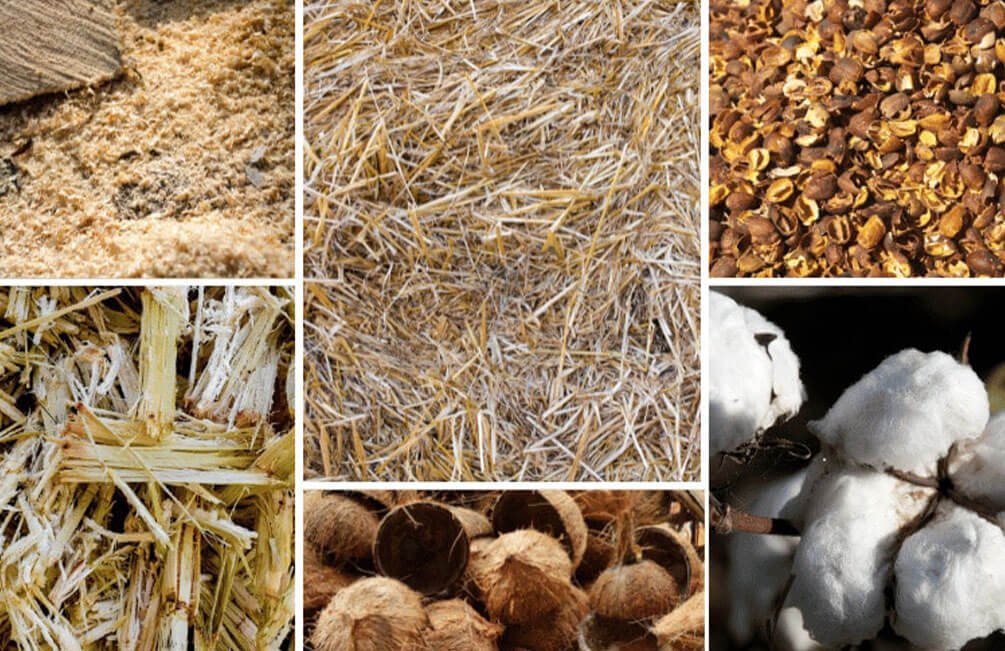
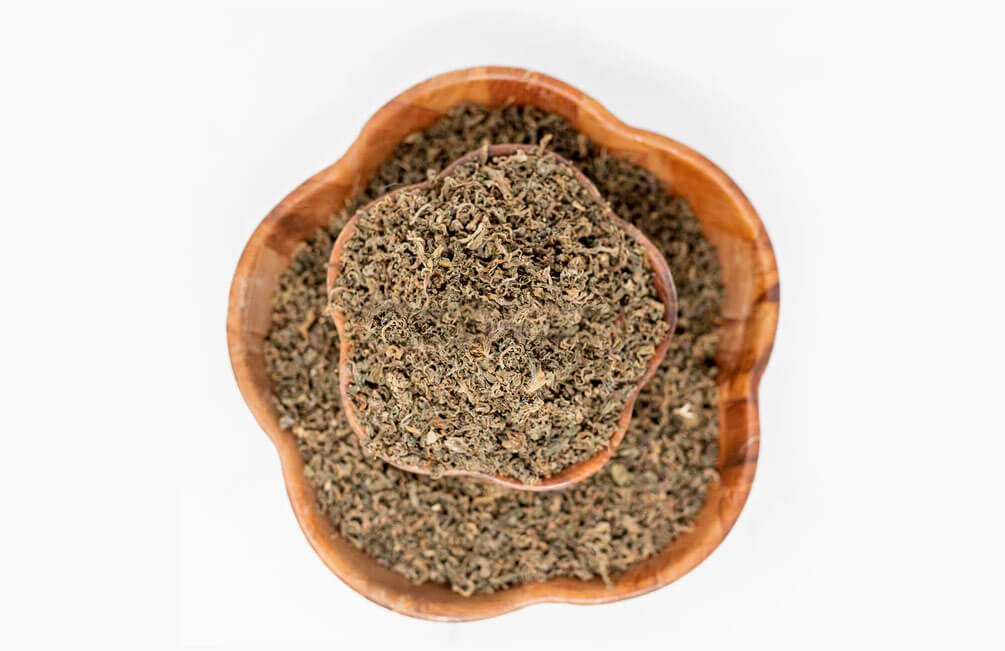
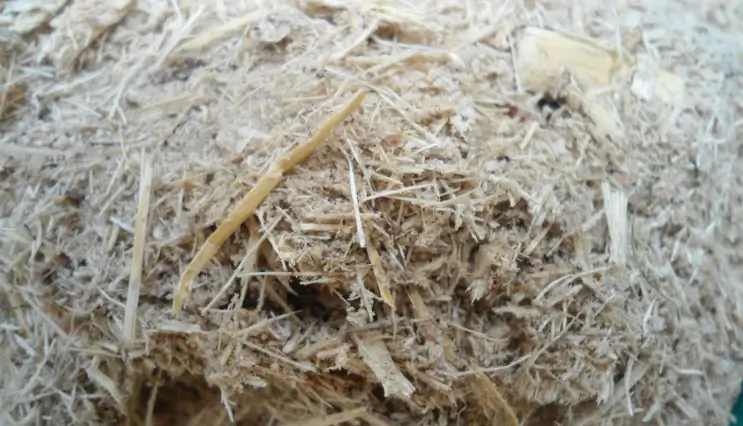
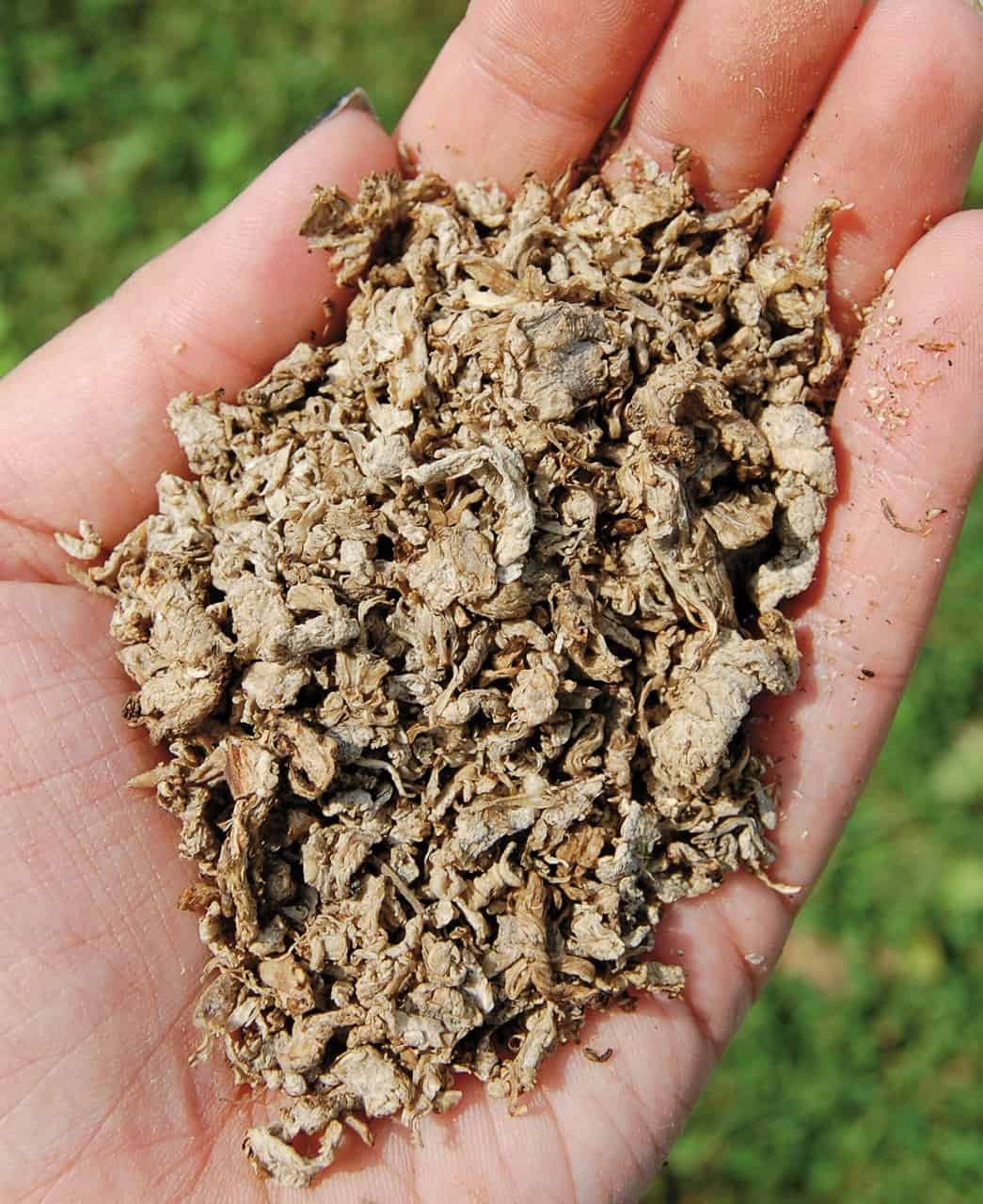
Biomass drying prepares a variable natural feed for a defined downstream process. Sawdust, chopped residues and other biomass materials differ in particle size, bulk density and moisture distribution. Equipment selection should use representative feed data and the moisture range that the next process can accept.
Screening, size reduction and consistent distribution can be as important as the dryer itself. Belt drying is one option for a suitable feed layer; the final choice depends on throughput, particle behaviour, available space and the heat source. Air handling, fines collection and fire and dust risks must be assessed for the actual material and operating conditions.
Provide the biomass type, particle-size range, wet feed rate, bulk density, inlet and target moisture on a stated basis, and expected seasonal variation. Include utility temperatures, operating hours, storage arrangements and the intended use of the dried product. These details allow a meaningful comparison of drying concepts and a decision on whether trials are needed.
Explore biomass and agricultural-residue belt drying and our 3,000 kg/hour sawdust drying case study. Discuss your biomass project.
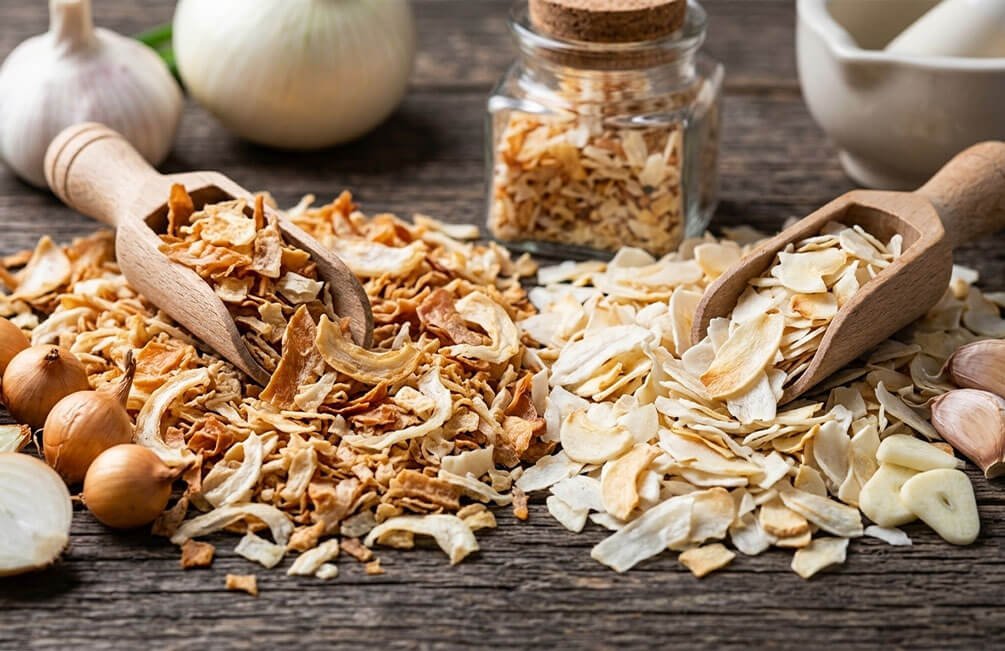
Onion and garlic drying must balance moisture removal with the colour, flavour and handling characteristics required by the finished ingredient. Slice thickness, incoming moisture and the consistency of the prepared feed influence residence time and the uniformity of drying. Final settings should be established through product trials and the customer’s quality specification.
A continuous belt or band dryer can provide controlled residence time for a prepared layer of flakes. Feed distribution, bed depth, airflow and the heating method should be evaluated together. The selected arrangement must also account for cleaning access, food-contact materials and the handling of fines. Drying alone should not be assumed to provide a validated food-safety treatment.
Share the onion or garlic variety, preparation method, particle dimensions, inlet and target moisture on a stated basis, wet feed rate, operating hours and available utilities. Include limits on product temperature, colour change and breakage, together with cleaning and hygiene requirements.
Explore belt and band drying for food and feed ingredients, or send your application details to GEM Drytech.
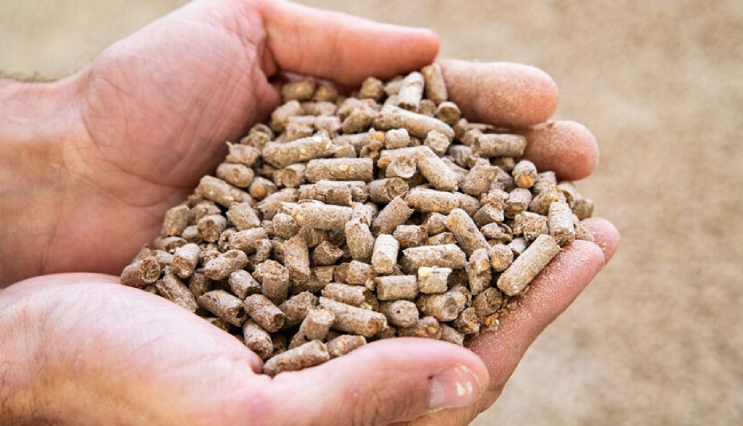
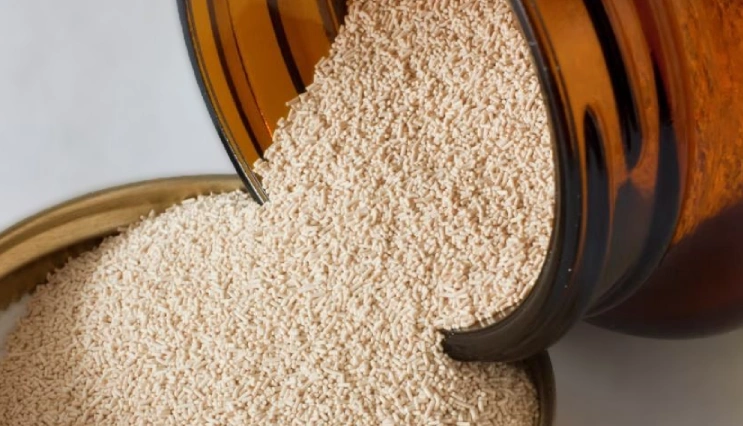
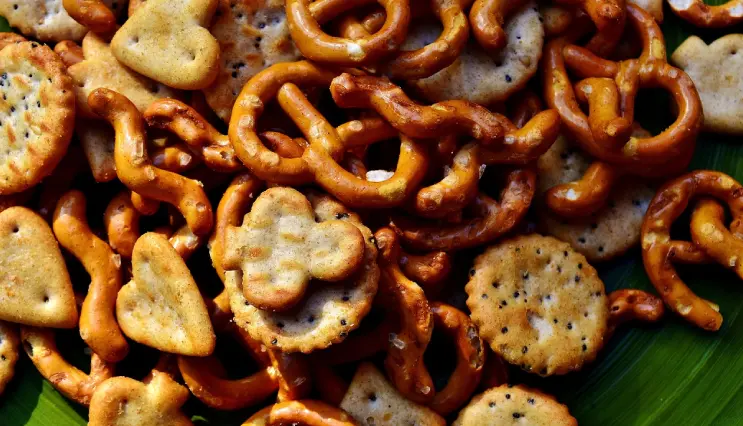
Prepared feeds need a drying process matched to their physical form and downstream handling. Pellets, granules and other formed feeds can have different requirements for residence time, product temperature and mechanical handling. Inlet moisture consistency and feed distribution influence the final moisture variation.
Dryer selection should consider particle strength, breakage, fines generation and the required final handling condition. Airflow and layer depth must be evaluated together for belt drying. The process may also need cooling before storage or packing, depending on the product and the rest of the production line.
Share the feed formulation category, physical dimensions, wet throughput, moisture specification and allowable product temperature. Include bulk density, strength or breakage limits, cleaning requirements and available heat. A representative sample and a description of the upstream forming and downstream packing processes help define the trial and equipment scope.
See belt and band systems for food and feed and ingredient drying considerations. Discuss your prepared-feed drying line.
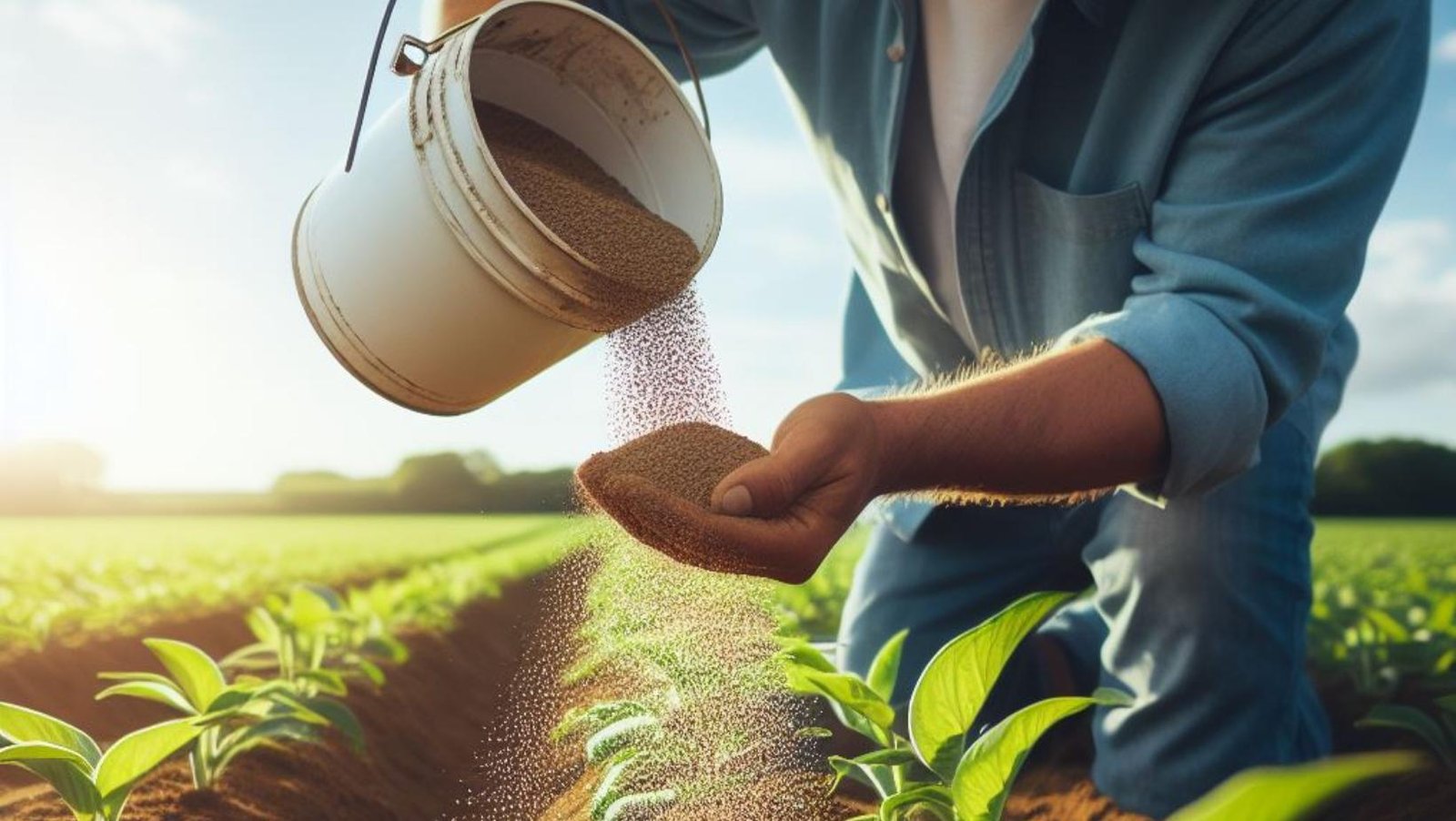
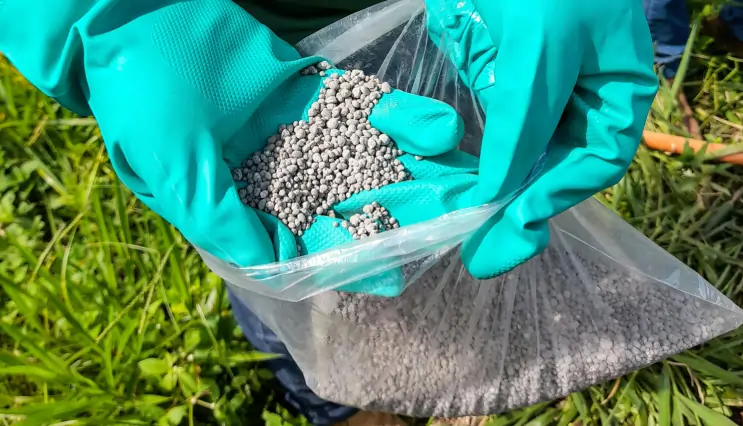
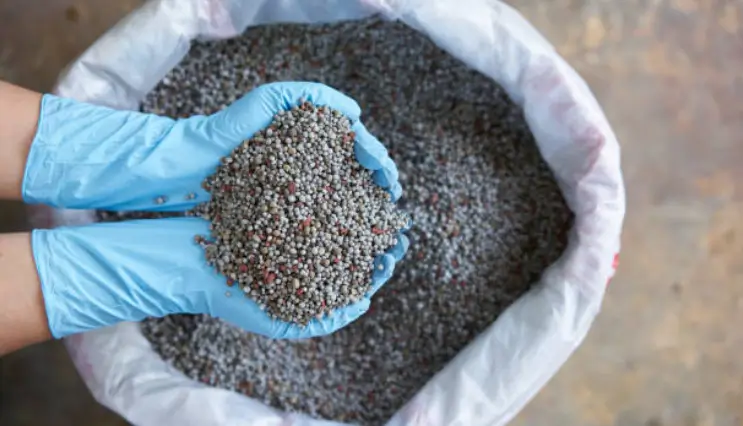
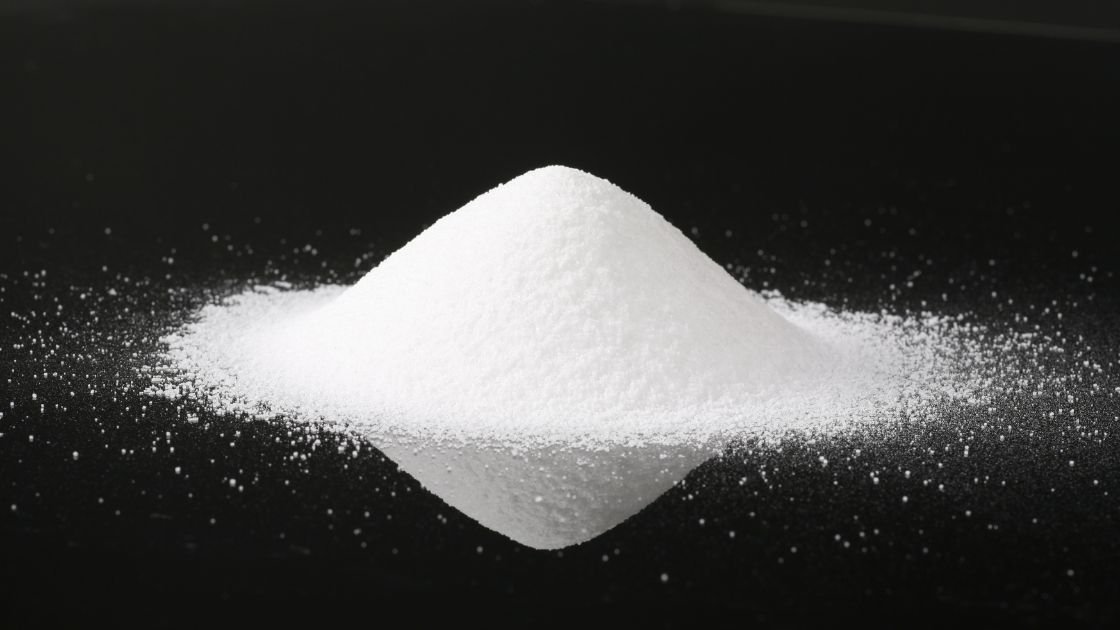
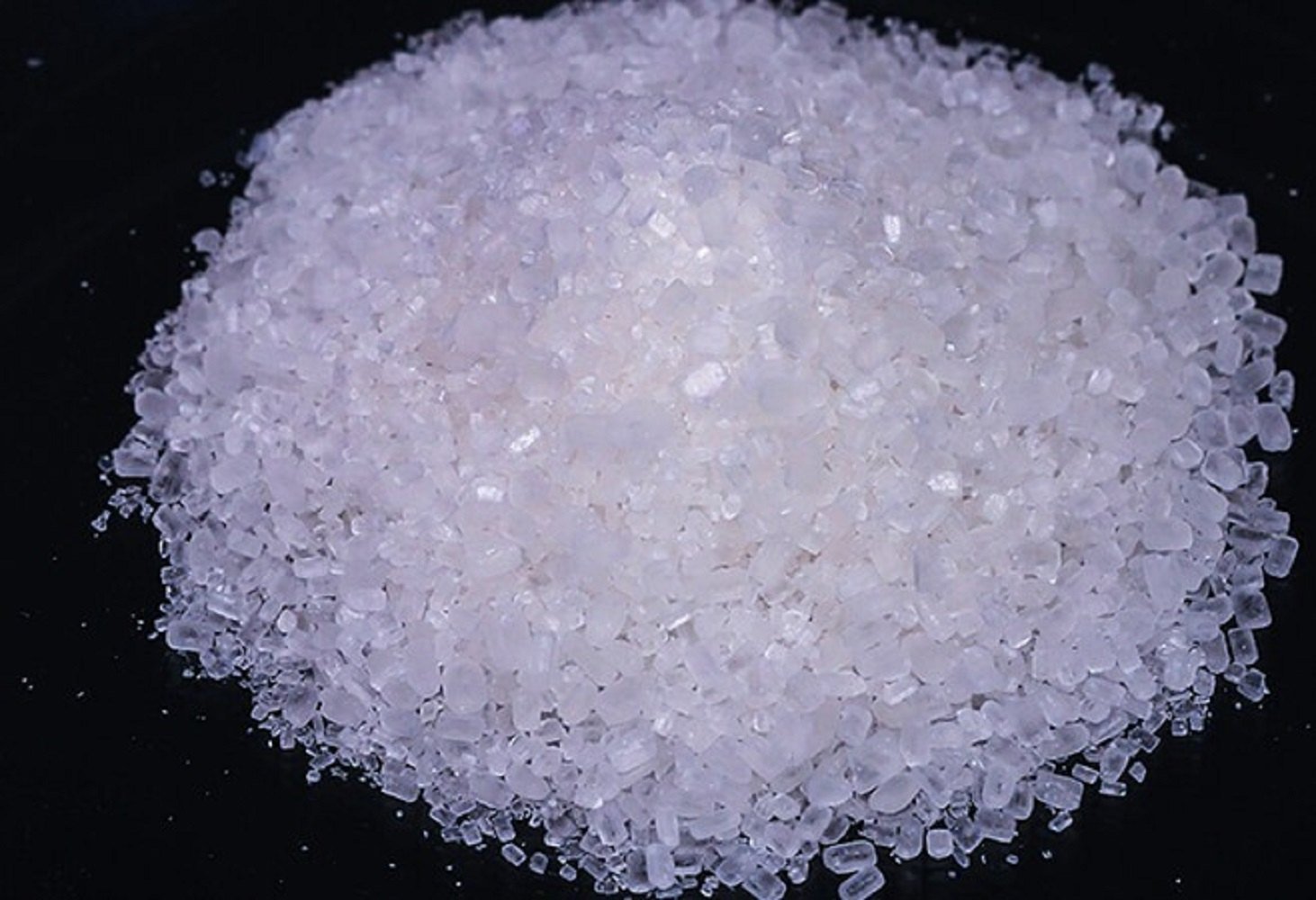
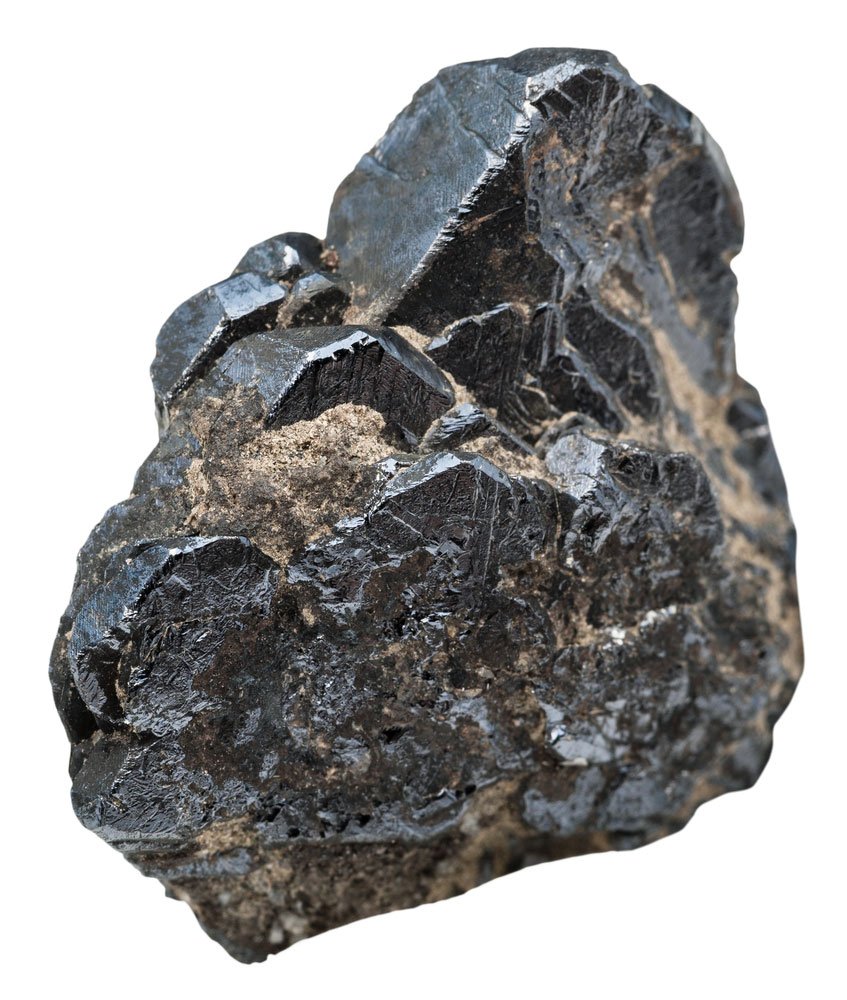
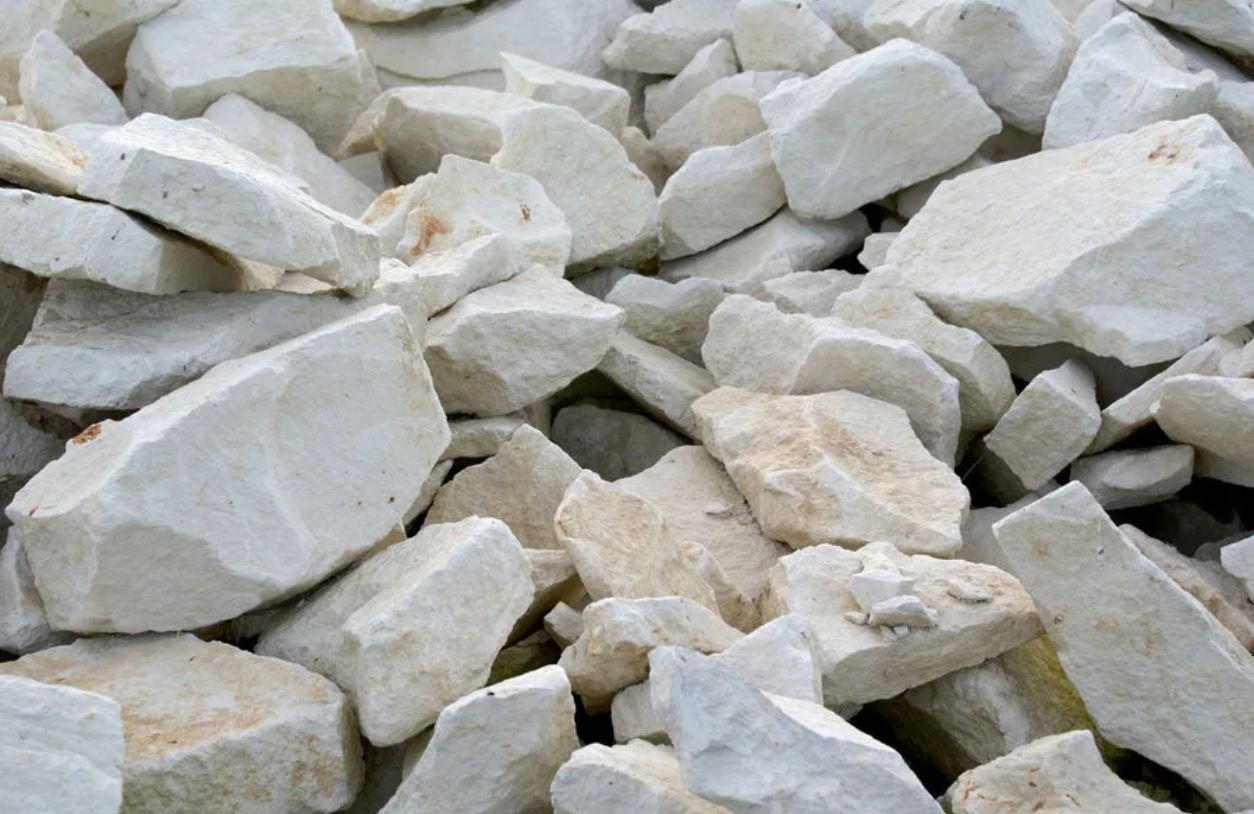
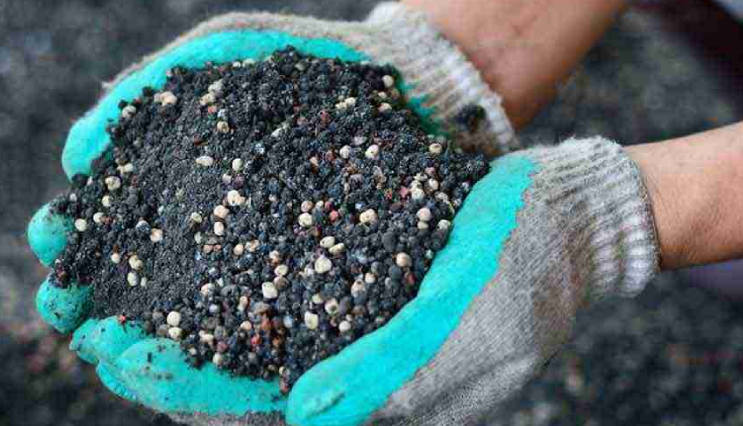
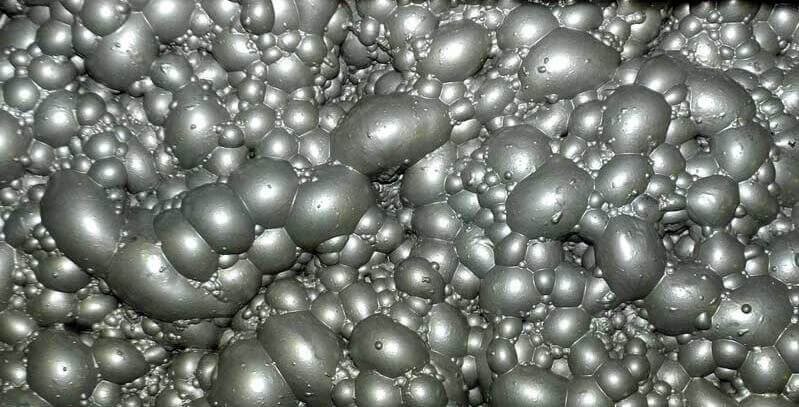
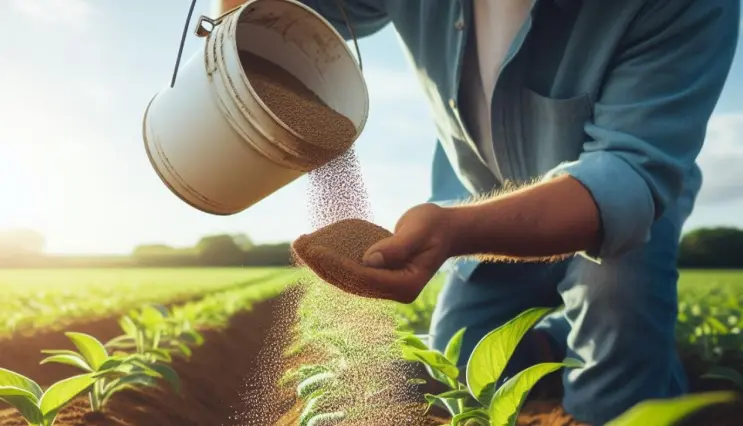
This application page covers fertilizer materials and links to the direct and indirect rotary dryer option shown below. For equipment selection across the wider sector, see our fertilizer industry page.
Use our dryer questionnaire to prepare your enquiry, or contact GEM Drytech to discuss your project. The appropriate dryer and process configuration must be evaluated for the specific material.
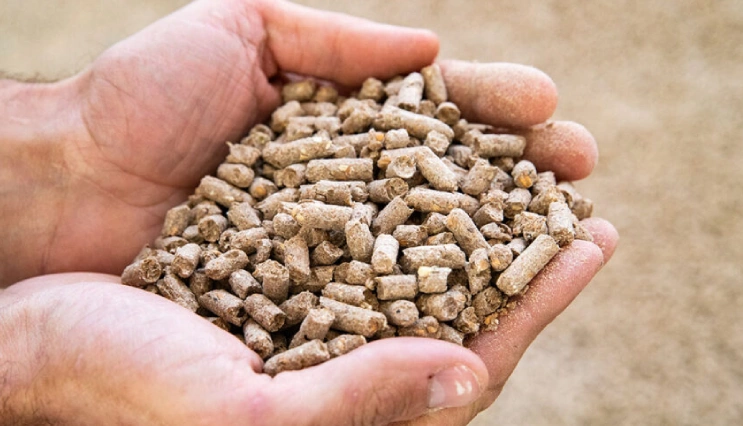
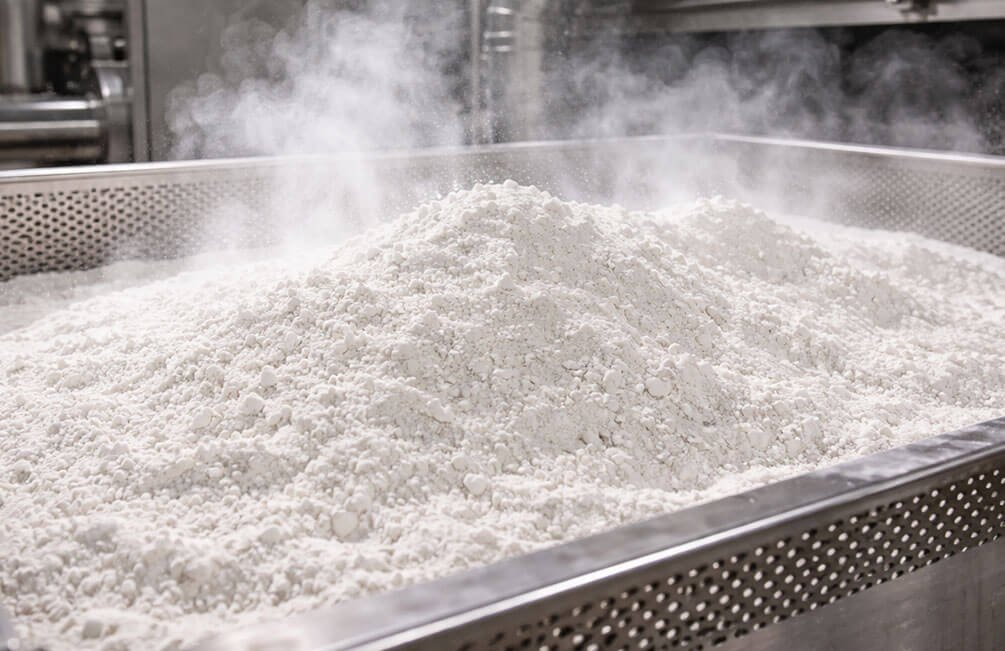
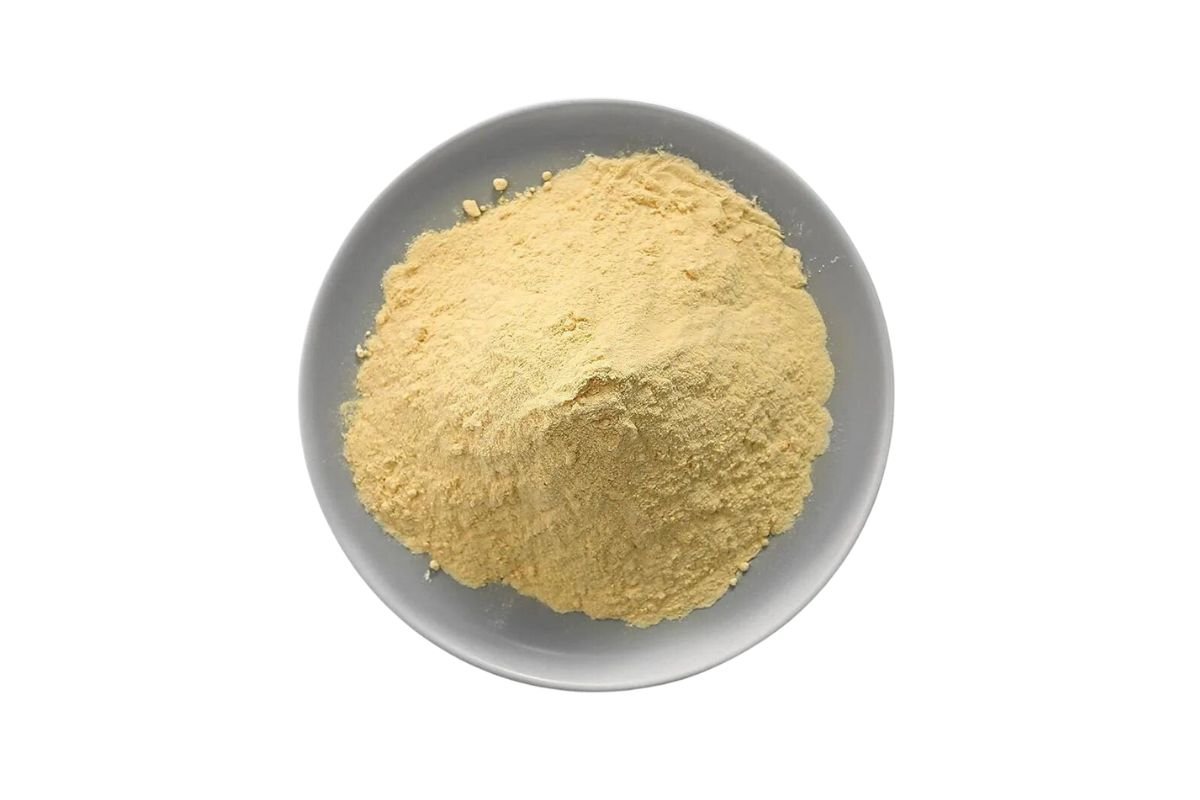
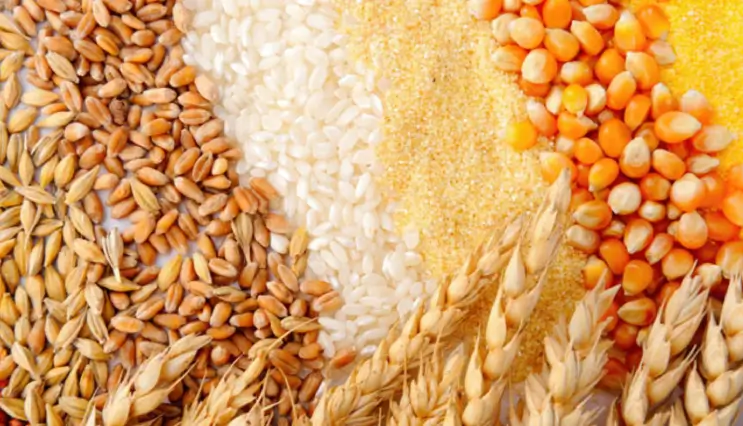
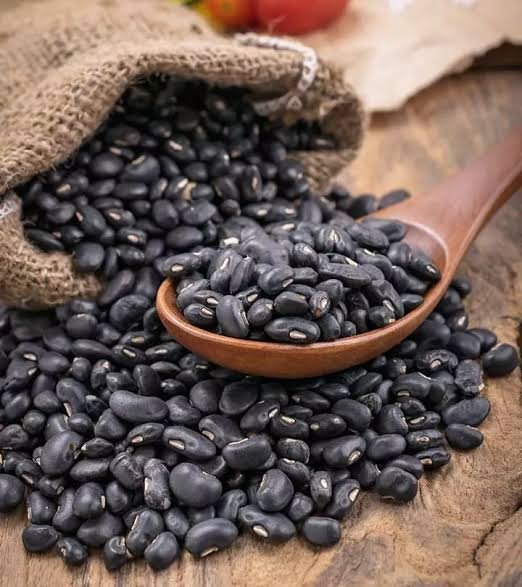
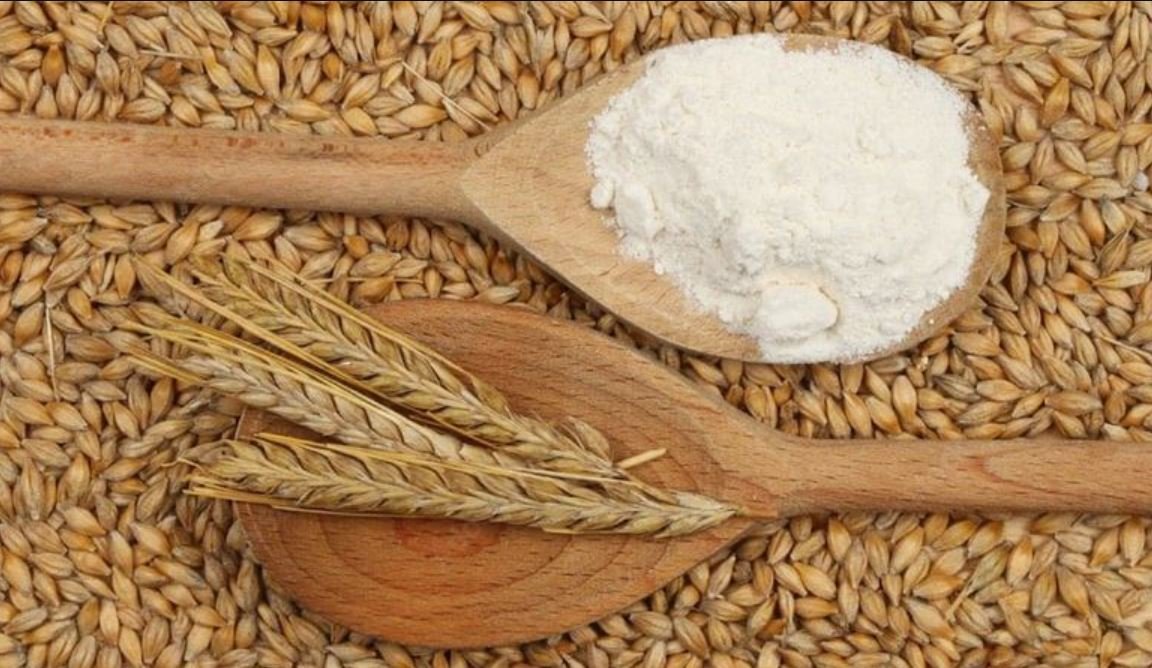
Feed-ingredient drying should be specified around the incoming material and its use in the final formulation. Moisture removal can change flowability, particle strength and handling behaviour. The required drying conditions depend on ingredient composition, preparation and the customer’s quality limits.
Discuss the sensitivity of the material to temperature and residence time, the acceptable level of fines, and the required cleaning regime. Feed distribution, airflow and discharge handling need to suit the product. A belt or band dryer may be appropriate for a prepared feed layer, while other dryer types can be considered for different physical forms.
Provide ingredient composition, particle dimensions, wet throughput, inlet and target moisture, bulk density and available utilities. Include hygiene requirements, operating hours and any product temperature or quality limits. Representative trials can help establish the operating window; drying should not be treated as a validated pathogen-reduction step without specific validation.
Explore food and feed ingredient belt drying or send your feed-ingredient requirements.