A waste sludge drying enquiry should begin by identifying where the sludge comes from and what the dried solids must achieve. Municipal biosolids, industrial treatment sludge and a chemical process residue are different project descriptions. This page provides the initial material checklist and links to the more specific application routes.
Describe the plant, the process generating the sludge and any treatment or separation already applied. Supply composition information, relevant safety data and observations about odour, sticking, lumps or grit. State whether the feed is pumped, conveyed or handled as a dewatered cake, including seasonal or production-related changes.
For plant interfaces, see industrial sludge integration. For a chemical process residue, use chemical sludge assessment. Municipal projects can start with the sludge and biosolids belt-drying overview.
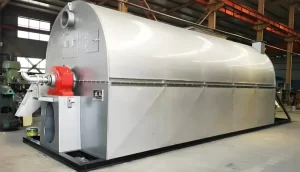
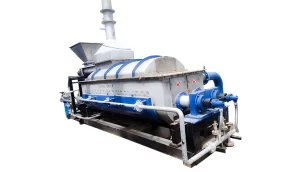
The catalogue cards below include tube-bundle, direct/indirect rotary and paddle dryer references. They require assessment against the actual material rather than a single setting for all waste sludge. Send your data through the technical enquiry form; discuss representative pilot testing where handling or drying response is uncertain.