An industrial sludge project must fit the plant’s treatment and solids-handling line. This application focuses on interfaces: how the feed reaches the dryer, how variable it is, and where the dried material and exhaust go. For initial stream identification, use the waste sludge enquiry checklist.
Identify the industrial operation and the stage producing the sludge. Explain upstream thickening, filtration or dewatering, the discharge schedule and any intermediate storage. State whether the dryer receives a continuous feed or intermittent batches, and describe how the material changes during production, cleaning or shutdowns.
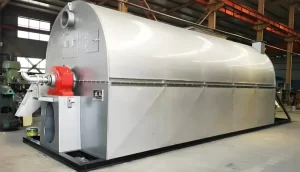
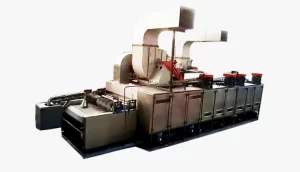
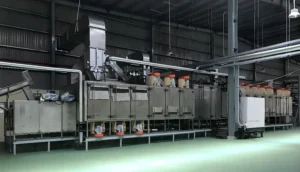
The equipment cards link to rotary tube bundle dryers, a single pass conveyor dryer and a band dryer. These are references for discussion; suitability depends on the sludge, product requirement and site constraints.
For effluent-treatment sludge from chemical production, refer to chemical ETP sludge. Share the process diagram and project data through the enquiry form. A pilot trial can help confirm material behaviour before equipment duty and plant interfaces are agreed.