Chemical process sludge should be defined by its composition and source rather than its appearance alone. Identify whether the material is a process residue, a separated solid or sludge from wastewater treatment. The latter has a separate chemical ETP sludge application; this page provides the broader chemical-material assessment.
Provide the known composition, liquid to be removed and relevant safety data. Describe upstream processing, filtration or washing, and any variation in contaminants or feed condition. State temperature limits and the required final moisture or residual-liquid specification, including restrictions on product contamination or changes in material properties.
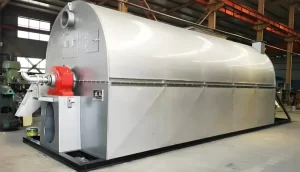
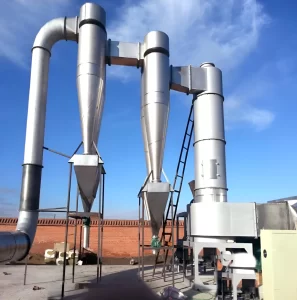
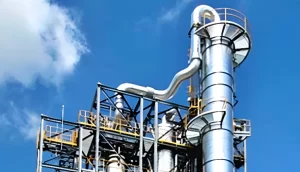
This catalogue entry includes tube-bundle, direct/indirect rotary, spin flash and agitated thin film equipment references. Their different feed and process requirements must be assessed individually; the page does not establish that each option suits every chemical sludge.
For the drum-drying assessment of chemical or pharmaceutical ETP residuals, see the specific ETP process page. Send the material specification through the technical enquiry form and discuss suitable pilot testing before agreeing equipment and operating conditions.