Drying crystalline solids requires a clear description of the substance, the liquid to be removed and the properties the finished crystals must retain. A water-wet filter cake and a solvent-wet crystalline product should not be treated as the same duty. Supply the material identity and safety data with the enquiry.
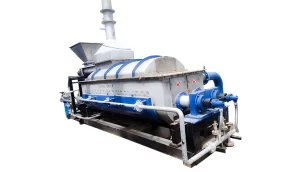
The paddle dryer associated with this application is a catalogue reference for technical assessment. Suitability depends on the material’s response to heating and agitation, its tendency to adhere or agglomerate, and the required crystal quality. Materials of construction and sealing requirements also need to be agreed for the specific substance.
Describe upstream filtration or separation, how the wet solids are fed and discharged, and any requirements for vapour recovery or exhaust treatment. Include available utilities and the operating schedule. The required capacity cannot be established from the label “crystalline solids” alone.
Send the specification through the technical enquiry form. When drying behaviour, crystal damage or residual liquid limits need confirmation, discuss suitable testing and a pilot trial before finalising the equipment and operating basis.