Wastewater & Environmental

Industry

Drying Solutions for Wastewater & Environmental

Wastewater and environmental operators handle sewage sludge, biosolids, digestate, ETP and industrial sludge, oily residues and ZLD concentrates. Most of it leaves the dewatering press as a wet cake that is largely water, and disposal is charged by the wet tonne. Drying shrinks that tonnage, stabilises the residue and opens fuel or reuse outlets. GEM matches each sludge to a mesh belt, paddle or thin film dryer after a pilot trial on your cake.

Quick answer

For wastewater & environmental, GEM dries 24 materials across 5 application areas. The dryers specified most often are the Paddle Dryer, Mesh Belt Dryer (Meshotherm) and Agitated Thin Film Dryer, chosen per material after a pilot trial.

1998established112+installations7countriesDried & Testedin-house pilot trialsCertifications · Case studies
The pressure

Why wastewater & environmental plants invest in drying

  • Haulage and landfill fees for dewatered cake keep rising because every truckload still carries three to four parts water per part of solids.
  • Pollution control boards and landfill operators are tightening rules on wet sludge, forcing plants to find stable, lower-volume disposal routes.
  • Sticky cake in the glue phase smears and stalls conventional dryers, and odour from heated sludge draws complaints from neighbours.
  • Zero liquid discharge systems produce reject concentrates and salts that evaporators alone cannot bring to a dry, disposable solid.
Equipment

Dryers behind these applications

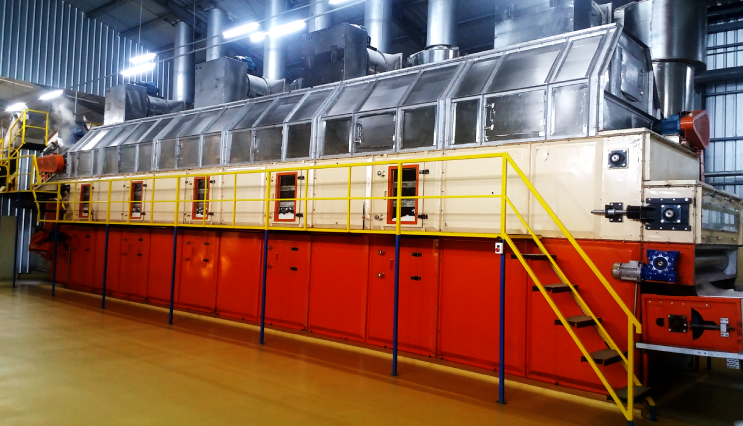
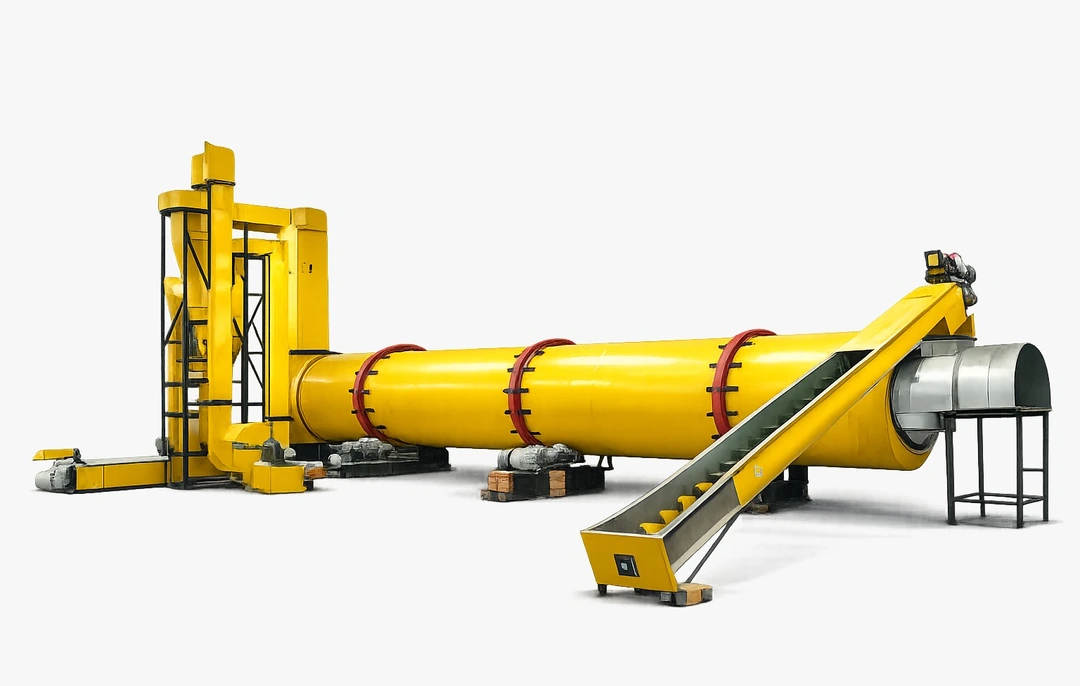
Each material page names the recommended dryer and the alternatives. The machines below are the ones specified most often across the 24 materials for this industry.

Why GEM

How we work with wastewater & environmental plants

Pilot trials on your cake

Sludge behaviour varies with polymer dose, digestion and source. We dry a sample of your actual cake at our Dried & Tested facility before sizing the dryer, so drying rates are measured rather than assumed.

Sealed indirect options

Oily, hazardous and solvent-bearing sludges can be dried in enclosed paddle or thin film dryers, keeping vapours contained and routing exhaust to condensation or treatment.

Low-temperature belt drying

Extruded municipal sludge dried on a Meshotherm belt runs at moderate air temperatures, which allows recovered heat from engines, boilers or flue gas to carry much of the load.

FAQ

Wastewater & Environmental: questions buyers ask

Which dryer suits dewatered sewage or ETP sludge?
It depends on the cake. Municipal sludge that extrudes well often suits a mesh belt dryer, while sticky industrial or ETP sludge usually suits an indirect paddle dryer. A pilot trial on your sample settles the choice before you commit to equipment.
Can ZLD reject and evaporator concentrate be dried to powder?
Yes. An agitated thin film dryer takes concentrated liquid or slurry and discharges a dry powder or flake in a single pass. Feed concentration, salt chemistry and target moisture are confirmed during trials so the dryer can be sized correctly.
How much weight does sludge drying remove?
Taking a typical dewatered cake at 20 to 25 percent solids up to a dried product near 85 to 90 percent solids removes roughly three quarters of its mass. Exact figures depend on your inlet and target moisture.

Send us a sample. See it dried.

We trial your material in our pilot facility before any equipment decision, then size the dryer from real data.

  1. Tell us the material, moisture and throughput.
  2. An engineer confirms the trial plan and sample shipping.
  3. You get drying data and a sized recommendation with a budget quotation.

Material not listed? Talk to our technical expert.

Describe it in the form, or message an engineer directly.

Request a trial or quotation

    An engineer replies within one working day. We never share your details.

    No related products found for this application.

    whatsapp