Minerals, Mining & Ceramics

Industry

Drying Solutions for Minerals, Mining & Ceramics

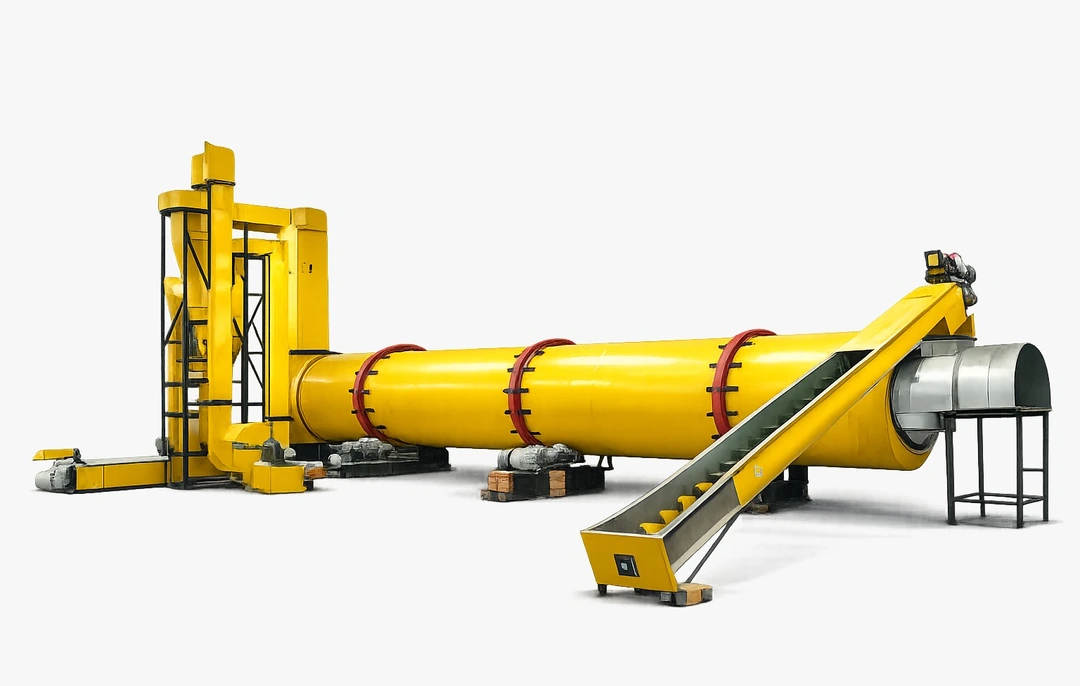
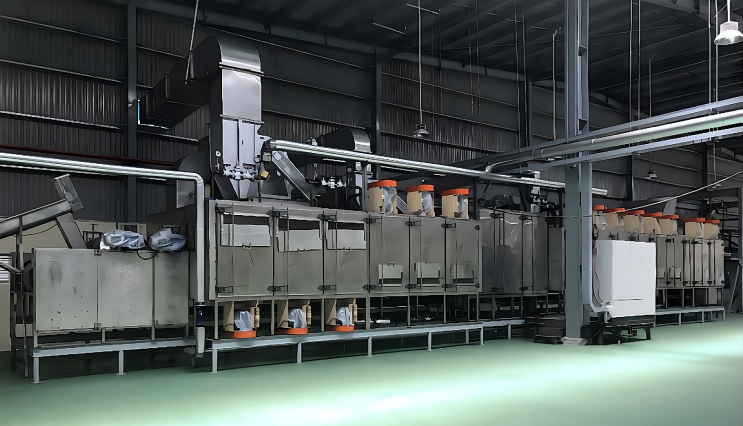
Mining, mineral and ceramic producers dry clay, kaolin, bentonite, limestone, silica and foundry sand, gypsum, ore fines, flotation concentrates, coal and battery materials. Moisture affects freight cost, smelter acceptance, milling efficiency and how powders flow and press. These materials are abrasive, heavy and often dusty. GEM supplies rotary, cascade, flash and paddle dryers to suit coarse lumps, fine powders and sticky concentrates alike.

Quick answer

For minerals, mining & ceramics, GEM dries 29 materials across 5 application areas. The dryers specified most often are the Rotary Dryer, Flash Dryer and Paddle Dryer, chosen per material after a pilot trial.

1998established112+installations7countriesDried & Testedin-house pilot trialsCertifications · Case studies
The pressure

Why minerals, mining & ceramics plants invest in drying

  • Concentrates shipped with excess moisture raise freight cost per tonne of metal and can attract smelter penalties.
  • Abrasive sands and ores wear dryer shells and flights, driving frequent maintenance shutdowns and unplanned downtime.
  • Clay and filter cake turn sticky at intermediate moisture, coating drum walls and choking discharge chutes.
  • Fine mineral dust escaping from dryers creates air-quality compliance issues and carries away saleable product.
Equipment

Dryers behind these applications

Each material page names the recommended dryer and the alternatives. The machines below are the ones specified most often across the 29 materials for this industry.

Why GEM

How we work with minerals, mining & ceramics plants

Robust rotary designs

Rotary and cascade dryers handle heavy, abrasive and coarse feeds continuously, with flights and shell design selected for the wear characteristics of your material.

Fine powder handling

Flash dryers dry fine filter cakes and powders in seconds and deliver them directly to the dust collector, suiting kaolin, calcium carbonate and precipitated minerals.

Sticky concentrate options

Paddle and indirect rotary dryers handle concentrates and hydroxide cakes that stick, keeping material moving through the sticky phase without excessive dusting.

FAQ

Minerals, Mining & Ceramics: questions buyers ask

Which dryer suits silica or foundry sand?
Free-flowing sand is commonly dried in rotary cascade or direct rotary dryers at high inlet temperatures, followed by cooling. Grain size, feed moisture and required discharge temperature set the drum size and burner duty.
How should sticky clay or bentonite be dried?
Clays pass through a sticky stage as they dry, so feeding method, flight design and breaker arrangements matter in rotary drying. Testing a sample shows how your clay behaves and which configuration avoids build-up.
Can you dry battery materials and catalyst powders?
Yes. Fine, high-value powders such as battery materials, zeolites and catalysts are typically dried in paddle, vacuum or flash dryers, chosen to control particle size and contamination. Requirements are reviewed product by product.

Send us a sample. See it dried.

We trial your material in our pilot facility before any equipment decision, then size the dryer from real data.

  1. Tell us the material, moisture and throughput.
  2. An engineer confirms the trial plan and sample shipping.
  3. You get drying data and a sized recommendation with a budget quotation.

Material not listed? Talk to our technical expert.

Describe it in the form, or message an engineer directly.

Request a trial or quotation

    An engineer replies within one working day. We never share your details.

    No related products found for this application.

    whatsapp