Textile & Dye Houses

Industry

Drying Solutions for Textile & Dye Houses

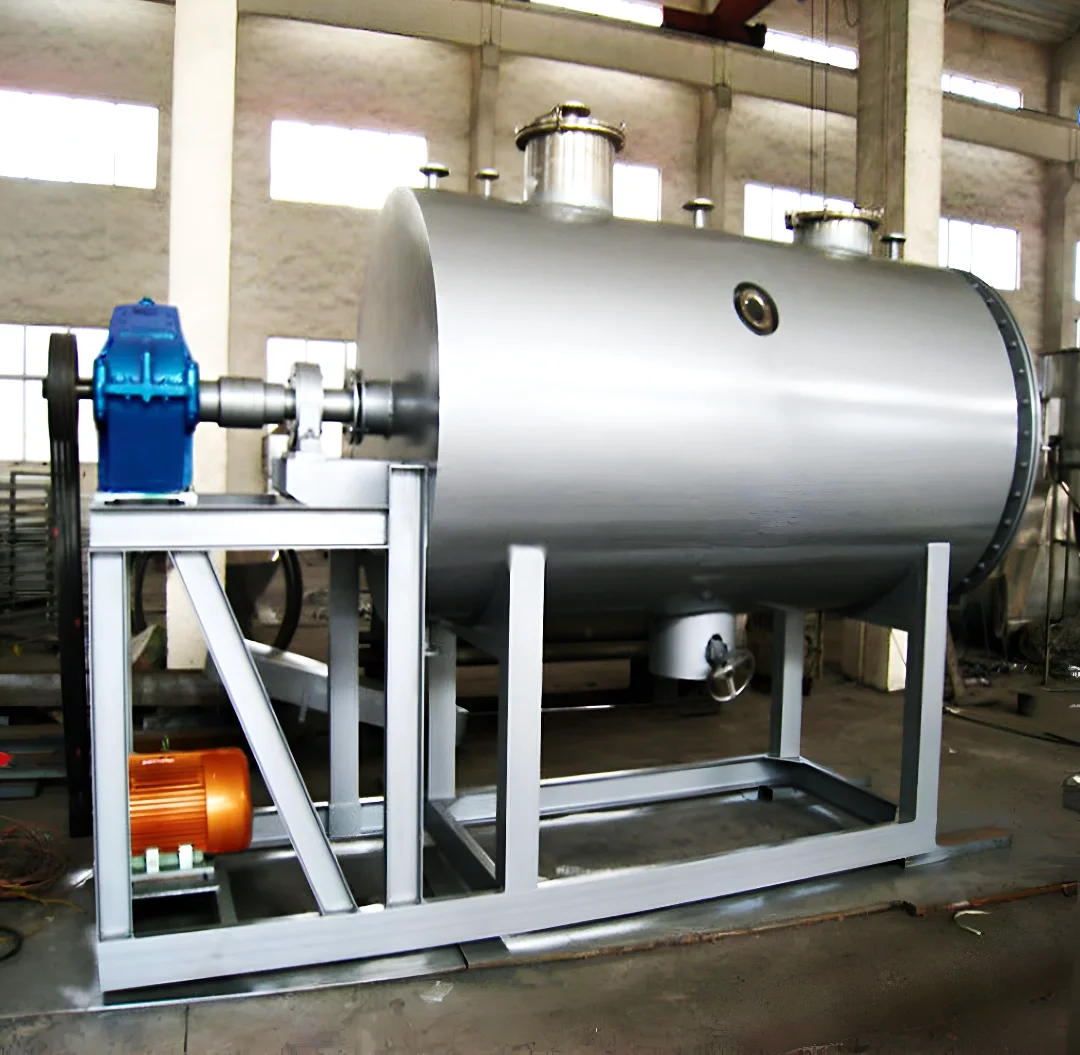
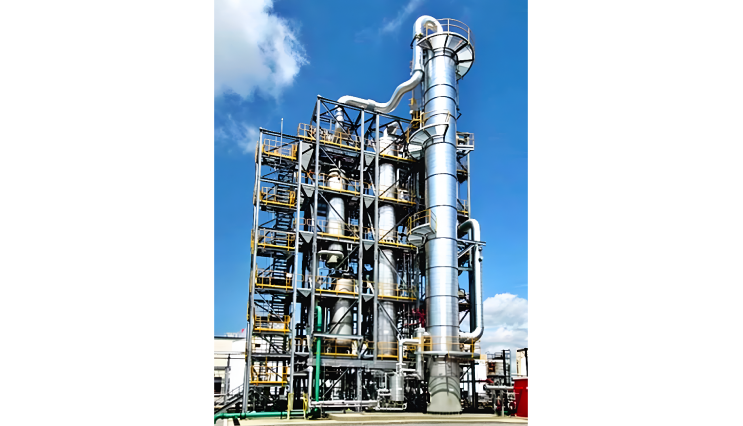
Textile processors and dye houses generate ETP and dye-house sludge and ZLD reject salts such as sodium sulphate, and they handle dyes, fibres, process chemicals and recycled PET flakes. Sludge disposal is charged by weight, ZLD compliance needs a dry solid at the end of the evaporator, and fibres or flakes need precise moisture before spinning or extrusion. GEM supplies paddle, thin film, fluid bed and flash dryers for these streams.

Quick answer

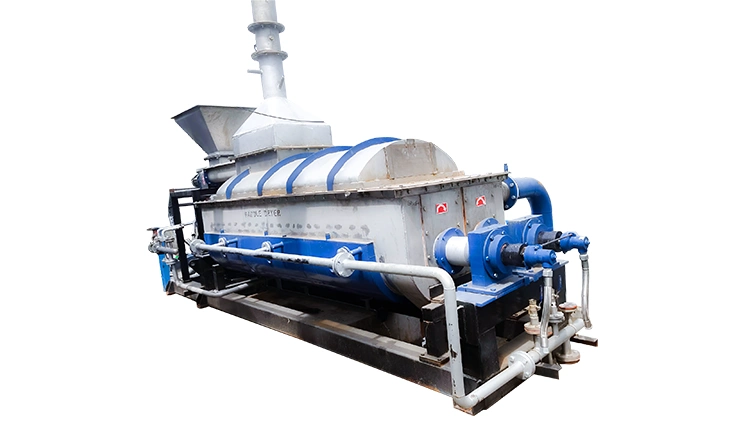
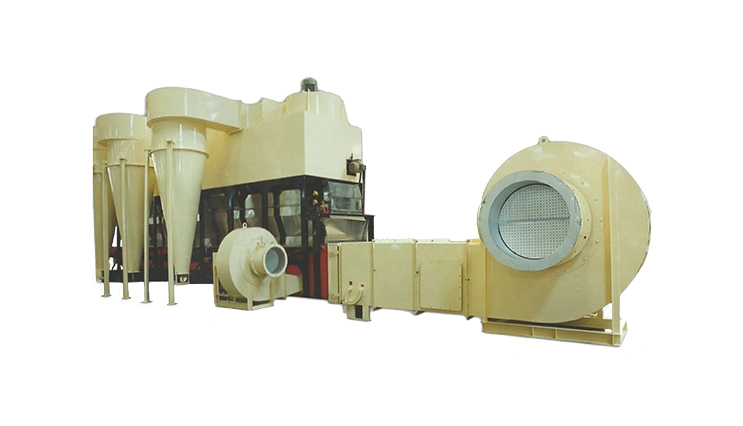
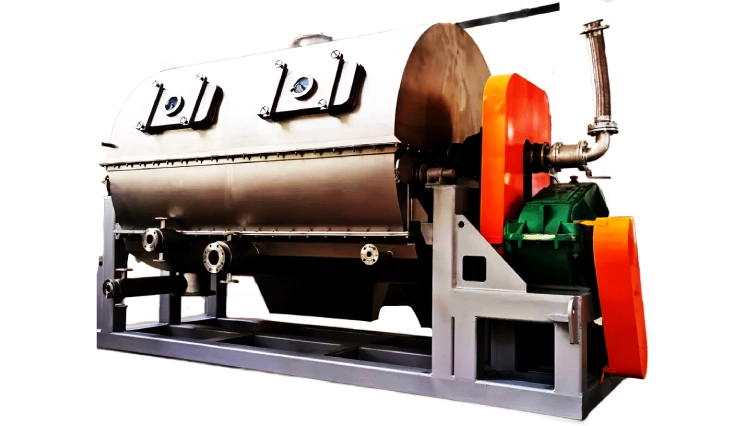
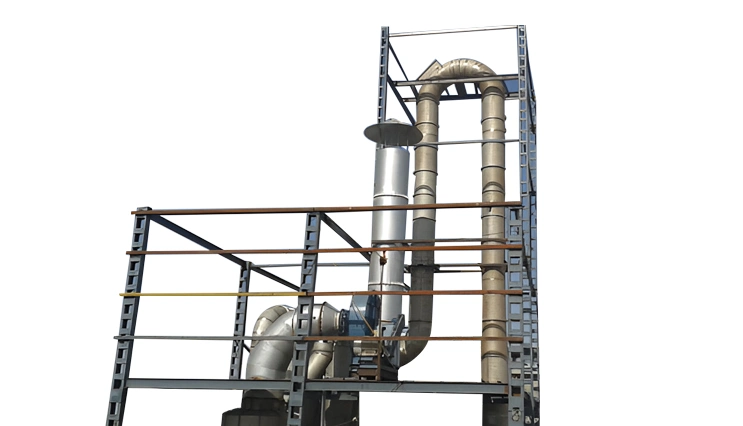
For textile & dye houses, GEM dries 13 materials across 4 application areas. The dryers specified most often are the Paddle Dryer, Vibratory Fluid Bed Dryer and Drum Flaker, chosen per material after a pilot trial.

1998established112+installations7countriesDried & Testedin-house pilot trialsCertifications · Case studies
The pressure

Why textile & dye houses plants invest in drying

  • Zero liquid discharge conditions leave mills with evaporator reject that must be reduced to dry salt for disposal or reuse.
  • Colour-laden ETP sludge piles up on site while hazardous waste facilities charge for every wet tonne received.
  • Recovered Glauber's salt and common salt must be dry and free-flowing before dye houses can reuse them in dyeing.
  • Recycled PET flakes and fibres need consistent low moisture, or downstream extrusion and spinning suffer quality problems.
Equipment

Dryers behind these applications

Each material page names the recommended dryer and the alternatives. The machines below are the ones specified most often across the 13 materials for this industry.

Why GEM

How we work with textile & dye houses plants

ZLD end-stage drying

Agitated thin film and paddle dryers take evaporator concentrate or wet salt to a dry solid, closing the loop on zero liquid discharge systems at processing and dyeing units.

Sludge volume reduction

Drying textile ETP sludge in an indirect paddle dryer removes most of its water, reducing what goes to the hazardous waste facility and what it costs to send.

Process materials too

Beyond effluent, we dry fibres, dyes, salts and recycled PET flakes, so one supplier can address both the production and the compliance side of the mill.

FAQ

Textile & Dye Houses: questions buyers ask

How is textile ETP sludge usually dried?
Textile ETP sludge is typically sticky and fine, so an indirect paddle dryer is a common choice, with a mesh belt dryer considered where the cake extrudes well. Drying cuts weight for disposal or for co-processing in cement kilns where permitted.
Can ZLD reject be dried into reusable salt?
Yes, where the salt is sufficiently pure. Sodium sulphate and sodium chloride recovered from ZLD streams can be dried for reuse in dyeing. Mixed salts with organics are usually dried for disposal instead. Salt chemistry determines which route applies.
Do you dry recycled PET flakes after washing?
Yes. Washed PET flakes can be surface-dried in a vibratory fluid bed dryer, with cooling as needed. Crystallisation and deep drying before extrusion are separate steps, and we can discuss how surface drying fits your recycling line.

Send us a sample. See it dried.

We trial your material in our pilot facility before any equipment decision, then size the dryer from real data.

  1. Tell us the material, moisture and throughput.
  2. An engineer confirms the trial plan and sample shipping.
  3. You get drying data and a sized recommendation with a budget quotation.

Material not listed? Talk to our technical expert.

Describe it in the form, or message an engineer directly.

Request a trial or quotation

    An engineer replies within one working day. We never share your details.

    No related products found for this application.

    whatsapp