85–90% → 5–8% moisture. About 85% of the feed weight leaves as water, giving a stable product that stores and ships.
Brewer's yeast drying recovers the spent Saccharomyces cream collected after fermentation and turns it into a stable protein and B-vitamin product. Unlike fibrous brewery residues, it arrives as a liquid slurry that must be dried on heated surfaces. Breweries dry it to sell feed or supplement-grade yeast and to keep it out of the effluent plant.
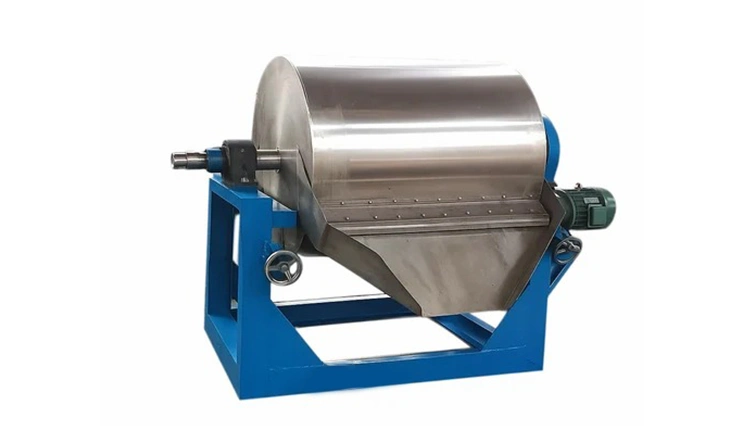
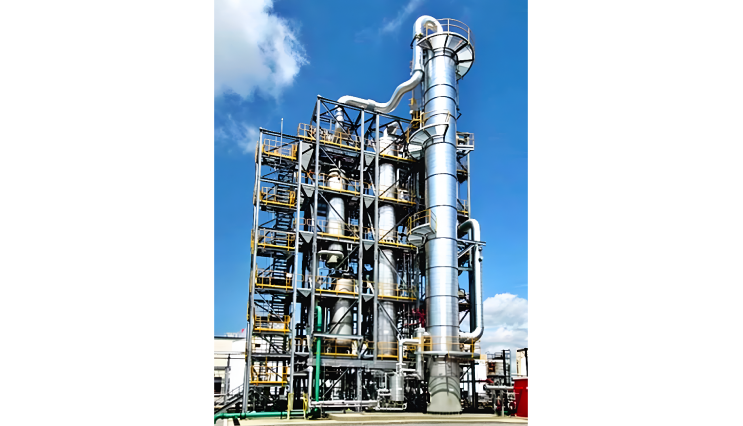
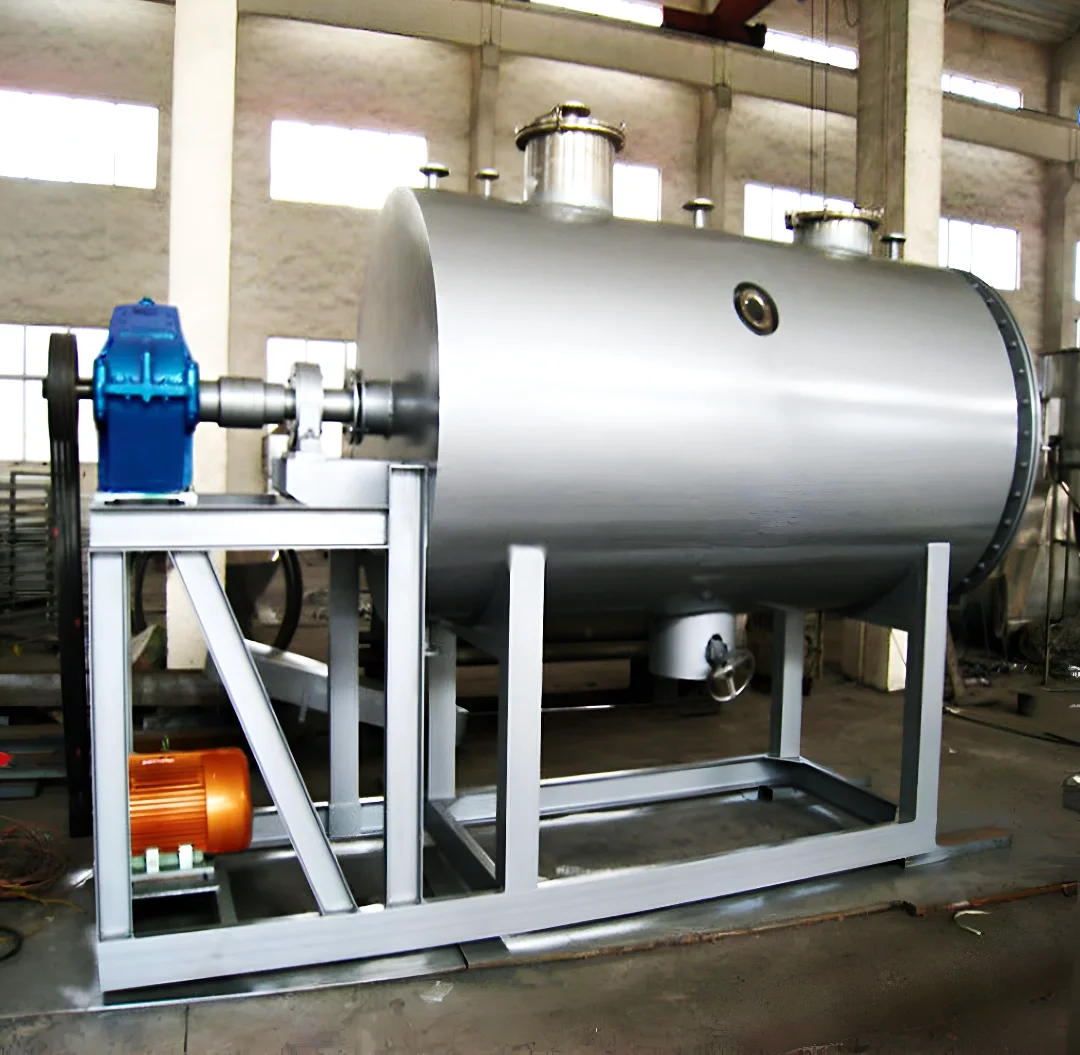
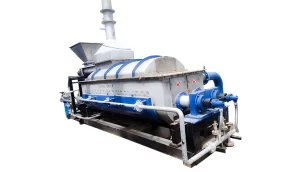
To dry brewer's yeast, GEM recommends the Single / Double Drum Dryer. Typical moisture is 85–90% in the feed and 5–8% after drying. Agitated Thin Film Dryer and Rotary Vacuum Dryer are used when the feed or site calls for it. Every project starts with a pilot trial on your own sample.
Drum drying spreads the yeast cream as a thin film that dries in seconds, giving inactive yeast flakes with limited heat damage. An agitated thin film dryer suits concentrated slurry for powder, while rotary vacuum drying fits small, high-value supplement batches.
| Typical feed moisture | 85–90% |
| Typical target moisture | 5–8% |
| Recommended dryer | Single / Double Drum Dryer |
| Alternatives | Agitated Thin Film Dryer, Rotary Vacuum Dryer |
| Application area | Pomace, Pulp & By-products |
| Industries | Animal Feed, Breweries & Distilleries, Nutraceuticals & Herbal |
Spent yeast adds high biological load to brewery effluent if discharged. Drying instead yields a protein-rich product sold to feed and food buyers, with lower effluent treatment cost.
Plants searching for a brewers yeast dryer or comparing a spent yeast drying usually need three answers: which dryer fits, what it costs to run, and how fast it pays back. For Brewer's Yeast, we start from your throughput, current moisture (typically 85–90%) and the target (5–8%), trial a sample on the Single / Double Drum Dryer, and return a sized recommendation with a budget quotation for your animal feed and nutraceuticals operation.
Compare all 8 materials in Brewery, Distillery & Beverage By-products or browse the wider Pomace, Pulp & By-products family.
We trial your material in our pilot facility before any equipment decision, then size the dryer from real data.
Describe it in the form, or Message an Engineer directly →