Beetroot drying produces dice, chips and powder valued for their deep red betalain pigment, natural sugars and nitrate content. The root is about 85–90% water and its colour is unusually sensitive to heat, light and oxygen. Food colour and nutraceutical buyers judge product mainly by colour strength.
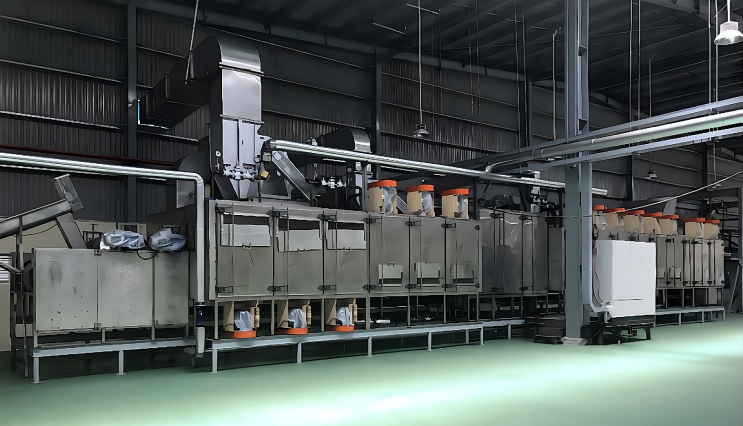
To dry beetroot, GEM recommends the Multi-Pass Conveyor Dryer and Band Dryer (Beltotherm). Typical moisture is 85–90% in the feed and 4–7% after drying. Single-Pass Conveyor Dryer and Freeze Dryer / Lyophilizer are used when the feed or site calls for it. Every project starts with a pilot trial on your own sample.
Multi-pass conveyor dryers suit beetroot dice and slices, using moderate temperatures over longer residence to protect betalain colour. A band dryer suits higher-capacity chips; freeze drying is chosen for premium powders where maximum colour justifies the cost.
| Typical feed moisture | 85–90% |
| Typical target moisture | 4–7% |
| Recommended dryer | Multi-Pass Conveyor Dryer, Band Dryer (Beltotherm) |
| Alternatives | Single-Pass Conveyor Dryer, Freeze Dryer / Lyophilizer |
| Application area | Food Dehydration |
| Industries | Food & Beverage |
Beetroot powder sells far above fresh roots, especially as a natural colour and supplement ingredient. Retaining betalain content during drying directly supports price and buyer acceptance.
Plants searching for a beetroot dryer or comparing a beetroot powder plant usually need three answers: which dryer fits, what it costs to run, and how fast it pays back. For Beetroot, we start from your throughput, current moisture (typically 85–90%) and the target (4–7%), trial a sample on the Multi-Pass Conveyor Dryer, and return a sized recommendation with a budget quotation for your food operation.
Compare all 12 materials in Vegetable & Fruit Dehydration or browse the wider Food Dehydration family.
We trial your material in our pilot facility before any equipment decision, then size the dryer from real data.
Describe it in the form, or message an engineer directly.