70–85% → 10–15% moisture. About 75% of the feed weight leaves as water, giving a stable product that stores and ships.
Food waste drying reduces the volume and odour of mixed kitchen, canteen, hotel and food factory waste so it can become feed, compost input or fuel. Unlike single-source pomace, it mixes starches, fats, proteins and occasional packaging, so pre-sorting and shredding come first. Operators dry it to cut collection costs and divert waste from landfill.
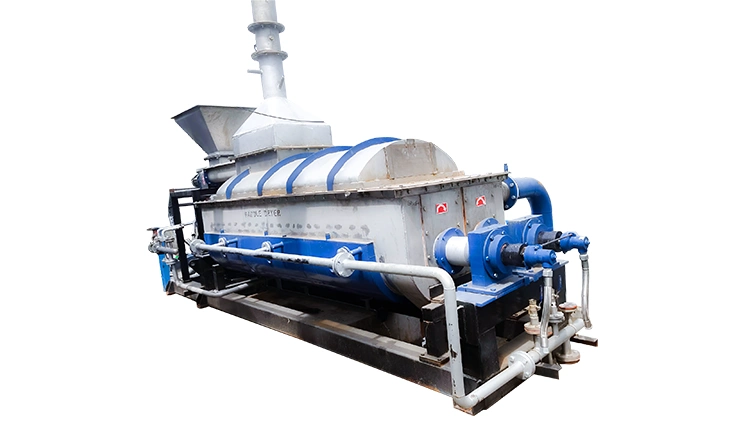
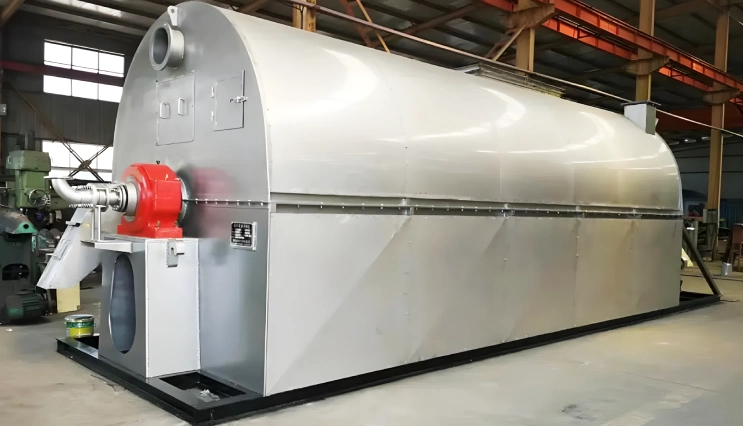
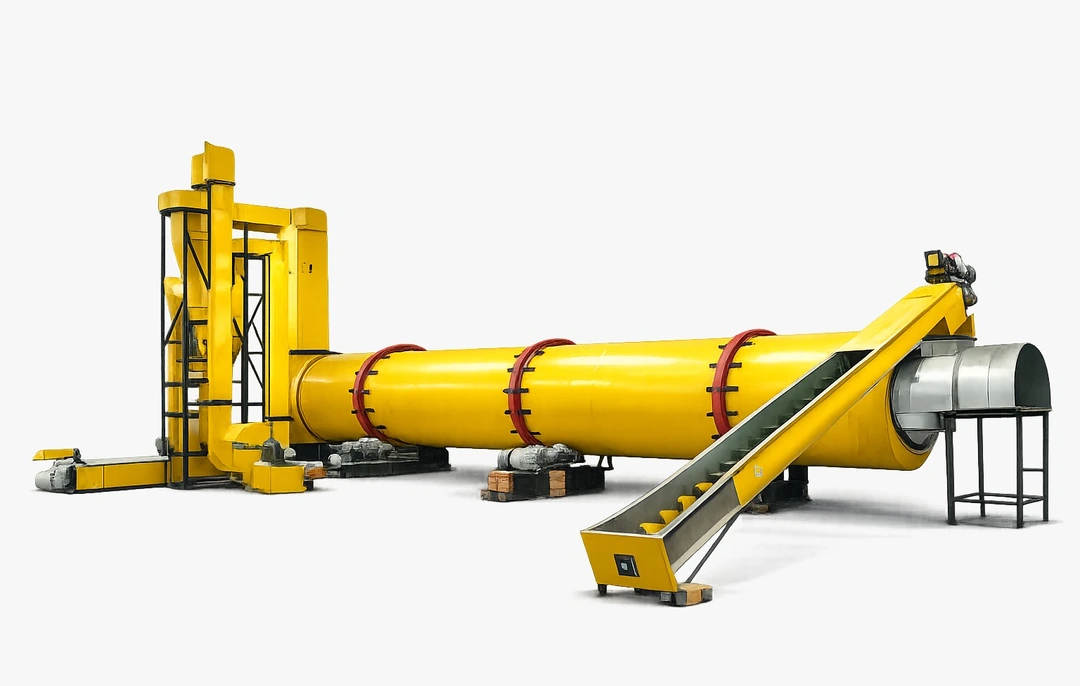
To dry food waste, GEM recommends the Paddle Dryer and Rotary Tube Bundle Dryer. Typical moisture is 70–85% in the feed and 10–15% after drying. Rotary Dryer is used when the feed or site calls for it. Every project starts with a pilot trial on your own sample.
A paddle dryer handles shredded food waste as a paste, mixes it continuously and contains odour in a sealed body. Steam-tube dryers suit larger, more uniform streams, while rotary dryers work after dewatering and back-mixing in fuel applications.
| Typical feed moisture | 70–85% |
| Typical target moisture | 10–15% |
| Recommended dryer | Paddle Dryer, Rotary Tube Bundle Dryer |
| Alternatives | Rotary Dryer |
| Application area | Pomace, Pulp & By-products |
| Industries | Food & Beverage, Biomass, Bioenergy & Recycling, Wastewater & Environmental |
Drying can reduce food waste weight by several times, cutting collection and landfill charges. A dry, stable product can then be sold or used on site instead of being paid away as disposal.
Plants searching for a food waste dryer or comparing a food waste drying machine usually need three answers: which dryer fits, what it costs to run, and how fast it pays back. For Food Waste, we start from your throughput, current moisture (typically 70–85%) and the target (10–15%), trial a sample on the Paddle Dryer, and return a sized recommendation with a budget quotation for your food and biomass operation.
Compare all 11 materials in Fruit & Vegetable Pomace and Food Waste or browse the wider Pomace, Pulp & By-products family.
We trial your material in our pilot facility before any equipment decision, then size the dryer from real data.
Describe it in the form, or Message an Engineer directly →