16–20% → 10–12% moisture. About 10% of the feed weight leaves as water, giving a stable product that stores and ships.
Green gram drying is common in moong dal mills, where the small seeds are wetted to loosen the husk and then dried before splitting. Buyers judge whole moong and moong dal by a bright green or yellow colour, so drying must be quick enough to stop mould yet gentle enough not to dull the seed coat.
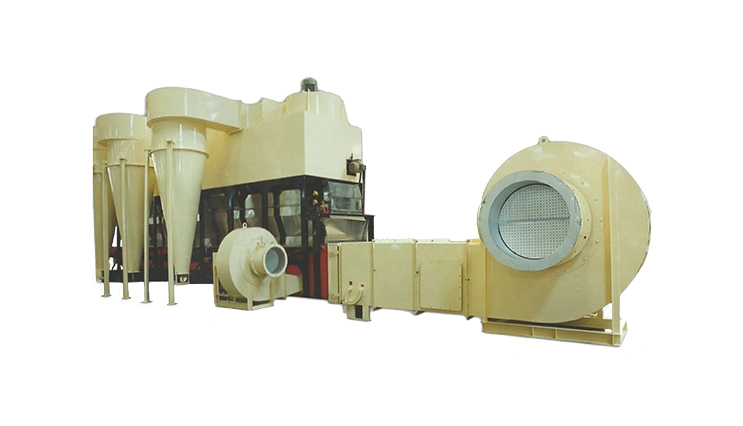
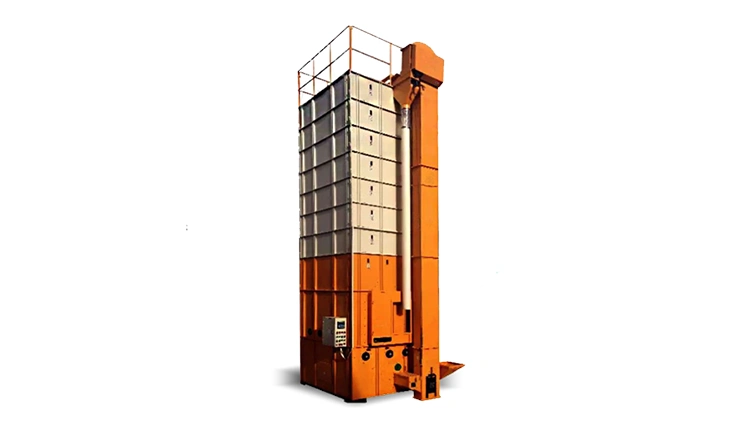
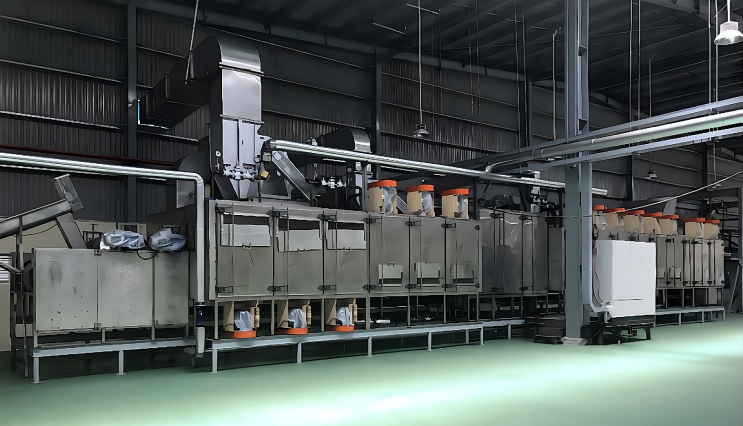
To dry green gram, GEM recommends the Vibratory Fluid Bed Dryer. Typical moisture is 16–20% in the feed and 10–12% after drying. Grain Dryer and Band Dryer are used when the feed or site calls for it. Every project starts with a pilot trial on your own sample.
A vibratory fluid bed suits the small, free-flowing moong seeds, removing conditioning moisture quickly while keeping colour. A grain dryer is used for bulk field moong, and a band dryer for sprouted moong, where gentle static drying protects the shoots.
| Typical feed moisture | 16–20% |
| Typical target moisture | 10–12% |
| Recommended dryer | Vibratory Fluid Bed Dryer |
| Alternatives | Grain Dryer, Band Dryer |
| Application area | Grains, Pulses & Seeds |
| Industries | Agriculture & Grain Processing, Food & Beverage |
Bright, evenly dried moong fetches a better price in wholesale markets, and faster drying lets dal mills process more lots per day without depending on sunny yards.
Plants searching for a green gram dryer or comparing a moong drying machine usually need three answers: which dryer fits, what it costs to run, and how fast it pays back. For Green Gram, we start from your throughput, current moisture (typically 16–20%) and the target (10–12%), trial a sample on the Vibratory Fluid Bed Dryer, and return a sized recommendation with a budget quotation for your agriculture and food operation.
We trial your material in our pilot facility before any equipment decision, then size the dryer from real data.
Describe it in the form, or Message an Engineer directly →