Dye and pigment manufacturers dry reactive, acid, disperse and sulphur dyes, organic and inorganic pigments, dye intermediates such as BDSA salts, and natural plant colourants. Shade, colour strength and dispersibility can shift if a batch overheats or agglomerates, and fine dusty powders create cleaning and contamination headaches. GEM recommends paddle, flash or rotary vacuum drying depending on whether the material arrives as presscake, slurry or solvent-wet solid.
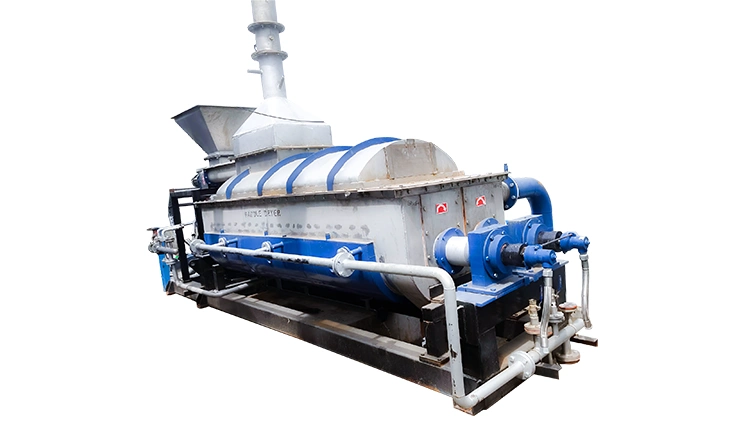
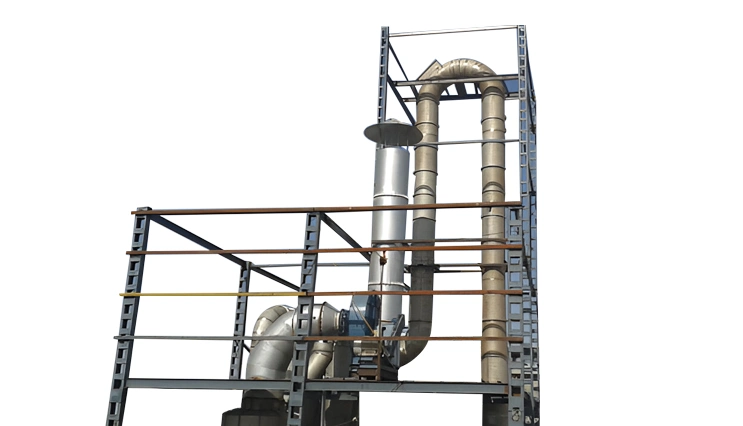
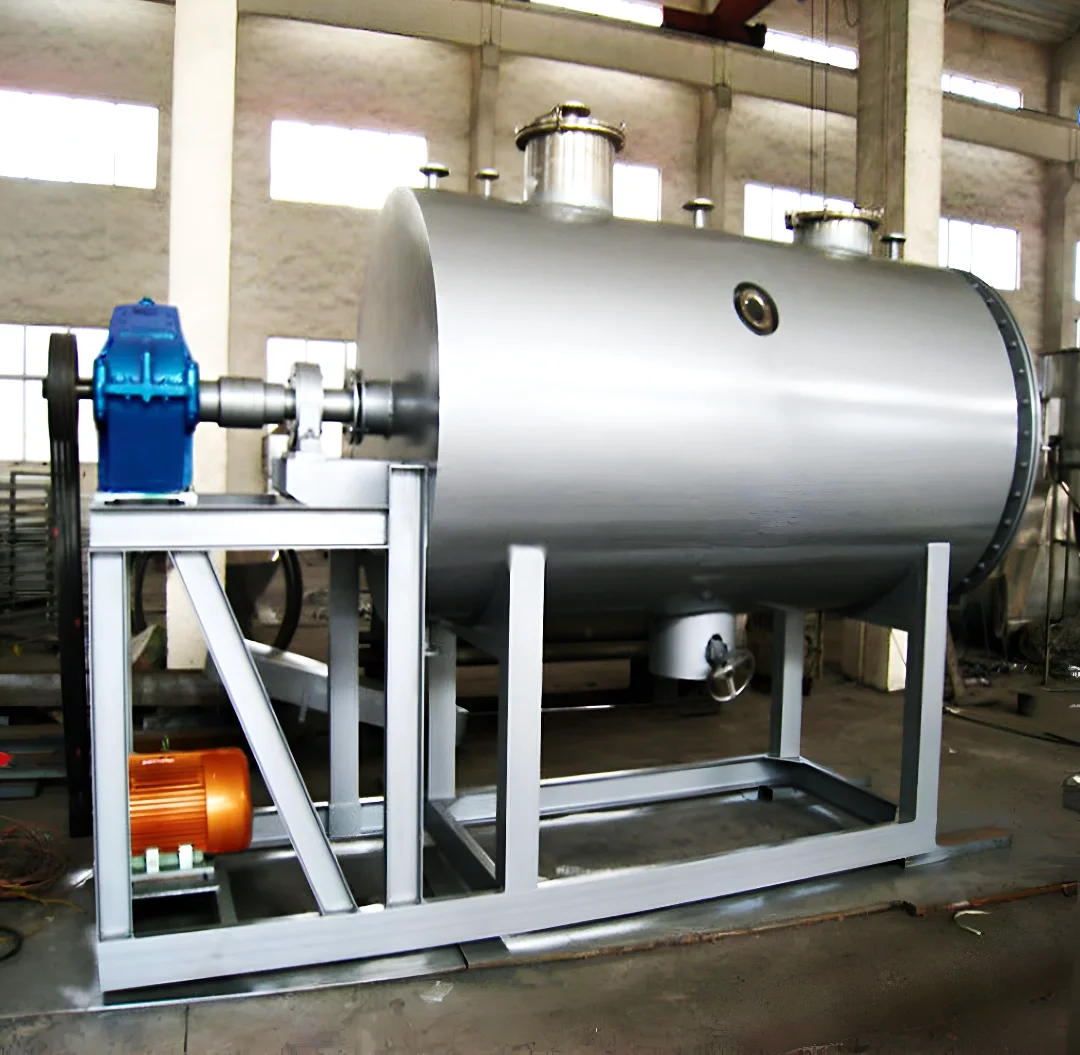
For dyes, pigments & inks, GEM dries 8 materials across 1 application areas. The dryers specified most often are the Paddle Dryer, Flash Dryer and Rotary Vacuum Dryer, chosen per material after a pilot trial.
The dyes, pigments and intermediates below each show the dryer types we would consider for them.
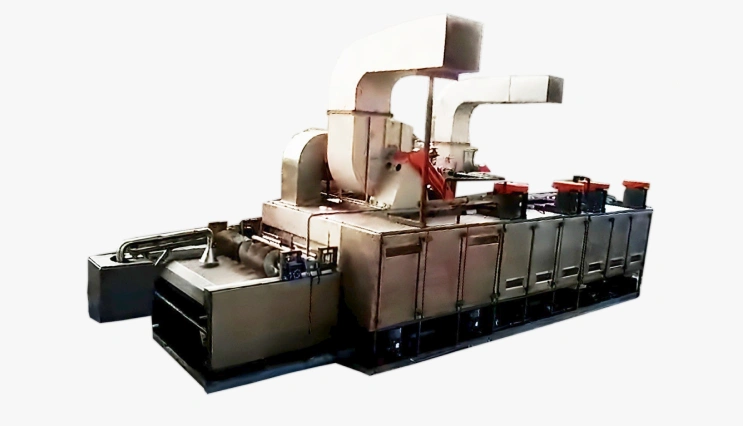
Each material page names the recommended dryer and the alternatives. The machines below are the ones specified most often across the 8 materials for this industry.
Indirect paddle and rotary vacuum dryers work at controlled wall temperatures, helping protect shade and strength in heat-sensitive dyes and pigments.
Flash dryers dry non-sticky presscakes in seconds, producing fine powder with short heat exposure and, in many cases, reducing the need for separate milling.
Enclosed dryers with dust collection limit fugitive colour, and accessible internals make cleaning between shades more practical for multi-product plants.
We trial your material in our pilot facility before any equipment decision, then size the dryer from real data.
Describe it in the form, or message an engineer directly.
No related products found for this application.