Sugar drying takes crystals from the centrifuge, carrying a thin film of syrup, and removes the last fraction of moisture before bagging or silo storage. The amount of water is small, but if it is left behind the sugar cakes into hard lumps. Mills and refineries dry sugar to keep it free-flowing and to protect colour and crystal quality.
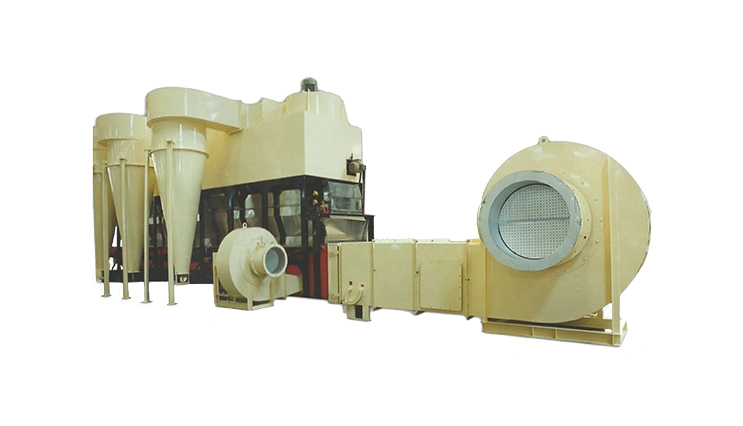
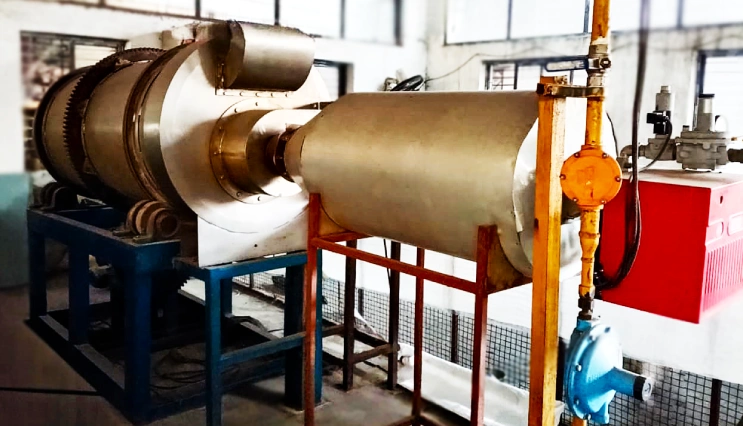
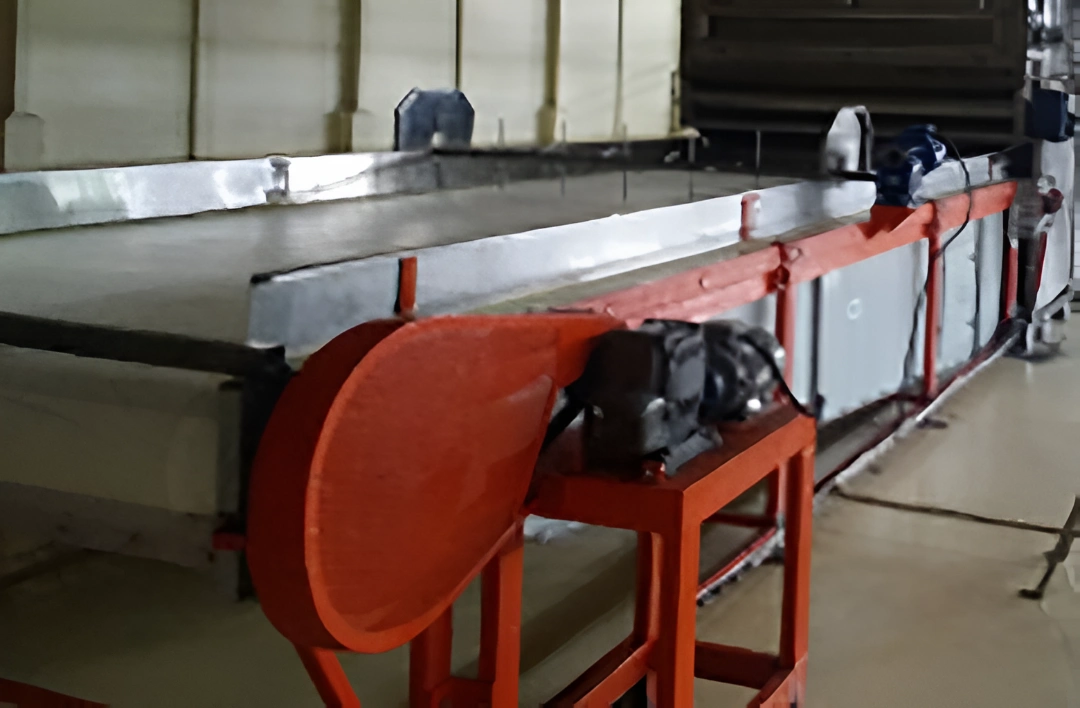
To dry sugar, GEM recommends the Vibratory Fluid Bed Dryer. Typical moisture is 0.5–2% in the feed and 0.03–0.06% after drying. Rotary Louvre Dryer and Industrial Cooler are used when the feed or site calls for it. Every project starts with a pilot trial on your own sample.
A vibratory fluid bed dries crystals gently and evenly with low mechanical stress, and can include a cooling section. A rotary louvre dryer suits high-tonnage mills; a separate cooler is added when sugar must reach near-ambient temperature before storage.
| Typical feed moisture | 0.5–2% |
| Typical target moisture | 0.03–0.06% |
| Recommended dryer | Vibratory Fluid Bed Dryer |
| Alternatives | Rotary Louvre Dryer, Industrial Cooler |
| Application area | Food Products & Snacks |
| Industries | Food & Beverage |
Free-flowing, well-conditioned sugar avoids rework from caked bags and complaints from beverage, bakery and confectionery buyers. Low fines and good crystal appearance support grade pricing, and stable moisture allows longer silo storage.
Plants searching for a sugar dryer or comparing a sugar fluid bed dryer usually need three answers: which dryer fits, what it costs to run, and how fast it pays back. For Sugar, we start from your throughput, current moisture (typically 0.5–2%) and the target (0.03–0.06%), trial a sample on the Vibratory Fluid Bed Dryer, and return a sized recommendation with a budget quotation for your food operation.
We trial your material in our pilot facility before any equipment decision, then size the dryer from real data.
Describe it in the form, or Message an Engineer directly →