55–70% → 10–20% moisture. About 55% of the feed weight leaves as water, so far less goes on the truck and to landfill.
Paper mill sludge drying handles primary clarifier and biological sludge from pulp and paper effluent plants, typically pressed to 30–45% dry solids. Its high fibre content gives it fuel value and a loose, open structure once dewatered. Mills dry it to burn in their own boilers, sell to board makers or cut landfill volumes.
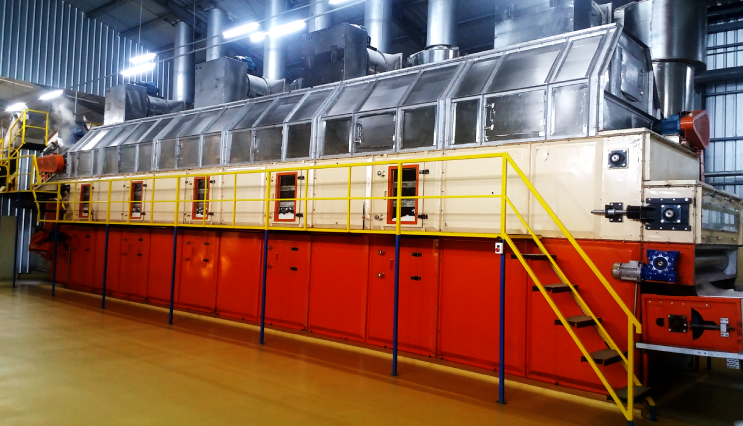
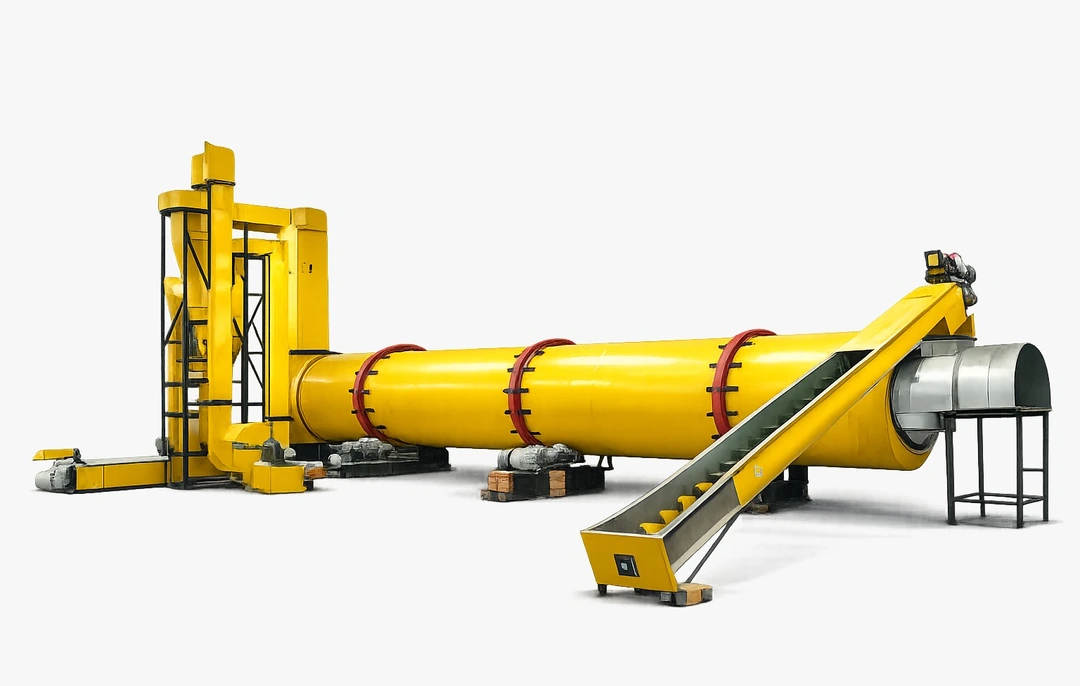
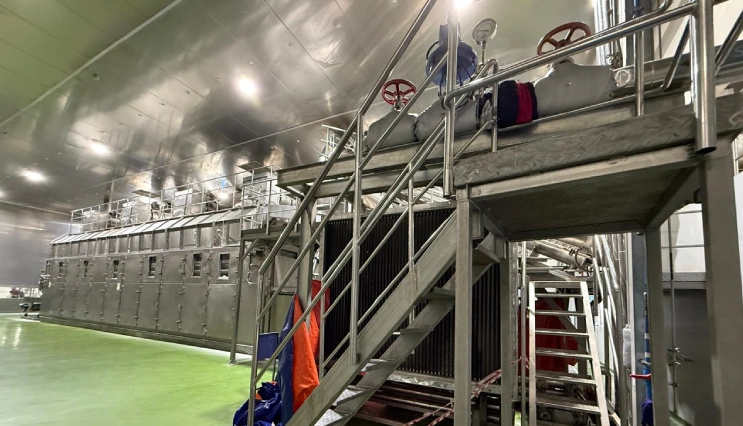
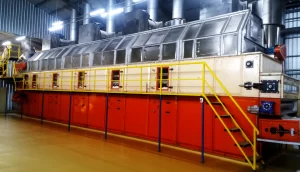
To dry paper mill sludge, GEM recommends the Mesh Belt Dryer (Meshotherm). Typical moisture is 55–70% in the feed and 10–20% after drying. Rotary Dryer and Hybrid Belt + Fluid Bed Dryer are used when the feed or site calls for it. Every project starts with a pilot trial on your own sample.
Pressed fibre sludge forms a permeable layer that air passes through easily, so a Meshotherm belt dries it gently using mill waste heat with low dust carryover. A rotary dryer suits mills with hot flue gas and coarser, more robust sludge.
| Typical feed moisture | 55–70% |
| Typical target moisture | 10–20% |
| Recommended dryer | Mesh Belt Dryer (Meshotherm) |
| Alternatives | Rotary Dryer, Hybrid Belt + Fluid Bed Dryer |
| Application area | Sludge & Biosolids |
| Industries | Paper & Pulp, Wastewater & Environmental |
Wet sludge burns poorly and lowers boiler efficiency, while landfill costs and restrictions keep rising. Dried sludge becomes an in-house fuel that replaces purchased coal or biomass, and it also reduces truck movements leaving the mill.
Plants searching for a paper mill sludge dryer or comparing a paper sludge drying usually need three answers: which dryer fits, what it costs to run, and how fast it pays back. For Paper Mill Sludge, we start from your throughput, current moisture (typically 55–70%) and the target (10–20%), trial a sample on the Mesh Belt Dryer, and return a sized recommendation with a budget quotation for your paper and wastewater operation.
We trial your material in our pilot facility before any equipment decision, then size the dryer from real data.
Describe it in the form, or Message an Engineer directly →