Monosodium Glutamate Drying

2–5% → ≤0.5% moisture. About 5% of the feed weight leaves as water, so the product meets spec and handles freely.

  • Pilot trial on your own sample
  • 112+ installations in 7 countries
  • Engineer replies in 1 working day

Monosodium glutamate drying takes the long, needle-like monohydrate crystals from fermentation and crystallisation and removes surface moisture without breaking or clouding them. Consumers judge MSG by its glassy appearance, so crystal size and clarity carry as much commercial weight as moisture content.

Quick answer

To dry monosodium glutamate, GEM recommends the Vibratory Fluid Bed Dryer. Typical moisture is 2–5% in the feed and ≤0.5% after drying. Rotary Louvre Dryer and Rotary Vacuum Dryer are used when the feed or site calls for it. Every project starts with a pilot trial on your own sample.

1998established112+installations7countriesDried & Testedin-house pilot trialsCertifications · Case studies
The challenge

What makes Monosodium Glutamate hard to dry

  • Long, needle-shaped MSG crystals break easily under agitation, creating fines that reduce their appeal in retail packs.
  • Overheating drives off water of crystallisation and turns glassy MSG crystals opaque and chalky in appearance.
  • Sticky mother liquor residue must be washed and dried evenly to avoid lumps.
  • Food-grade MSG production calls for hygienic stainless construction, easy cleaning and dust-free transfer to packing.
How GEM dries it

The right dryer for Monosodium Glutamate

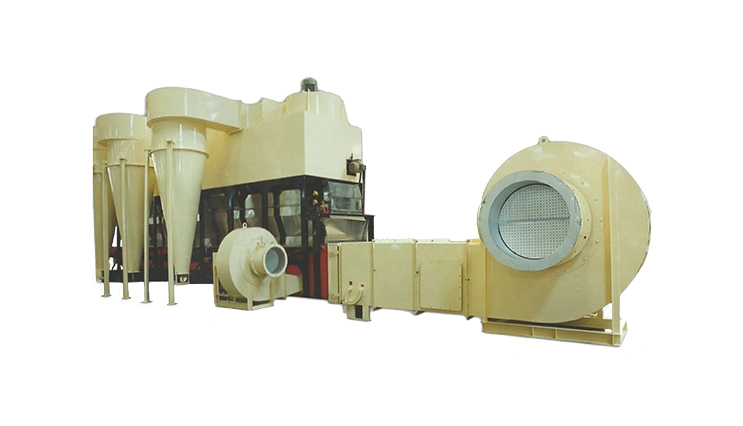
A vibratory fluid bed conveys crystals gently on a perforated deck with moderate air, limiting breakage and keeping crystals clear. Louvre rotary dryers suit very large lines; vacuum drying serves small specialty batches.

Typical feed moisture2–5%
Typical target moisture≤0.5%
Recommended dryerVibratory Fluid Bed Dryer
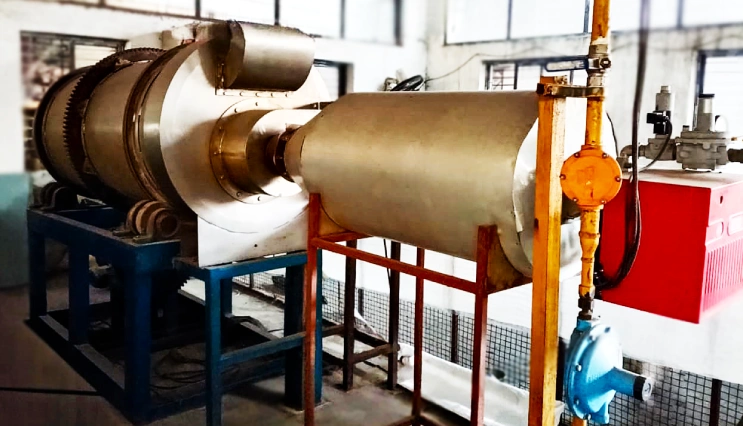
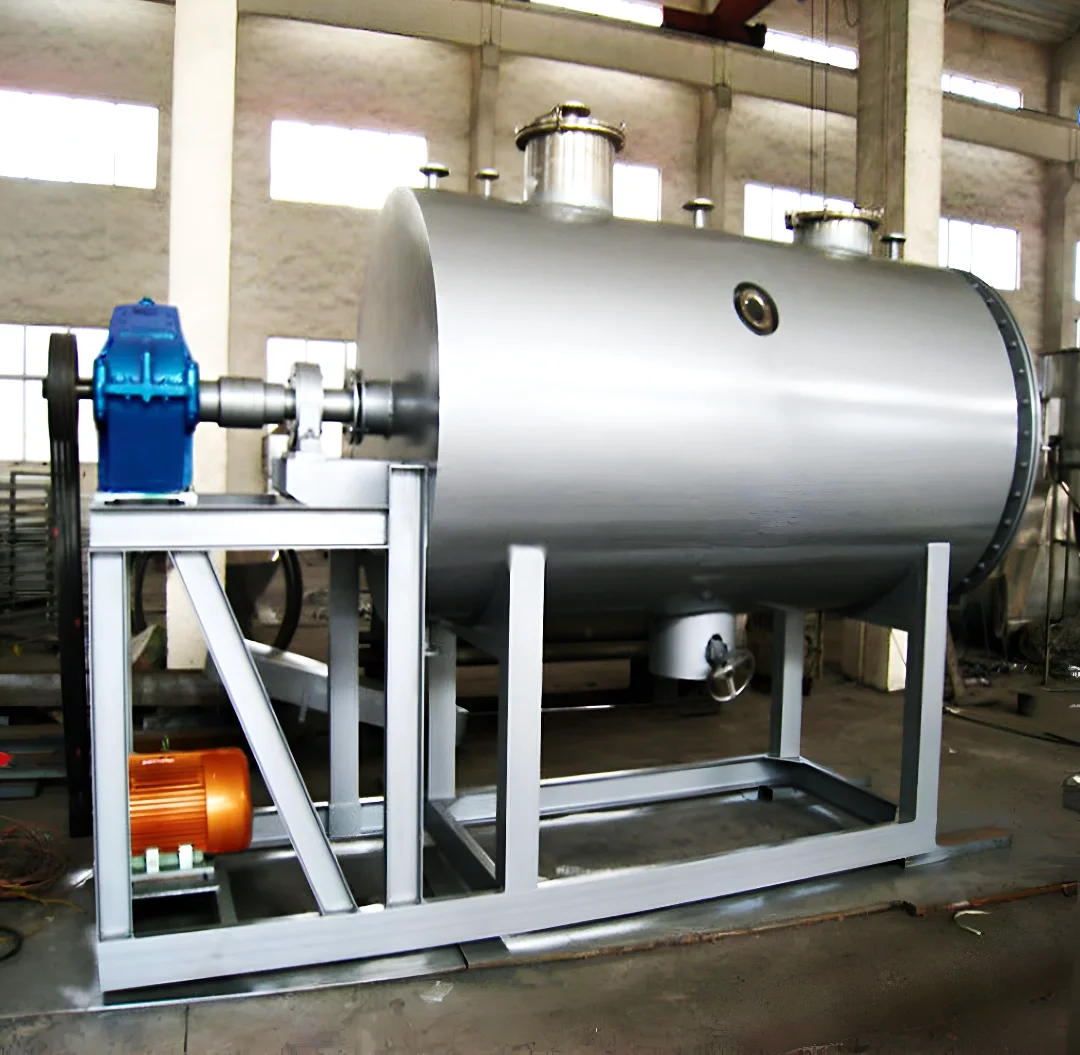
AlternativesRotary Louvre Dryer, Rotary Vacuum Dryer
Application areaChemicals & Salts
IndustriesChemicals & Specialty Chemicals, Food & Beverage
The value

What drying Monosodium Glutamate unlocks

Preserving long, glassy crystals protects the retail price, while lower fines generation reduces rework and ensures more of each batch sells as premium grade. Hygienic design supports export audits.

Dried Monosodium Glutamate becomes

  • Retail seasoning packs
  • Instant noodle and snack seasoning
  • Processed food flavour enhancer
  • Food service bulk packs
For buyers

Buying a Monosodium Glutamate dryer?

Plants searching for a MSG dryer or comparing a monosodium glutamate drying usually need three answers: which dryer fits, what it costs to run, and how fast it pays back. For Monosodium Glutamate, we start from your throughput, current moisture (typically 2–5%) and the target (≤0.5%), trial a sample on the Vibratory Fluid Bed Dryer, and return a sized recommendation with a budget quotation for your chemicals and food operation.

FAQ

Monosodium Glutamate: questions buyers ask

How do you avoid breaking MSG crystals?
Low vibration amplitude, gentle feed and controlled air velocity keep crystals intact. Screens remove fines for recycling to dissolution. Recycled fines return to the crystalliser, so little product is lost overall.
What temperature is safe for MSG?
MSG monohydrate tolerates moderate drying temperatures, but product temperature is held low enough to keep crystal water and clarity. Trials on your crystals confirm the safe temperature window.
Related

Related materials

Compare all 31 materials in Chemicals & Salts.

Send us a sample. See it dried.

We trial your material in our pilot facility before any equipment decision, then size the dryer from real data.

  1. Tell us the material, moisture and throughput.
  2. An engineer confirms the trial plan and sample shipping.
  3. You get drying data and a sized recommendation with a budget quotation.

Material not listed? Talk to our technical expert.

Describe it in the form, or directly →

Request a trial or quotation

    An engineer replies within one working day. We never share your details.

    Chat with GEM Drytech on WhatsApp