8–12% → 1–3% moisture. About 10% of the feed weight leaves as water, so the product meets spec and handles freely.
Chrome ore drying is applied to chromite concentrate and fines that leave gravity separation wet. Ferrochrome smelters, pelletising plants and exporters need a dry, free-flowing feed, and the high density and hardness of chromite make it one of the more demanding minerals for wear and drive sizing.
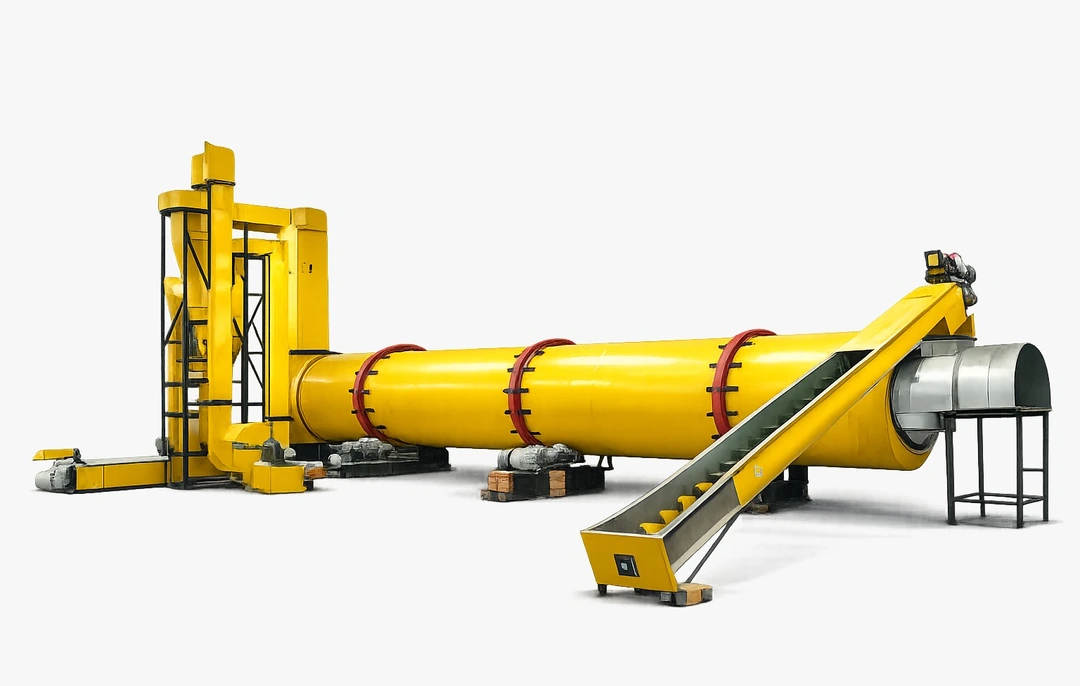
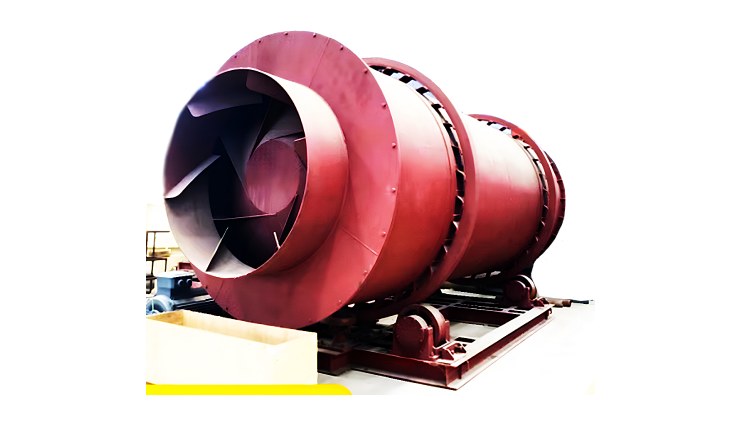
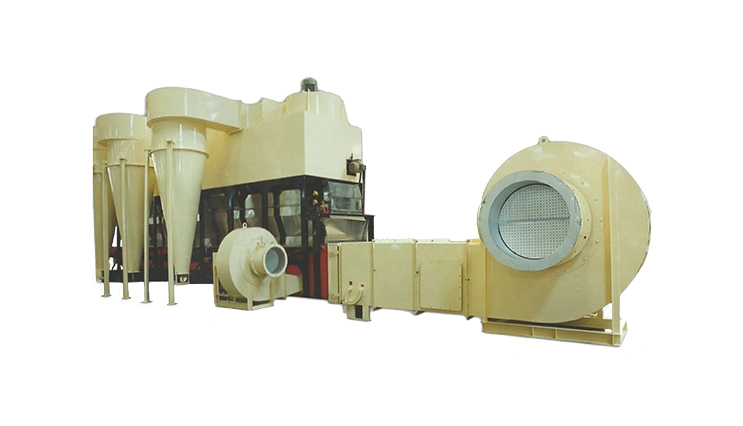
To dry chrome ore, GEM recommends the Rotary Dryer. Typical moisture is 8–12% in the feed and 1–3% after drying. Rotary Cascade Dryer and Vibratory Fluid Bed Dryer are used when the feed or site calls for it. Every project starts with a pilot trial on your own sample.
A heavy-duty direct rotary dryer tolerates dense, abrasive chromite and variable feed moisture with replaceable wear parts. A cascade dryer gives a more compact unit at higher inlet temperature, and a fluid bed suits fine, closely sized concentrate.
| Typical feed moisture | 8–12% |
| Typical target moisture | 1–3% |
| Recommended dryer | Rotary Dryer |
| Alternatives | Rotary Cascade Dryer, Vibratory Fluid Bed Dryer |
| Application area | Minerals, Ores & Ceramics |
| Industries | Minerals, Mining & Ceramics |
Dry concentrate pelletises and briquettes reliably, and smelters pay for chromium, not water. Lower moisture also reduces freight cost and handling problems such as frozen or caked stockpiles in transit.
Plants searching for a chrome ore dryer or comparing a chromite concentrate drying usually need three answers: which dryer fits, what it costs to run, and how fast it pays back. For Chrome Ore, we start from your throughput, current moisture (typically 8–12%) and the target (1–3%), trial a sample on the Rotary Dryer, and return a sized recommendation with a budget quotation for your minerals operation.
We trial your material in our pilot facility before any equipment decision, then size the dryer from real data.
Describe it in the form, or Message an Engineer directly →