Sodium Sulphide Flaking

  • Pilot trial on your own sample
  • 112+ installations in 7 countries
  • Engineer replies in 1 working day

Sodium sulphide drying and solidification is done by flaking the concentrated melt into yellow or red flakes, usually sold at around 60% Na2S. The product is strongly alkaline, absorbs moisture rapidly and releases toxic hydrogen sulphide on contact with acids or humid air, so the flaker must be closed and ventilated.

Quick answer

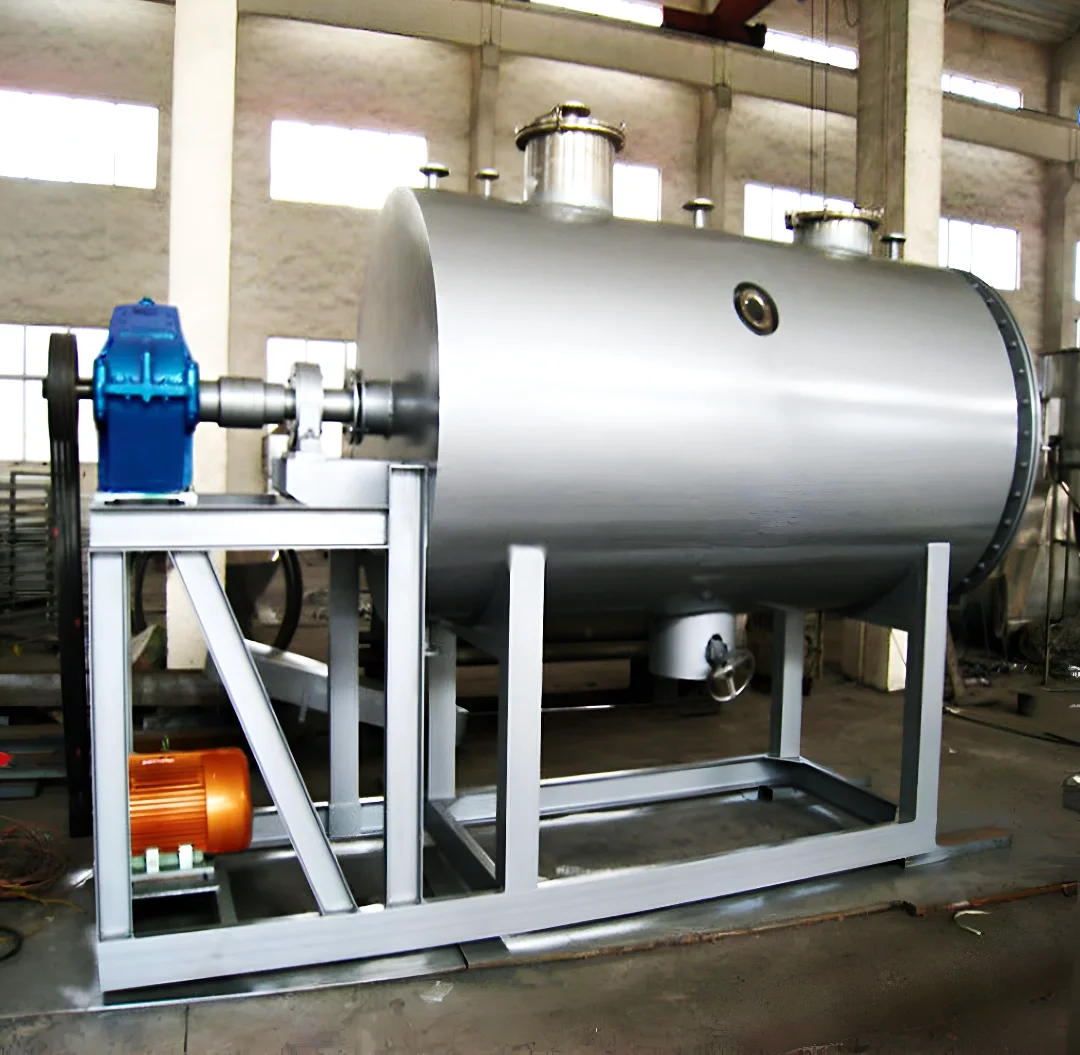
To dry sodium sulphide, GEM recommends the Drum Flaker. Rotary Vacuum Dryer is used when the feed or site calls for it. Every project starts with a pilot trial on your own sample.

1998established112+installations7countriesDried & Testedin-house pilot trialsCertifications · Case studies
The challenge

What makes Sodium Sulphide hard to dry

  • Hydrogen sulphide can evolve around the flaker, so enclosure and scrubbed extraction are essential.
  • The alkaline melt corrodes some metals, and contact parts must be chosen accordingly.
  • Flakes are hygroscopic and oxidise in air, which darkens colour and lowers assay.
  • Uneven flake thickness leads to poor dissolution rates in tanneries and dye houses.
How GEM dries it

The right dryer for Sodium Sulphide

A cooled drum flaker solidifies the melt into thin, uniform flakes with no hot-air contact, limiting oxidation and fume release. A rotary vacuum dryer is used only when specialty grades are crystallised and need low-temperature drying under vacuum.

Recommended dryerDrum Flaker
AlternativesRotary Vacuum Dryer
Application areaChemicals & Salts
IndustriesChemicals & Specialty Chemicals, Textile & Dye Houses
The value

What drying Sodium Sulphide unlocks

Uniform, closed-handled flakes hold assay through storage and export, while an enclosed flaker protects operators from hydrogen sulphide exposure and reduces housekeeping around the packing area.

Dried Sodium Sulphide becomes

  • Tannery dehairing and liming agent
  • Sulphur dye reduction
  • Mineral flotation reagent
  • Pulp and paper kraft chemical
For buyers

Buying a Sodium Sulphide dryer?

Plants searching for a sodium sulphide flaker or comparing a sodium sulphide flakes plant usually need three answers: which dryer fits, what it costs to run, and how fast it pays back. For Sodium Sulphide, we start from your throughput, current moisture and the target, trial a sample on the Drum Flaker, and return a sized recommendation with a budget quotation for your chemicals and textile operation.

FAQ

Sodium Sulphide: questions buyers ask

Why flake sodium sulphide instead of drying crystals?
Flaking the concentrated melt gives a dense, dust-free product directly and avoids long contact with hot air, which would oxidise the sulphide. Flakes also dissolve faster than lumps.
How is hydrogen sulphide controlled?
The flaker hood is kept under slight suction and the extracted air is routed to a scrubber. The design is reviewed with your site safety team.
Related

Related materials

Compare all 31 materials in Chemicals & Salts.

Send us a sample. See it dried.

We trial your material in our pilot facility before any equipment decision, then size the dryer from real data.

  1. Tell us the material, moisture and throughput.
  2. An engineer confirms the trial plan and sample shipping.
  3. You get drying data and a sized recommendation with a budget quotation.

Material not listed? Talk to our technical expert.

Describe it in the form, or directly →

Request a trial or quotation

    An engineer replies within one working day. We never share your details.

    Chat with GEM Drytech on WhatsApp