40–55% → 8–12% moisture. About 40% of the feed weight leaves as water, so the fuel burns hotter and stores without rotting.
Sawdust drying turns wet sawmill and furniture-shop fines into a consistent feedstock for pellet mills, briquetting presses and biomass boilers. Its fine particle size dries quickly, but it also carries dust and spark hazards, so the dryer must balance evaporation rate against fire safety.
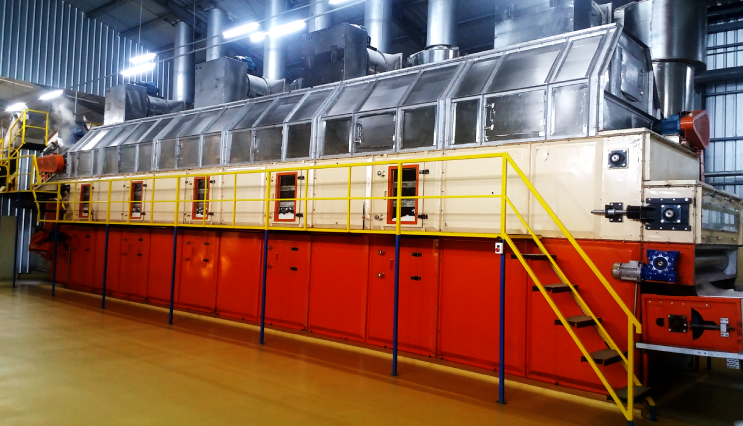
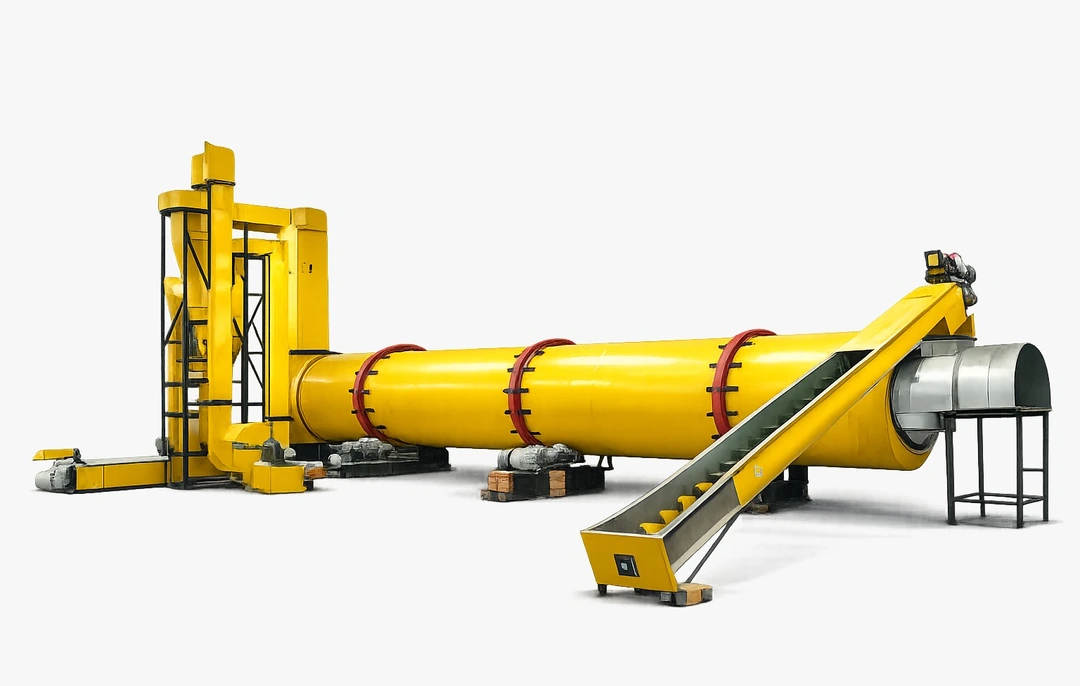
To dry sawdust, GEM recommends the Mesh Belt Dryer (Meshotherm). Typical moisture is 40–55% in the feed and 8–12% after drying. Flash Dryer and Rotary Dryer are used when the feed or site calls for it. Every project starts with a pilot trial on your own sample.
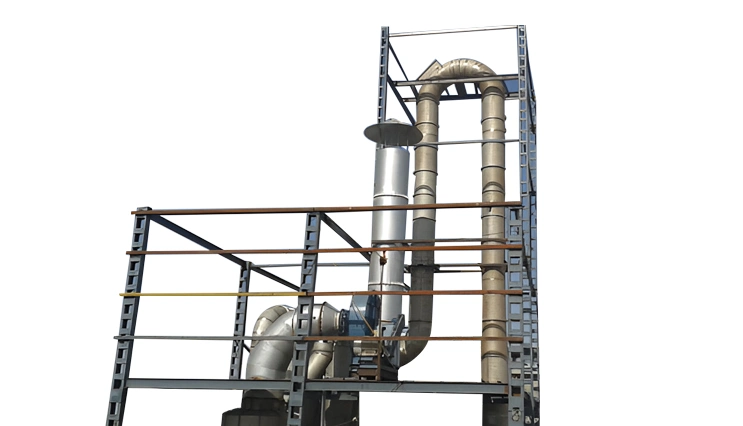
A mesh belt dries sawdust as a thin, even bed at low air temperature, which limits VOC release and fire risk and can use waste heat. A flash dryer is chosen for very fine, uniform sawdust where footprint matters; a rotary suits mixed, coarser feed.
| Typical feed moisture | 40–55% |
| Typical target moisture | 8–12% |
| Recommended dryer | Mesh Belt Dryer (Meshotherm) |
| Alternatives | Flash Dryer, Rotary Dryer |
| Application area | Biomass & Solid Fuel |
| Industries | Biomass, Bioenergy & Recycling |
Dry sawdust fetches a higher price per tonne, pellets to ENplus-type moisture limits, and burns with more usable heat. Drying also cuts haulage weight and stops mould and self-heating in stored piles.
Plants searching for a sawdust dryer or comparing a sawdust drying machine usually need three answers: which dryer fits, what it costs to run, and how fast it pays back. For Sawdust, we start from your throughput, current moisture (typically 40–55%) and the target (8–12%), trial a sample on the Mesh Belt Dryer, and return a sized recommendation with a budget quotation for your biomass operation.
Compare all 6 materials in Wood, Sawdust & Pellet Lines or browse the wider Biomass & Solid Fuel family.
We trial your material in our pilot facility before any equipment decision, then size the dryer from real data.
Describe it in the form, or Message an Engineer directly →