Sodium salt of BDSA drying handles the neutralised wet cake of a sulphonated aromatic diamine intermediate used in dye and colourant synthesis. The product is crystalline and salt-bearing, and because it is an aromatic amine derivative, operator exposure to dust must be tightly controlled. Producers dry it to a specified assay and moisture for storage and downstream coupling reactions.
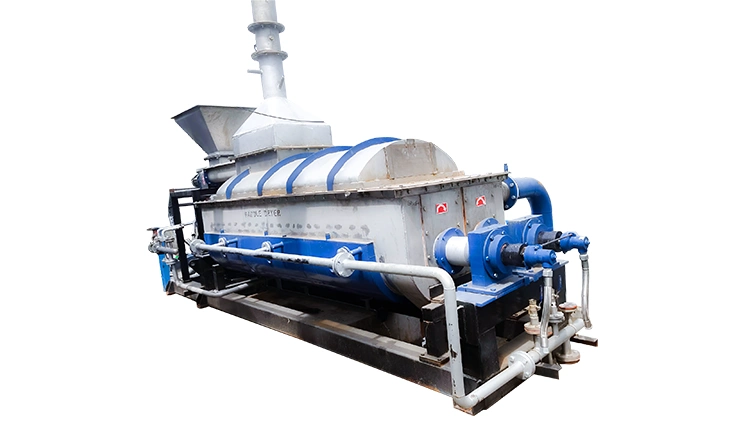
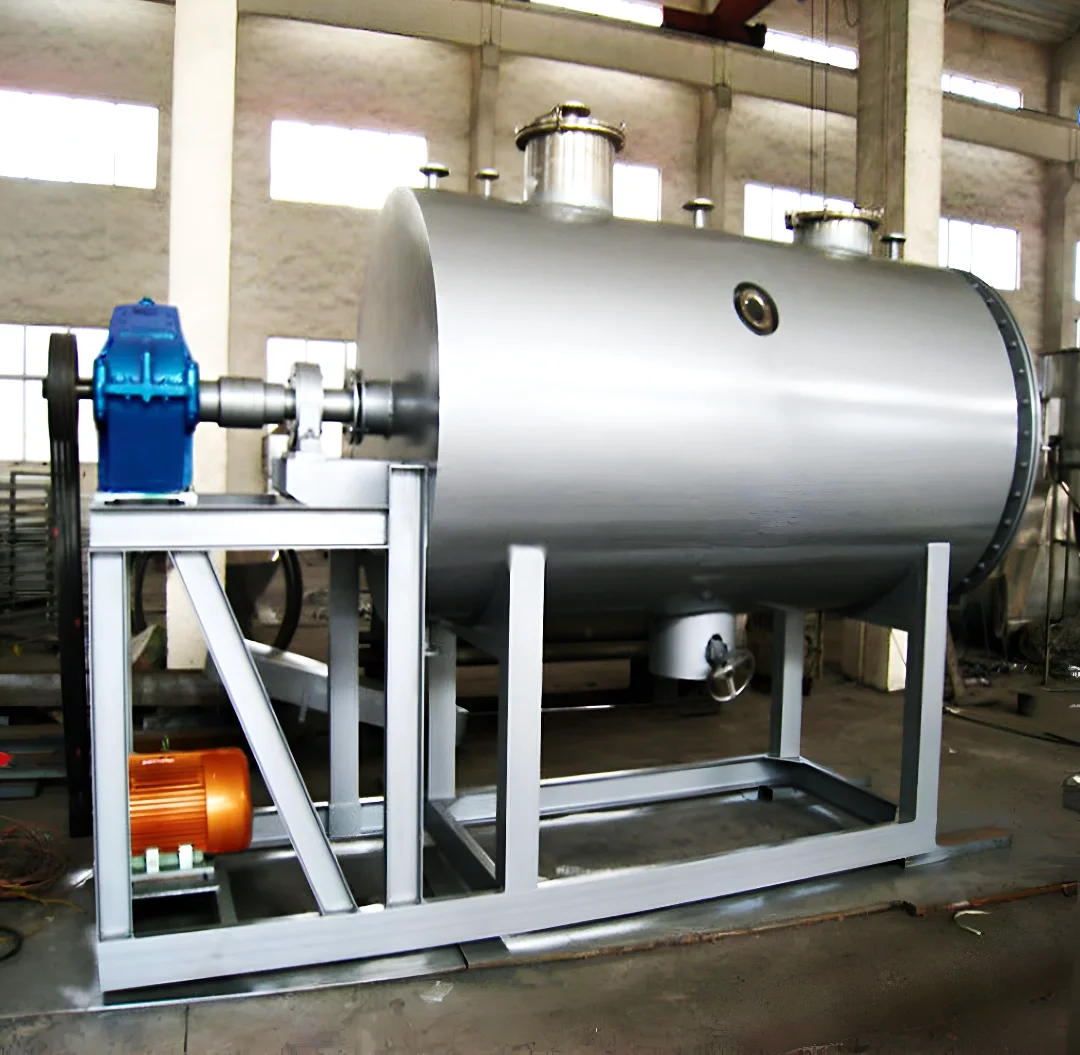
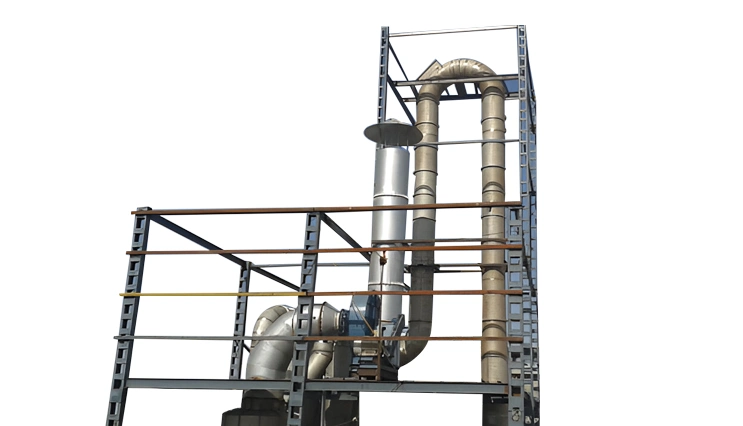
To dry sodium salt of BDSA, GEM recommends the Paddle Dryer. Rotary Vacuum Dryer and Flash Dryer are used when the feed or site calls for it. Every project starts with a pilot trial on your own sample.
A paddle dryer dries BDSA sodium salt indirectly in a sealed body with continuous agitation, preventing lumps and containing dust. Rotary vacuum dryers suit smaller batches; flash drying is considered only where dust containment is adequate.
| Recommended dryer | Paddle Dryer |
| Alternatives | Rotary Vacuum Dryer, Flash Dryer |
| Application area | Dyes, Pigments & Intermediates |
| Industries | Dyes, Pigments & Inks, Chemicals & Specialty Chemicals |
Contained drying protects workers and supports compliance obligations for aromatic intermediates. Consistent moisture and assay reduce variation in the downstream synthesis that uses the product.
Plants searching for a BDSA sodium salt dryer or comparing a BDSA drying usually need three answers: which dryer fits, what it costs to run, and how fast it pays back. For Sodium Salt of BDSA, we start from your throughput, current moisture and the target, trial a sample on the Paddle Dryer, and return a sized recommendation with a budget quotation for your dyes and chemicals operation.
We trial your material in our pilot facility before any equipment decision, then size the dryer from real data.
Describe it in the form, or Message an Engineer directly →