Chocolate Crumb Drying

8-12% → 0.8-1.5% moisture. About 10% of the feed weight leaves as water, giving a friable crumb that mills cleanly and stores for a year.

  • Pilot trial on your own sample
  • 112+ installations in 7 countries
  • Engineer replies in 1 working day

Chocolate crumb drying takes the cooked paste of sweetened condensed milk, sugar and cocoa liquor down to 0.8-1.5% moisture. The drying step is not only water removal: time and temperature on the belt develop the cooked-milk flavour that distinguishes crumb chocolate from chocolate made by mixing milk powder.

Quick answer

To dry chocolate crumb, GEM recommends the Band Dryer (Beltotherm) and Industrial Cooler. Typical moisture is 8-12% in the feed and 0.8-1.5% after drying. Tunnel & Belt Oven and Tray Dryers are used when the feed or site calls for it. Every project starts with a pilot trial on your own sample.

1998established112+installations7countriesDried & Testedin-house pilot trialsCertifications · Case studies
The challenge

What makes Chocolate Crumb hard to dry

  • The paste is sticky and thermoplastic, so it spreads, clings to the belt and needs a release surface rather than a bare mesh.
  • Flavour is made in the dryer, so time and temperature are a recipe to be held, not a variable to be shortened for capacity.
  • Too fast a start case-hardens the slab, trapping water that later shows up as a soft centre and a short shelf life.
  • Fat migrates to the surface if the slab runs hot, which shows as bloom and as deposits in the air circuit.
How GEM dries it

The right dryer for Chocolate Crumb

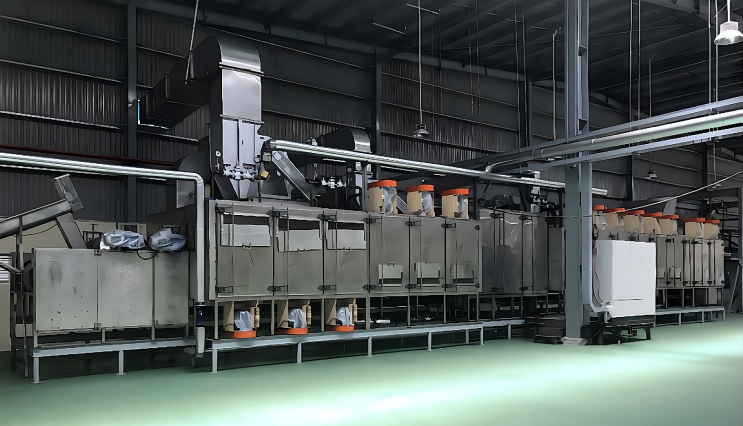
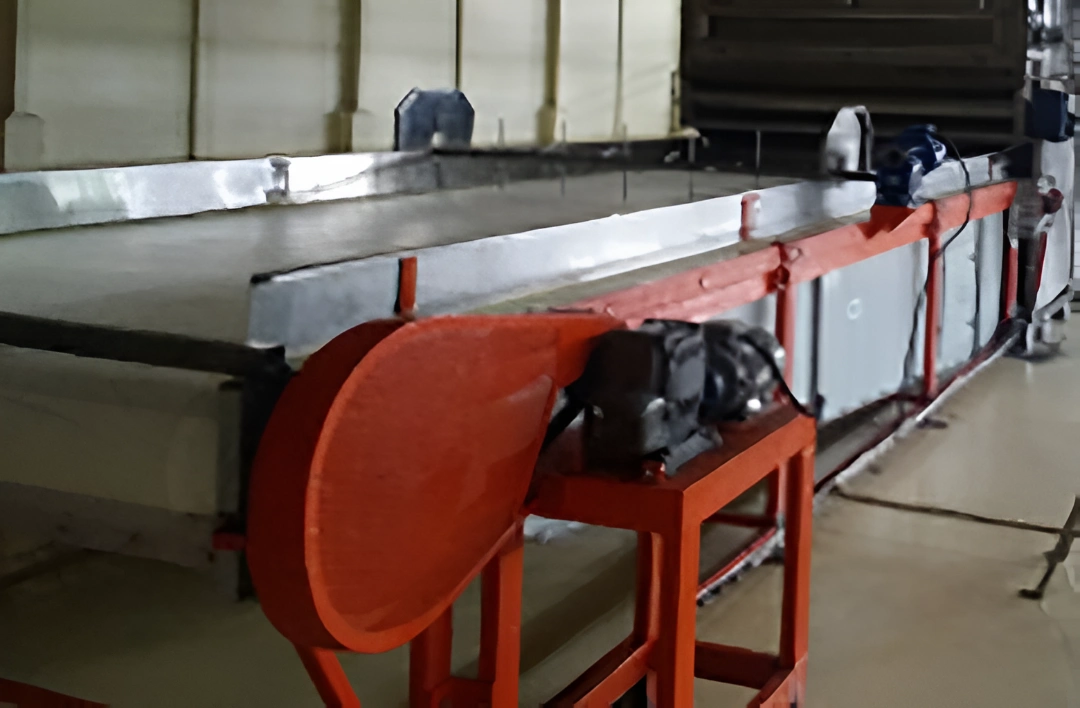
A band dryer is the classic crumb machine: the paste is laid as a controlled slab on a continuous belt and carried through staged zones that remove water slowly enough to build flavour and colour. A cooler after the dryer sets the slab so it breaks into a friable crumb instead of smearing, and keeps fat from blooming before milling.

Typical feed moisture8-12%
Typical target moisture0.8-1.5%
Recommended dryerBand Dryer (Beltotherm)
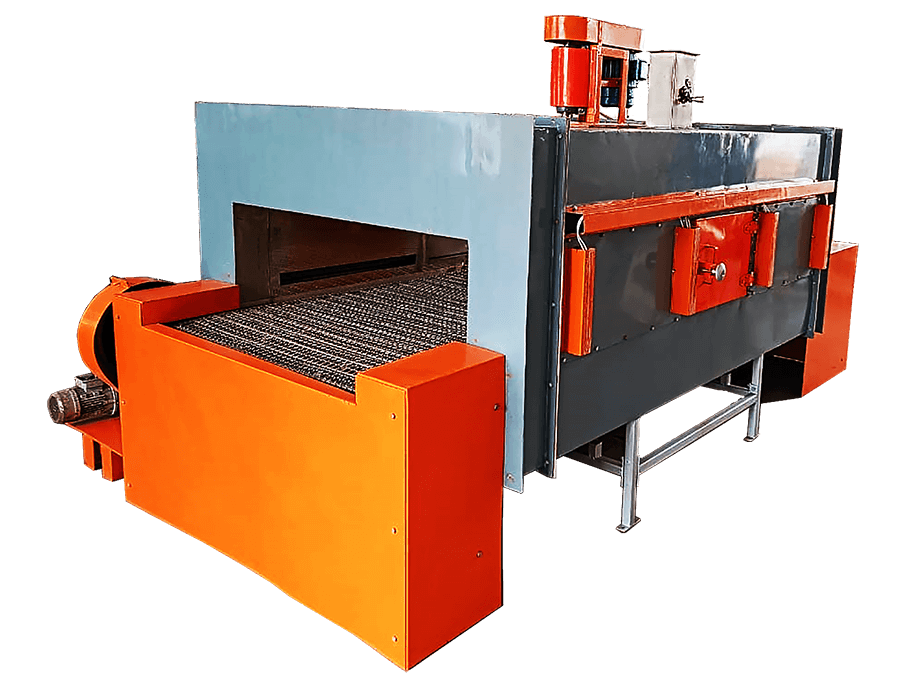
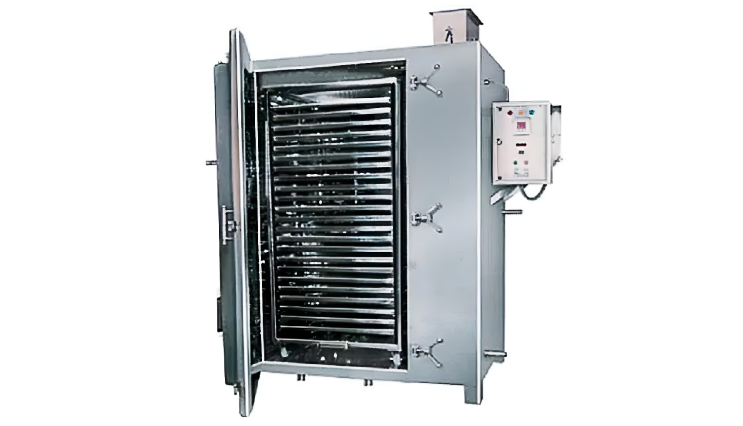
AlternativesTunnel & Belt Oven, Tray Dryers
Application areaFood Products & Snacks
IndustriesFood & Beverage
The value

What drying Chocolate Crumb unlocks

Crumb at 0.8-1.5% moisture keeps for about a year, which lets a dairy make crumb where the milk is and ship it to a chocolate plant anywhere. The caramelised, cooked-milk note built on the belt is the reason crumb chocolate tastes the way it does and cannot be matched by dry-mixing powder.

Dried Chocolate Crumb becomes

  • Milk crumb for milk chocolate
  • Dark and high-cocoa crumb
  • White and cocoa-free crumb
For buyers

Buying a Chocolate Crumb dryer?

Plants searching for a chocolate crumb dryer or comparing a milk crumb band dryer usually need three answers: which dryer holds the flavour recipe, what it costs to run, and how it handles a sticky slab. For chocolate crumb we start from your throughput, recipe, current moisture (typically 8-12%) and the target (0.8-1.5%), trial your own paste on the Band Dryer, and return a sized recommendation with a budget quotation for your confectionery plant.

FAQ

Chocolate Crumb: questions buyers ask

Why dry crumb at all instead of mixing milk powder?
Because the flavour is made during drying. Holding the paste at controlled temperature for a controlled time develops caramelised, cooked-milk notes that dry-mixed chocolate does not have.
What moisture should crumb leave at?
0.8-1.5% for a crumb that mills cleanly and keeps for about a year. Above that the crumb cakes in storage; far below it the flavour development has usually been pushed too hard.
How is a sticky slab kept off the belt?
With a release belt surface, a controlled slab thickness and a gentle first zone. Getting the slab laid evenly matters more than installed drying power.
Is a cooler really necessary?
Yes, if the crumb is to break rather than smear. Cooling sets the fat and makes the slab friable, which is what gives a clean break and a consistent particle size at the mill.
Related

Related materials

Compare all 21 materials in Food Products & Snacks.

Send us a sample. See it dried.

We trial your material in our pilot facility before any equipment decision, then size the dryer from real data.

  1. Tell us the material, moisture and throughput.
  2. An engineer confirms the trial plan and sample shipping.
  3. You get drying data and a sized recommendation with a budget quotation.

Material not listed? Talk to our technical expert.

Describe it in the form, or directly →

Request a trial or quotation

    An engineer replies within one working day. We never share your details.

    Chat with GEM Drytech on WhatsApp