30–60% → 10–20% moisture. About 35% of the feed weight leaves as water, so the product meets spec and handles freely.
Coal drying raises the usable heat of lignite and sub-bituminous coal, which can carry a large share of water. Removing it before combustion or gasification lifts boiler efficiency and cuts freight, but coal is combustible and its dust is explosive, so contained indirect drying is the safer route.
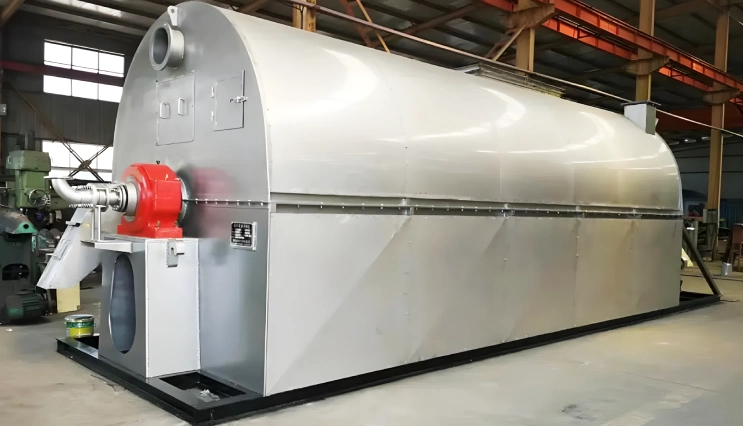
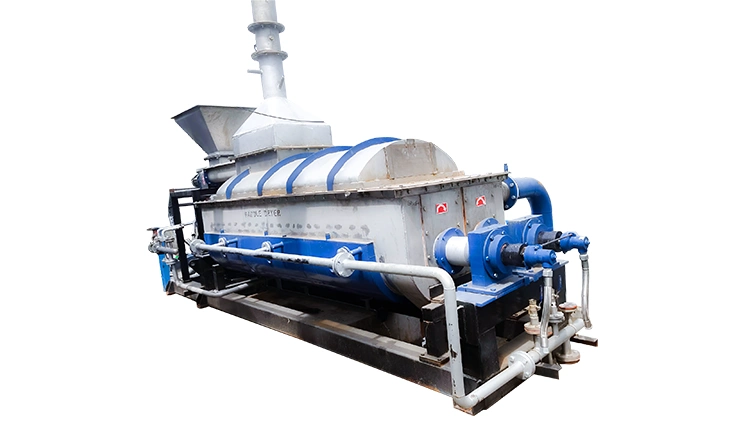
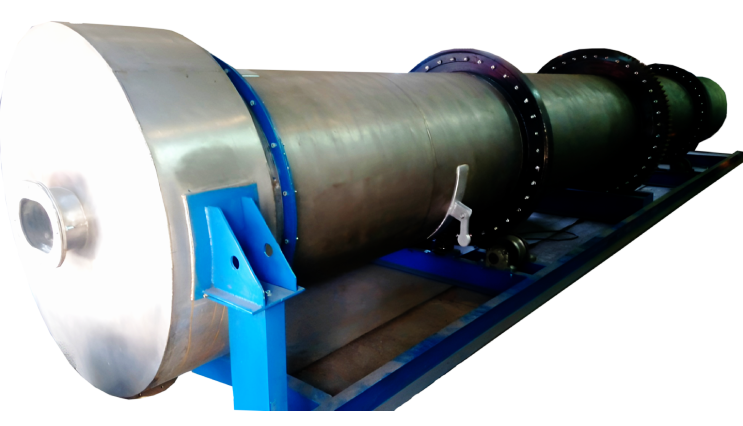
To dry lignite & High-Moisture coal, GEM recommends the Rotary Tube Bundle Dryer. Typical moisture is 30–60% in the feed and 10–20% after drying. Paddle Dryer and Direct / Indirect Rotary Dryer are used when the feed or site calls for it. Every project starts with a pilot trial on your own sample.
A steam tube dryer heats coal indirectly in a low-oxygen atmosphere, limiting fire and explosion risk and allowing use of low-pressure steam. Paddle dryers suit wet, sticky coal fines, and indirect rotary dryers are considered when flue gas heat is available.
| Typical feed moisture | 30–60% |
| Typical target moisture | 10–20% |
| Recommended dryer | Rotary Tube Bundle Dryer |
| Alternatives | Paddle Dryer, Direct / Indirect Rotary Dryer |
| Application area | Minerals, Ores & Ceramics |
| Industries | Minerals, Mining & Ceramics, Biomass, Bioenergy & Recycling |
Each point of moisture removed raises net heating value, improves boiler efficiency and lowers freight. Using waste steam for drying improves overall plant energy balance.
Plants searching for a lignite dryer or comparing a coal dryer usually need three answers: which dryer fits, what it costs to run, and how fast it pays back. For Lignite & High-Moisture Coal, we start from your throughput, current moisture (typically 30–60%) and the target (10–20%), trial a sample on the Rotary Tube Bundle Dryer, and return a sized recommendation with a budget quotation for your minerals and biomass operation.
We trial your material in our pilot facility before any equipment decision, then size the dryer from real data.
Describe it in the form, or Message an Engineer directly →