Chlorinated Wax Flaking

  • Pilot trial on your own sample
  • 112+ installations in 7 countries
  • Engineer replies in 1 working day

Chlorinated wax drying applies to the solid 70% chlorinated paraffin grade, which leaves the reactor as a viscous, resin-like melt and is turned into flakes or powder for flame retardant use. The product releases hydrogen chloride if overheated, so flaking temperatures and dwell time must stay within safe limits.

Quick answer

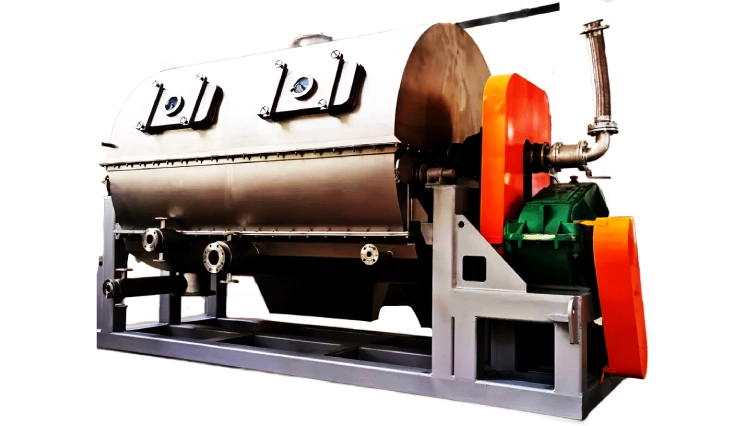
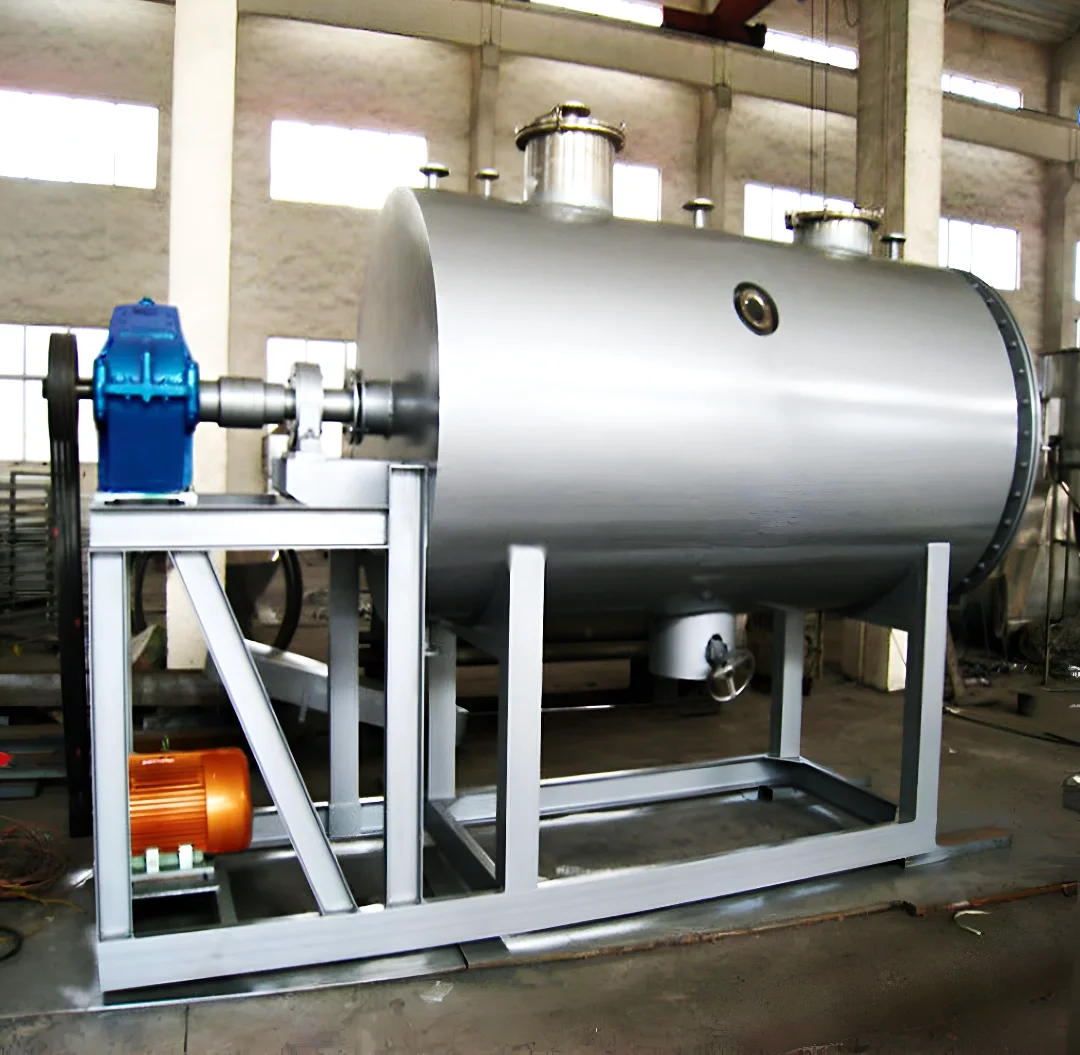
To dry chlorinated wax, GEM recommends the Drum Flaker. Rotary Vacuum Dryer is used when the feed or site calls for it. Every project starts with a pilot trial on your own sample.

1998established112+installations7countriesDried & Testedin-house pilot trialsCertifications · Case studies
The challenge

What makes Chlorinated Wax hard to dry

  • Holding the melt hot for too long releases hydrogen chloride and darkens the product.
  • Released hydrogen chloride corrodes drums, knives and hoods, so contact parts need corrosion-resistant materials and extraction.
  • Tacky, lower-melting fractions in the wax can stick to the drum surface and build up on the knife.
  • Flakes soften and block in hot warehouses if not cooled fully before bagging.
How GEM dries it

The right dryer for Chlorinated Wax

A cooled drum flaker solidifies the melt quickly, limiting thermal stress and HCl release. A rotary vacuum dryer is used where residual solvent or volatile matter must be stripped from a grade before or after solidification.

Recommended dryerDrum Flaker
AlternativesRotary Vacuum Dryer
Application areaChemicals & Salts
IndustriesChemicals & Specialty Chemicals, Polymers, Rubber & Resins
The value

What drying Chlorinated Wax unlocks

Flaked CPW 70 handles and doses more easily than a block or melt, opens solid-product export markets, and stable flaking reduces colour complaints from customers in the plastics trade.

Dried Chlorinated Wax becomes

  • Flame retardant for plastics and rubber
  • PVC secondary plasticiser
  • Paint and coating additive
  • Adhesive and sealant modifier
For buyers

Buying a Chlorinated Wax dryer?

Plants searching for a chlorinated paraffin wax flaker or comparing a CPW 70 flakes usually need three answers: which dryer fits, what it costs to run, and how fast it pays back. For Chlorinated Wax, we start from your throughput, current moisture and the target, trial a sample on the Drum Flaker, and return a sized recommendation with a budget quotation for your chemicals and polymers operation.

FAQ

Chlorinated Wax: questions buyers ask

Can liquid chlorinated paraffin grades be flaked?
No. Only high-chlorine solid grades such as CPW 70 solidify into flakes. Liquid grades are handled as liquids. A flaker is only proposed for grades that are solid at room temperature.
How do you prevent HCl corrosion?
Melt temperature and hold time are kept low and contact parts are selected for chloride exposure. Fume extraction is included. Duct materials are also chosen for chloride exposure.
Related

Related materials

Compare all 31 materials in Chemicals & Salts.

Send us a sample. See it dried.

We trial your material in our pilot facility before any equipment decision, then size the dryer from real data.

  1. Tell us the material, moisture and throughput.
  2. An engineer confirms the trial plan and sample shipping.
  3. You get drying data and a sized recommendation with a budget quotation.

Material not listed? Talk to our technical expert.

Describe it in the form, or directly →

Request a trial or quotation

    An engineer replies within one working day. We never share your details.

    Chat with GEM Drytech on WhatsApp