Magnesium Chloride Flaking and Drying

  • Pilot trial on your own sample
  • 112+ installations in 7 countries
  • Engineer replies in 1 working day

Magnesium chloride drying usually means producing hexahydrate flakes from a concentrated melt, because the salt pulls in moisture from air faster than almost any other common chemical. Overheating in hot air drives off hydrolysis products, including hydrogen chloride, so flaking is preferred to aggressive evaporative drying.

Quick answer

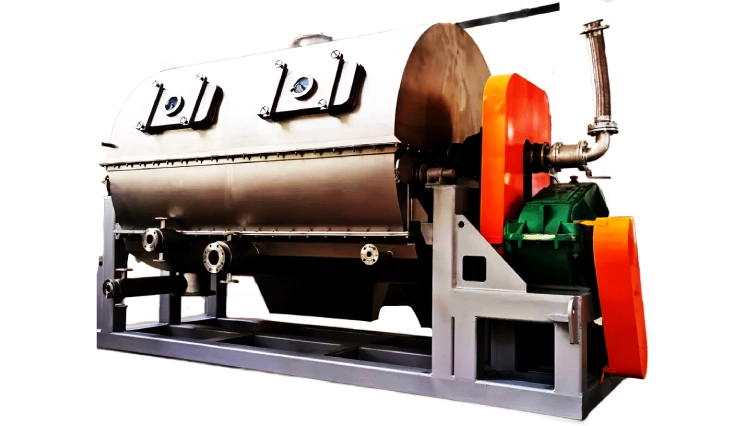
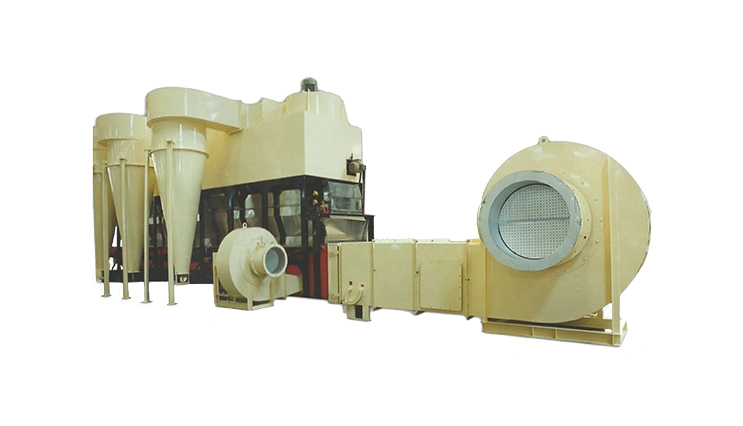
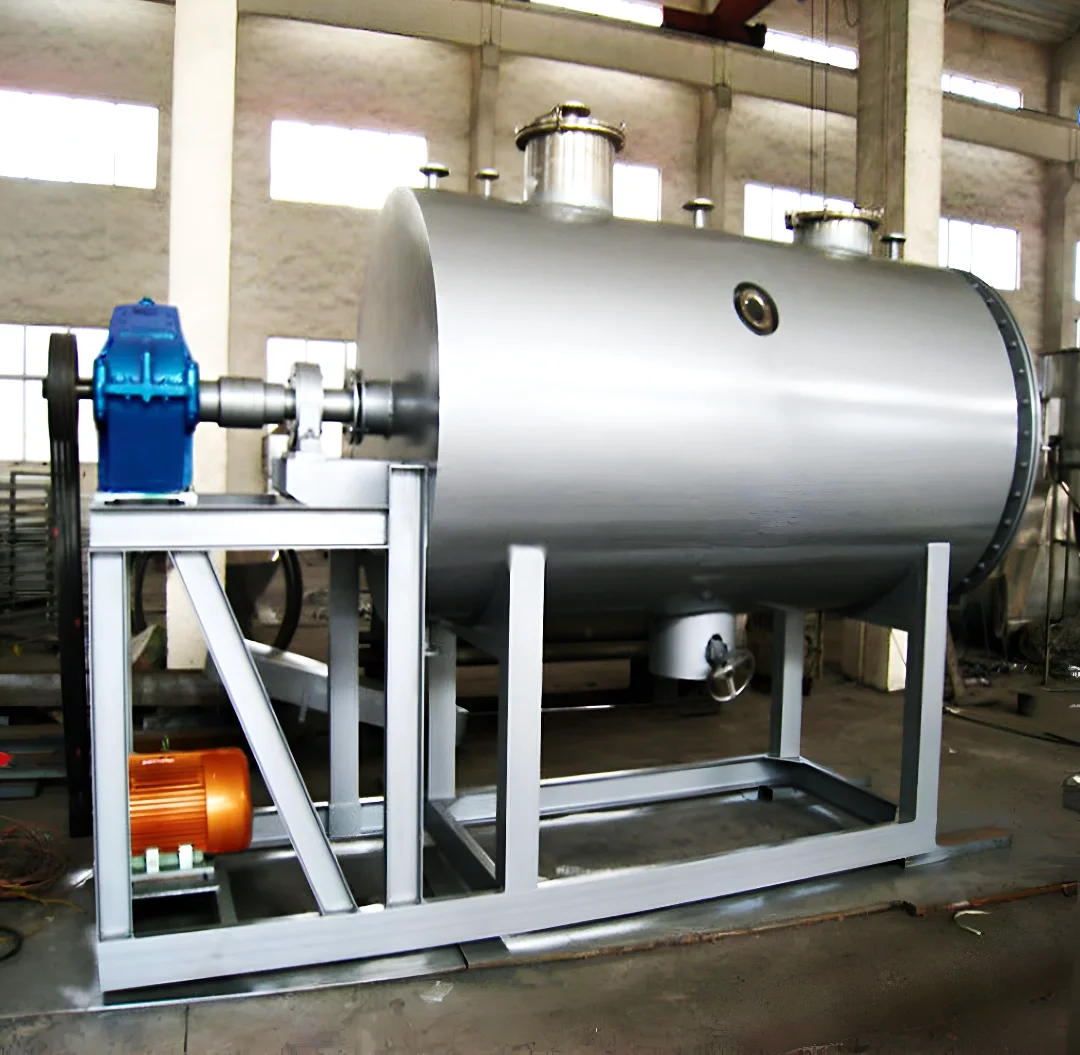
To dry magnesium chloride, GEM recommends the Drum Flaker. Vibratory Fluid Bed Dryer and Rotary Vacuum Dryer are used when the feed or site calls for it. Every project starts with a pilot trial on your own sample.

1998established112+installations7countriesDried & Testedin-house pilot trialsCertifications · Case studies
The challenge

What makes Magnesium Chloride hard to dry

  • Strongly hygroscopic flakes turn liquid on the surface within hours in humid air.
  • Heating beyond the hexahydrate stage releases hydrogen chloride gas and leaves insoluble magnesium oxychloride in the product.
  • Hot chloride-rich melt causes pitting in common stainless steels, so drum and knife materials need careful selection.
  • Flakes must move quickly into moisture-tight bags, or they soften and form lumps during storage and transit.
How GEM dries it

The right dryer for Magnesium Chloride

A drum flaker solidifies the concentrated melt into hexahydrate flakes directly, without boiling off water in hot air. Fluid bed drying is used only for surface-wet crystal grades at mild temperature; vacuum drying suits small specialty or pharmaceutical batches.

Recommended dryerDrum Flaker
AlternativesVibratory Fluid Bed Dryer, Rotary Vacuum Dryer
Application areaChemicals & Salts
IndustriesChemicals & Specialty Chemicals
The value

What drying Magnesium Chloride unlocks

Uniform flakes reduce dust and handling losses, keep moisture pick-up predictable in bags, and allow brine by-product from salt works to be sold as a packaged chemical rather than discharged.

Dried Magnesium Chloride becomes

  • Dust suppression and road de-icing
  • Magnesium oxychloride cement
  • Textile and paper processing
  • Food-grade coagulant (nigari)
For buyers

Buying a Magnesium Chloride dryer?

Plants searching for a magnesium chloride flaker or comparing a magnesium chloride flakes plant usually need three answers: which dryer fits, what it costs to run, and how fast it pays back. For Magnesium Chloride, we start from your throughput, current moisture and the target, trial a sample on the Drum Flaker, and return a sized recommendation with a budget quotation for your chemicals operation.

FAQ

Magnesium Chloride: questions buyers ask

Can magnesium chloride be dried to anhydrous form?
Simple air or vacuum drying cannot make true anhydrous product without hydrolysis. Commercial flakes are hexahydrate, which is what a flaker produces. Anhydrous grades require specialised dehydration processes beyond a dryer.
Is bittern from salt pans suitable for flaking?
Bittern needs purification and concentration first. Sample analysis decides whether the melt will flake cleanly. Sulphate and bromide content in bittern can affect flake hardness and colour, so analysis comes first.

Send us a sample. See it dried.

We trial your material in our pilot facility before any equipment decision, then size the dryer from real data.

  1. Tell us the material, moisture and throughput.
  2. An engineer confirms the trial plan and sample shipping.
  3. You get drying data and a sized recommendation with a budget quotation.

Material not listed? Talk to our technical expert.

Describe it in the form, or directly →

Request a trial or quotation

    An engineer replies within one working day. We never share your details.

    Chat with GEM Drytech on WhatsApp