Fibre Drying

  • Pilot trial on your own sample
  • 112+ installations in 7 countries
  • Engineer replies in 1 working day

Fibre drying handles loose staple fibre after washing, spin finish application or dyeing, as in viscose, polyester, acrylic and cotton processing. Fibre forms an open, permeable mat, which suits through-air drying, but uneven layer thickness and fibre entanglement can easily create wet patches and inconsistent quality.

Quick answer

To dry fibres, GEM recommends the Band Dryer (Beltotherm) and Multi-Pass Conveyor Dryer. Mesh Belt Dryer is used when the feed or site calls for it. Every project starts with a pilot trial on your own sample.

1998established112+installations7countriesDried & Testedin-house pilot trialsCertifications · Case studies
The challenge

What makes Fibres hard to dry

  • Uneven fibre mats create wet spots and over-dried areas in the same layer.
  • Excess heat can yellow fibres or affect spin finish and dye shade.
  • Loose fibre can be carried into exhaust ducts, creating fire risk and losses.
  • Viscose and cotton must leave the dryer at a specified moisture regain, so over-drying is also a defect.
How GEM dries it

The right dryer for Fibres

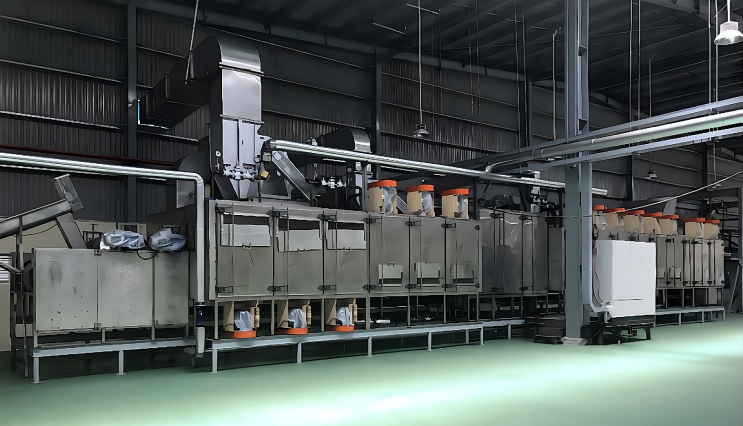
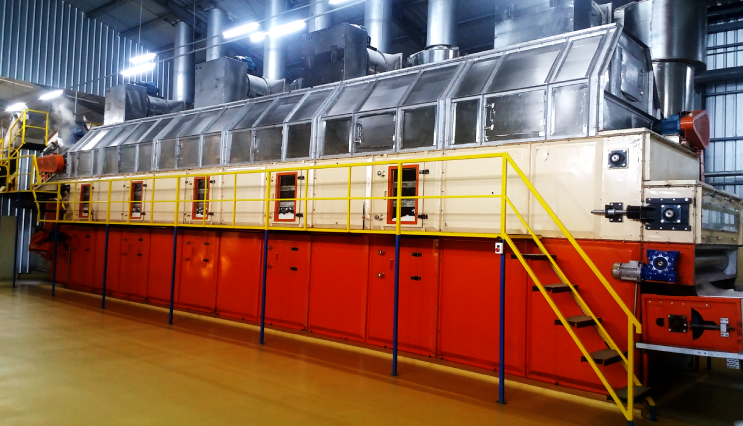
A band dryer carries an even fibre mat through zoned through-air drying, controlling moisture and colour. A multi-pass dryer suits long residence in limited space, and a mesh belt dryer is used for economical drying of less sensitive fibres.

Recommended dryerBand Dryer (Beltotherm), Multi-Pass Conveyor Dryer
AlternativesMesh Belt Dryer
Application areaPolymers, Plastics & Resins
IndustriesPolymers, Rubber & Resins, Textile & Dye Houses
The value

What drying Fibres unlocks

Even fibre moisture improves carding and spinning performance and reduces shade variation. Controlled drying also avoids over-drying, which wastes energy and can damage fibre properties.

Dried Fibres becomes

  • Viscose staple fibre
  • Polyester staple fibre
  • Dyed loose fibre for spinning
For buyers

Buying a Fibres dryer?

Plants searching for a fibre dryer or comparing a staple fibre drying machine usually need three answers: which dryer fits, what it costs to run, and how fast it pays back. For Fibres, we start from your throughput, current moisture and the target, trial a sample on the Band Dryer, and return a sized recommendation with a budget quotation for your polymers and textile operation.

FAQ

Fibres: questions buyers ask

What moisture should viscose fibre reach?
Viscose is commonly sold with a specified moisture regain, often around 11–13%. Drying targets are set to your specification rather than bone dry.
How do you prevent fibre carryover into exhaust?
Air velocity across the mat is controlled, and screens or filters capture loose fibre before the fan. Scheduled cleaning of ducts and screens also reduces fire risk from fibre build-up.
Related

Related materials

Compare all 10 materials in Polymers, Plastics & Resins.

Send us a sample. See it dried.

We trial your material in our pilot facility before any equipment decision, then size the dryer from real data.

  1. Tell us the material, moisture and throughput.
  2. An engineer confirms the trial plan and sample shipping.
  3. You get drying data and a sized recommendation with a budget quotation.

Material not listed? Talk to our technical expert.

Describe it in the form, or directly →

Request a trial or quotation

    An engineer replies within one working day. We never share your details.

    Chat with GEM Drytech on WhatsApp