Zirconium Hydroxide Drying

  • Pilot trial on your own sample
  • 112+ installations in 7 countries
  • Engineer replies in 1 working day

Zirconium hydroxide drying works with a gelatinous, high-moisture filter cake precipitated from zirconium oxychloride or sulphate solutions. The hydroxide is a precursor for zirconia ceramics, catalysts and zirconium chemicals, and the way it is dried decides surface area, agglomerate strength and how well it calcines later.

Quick answer

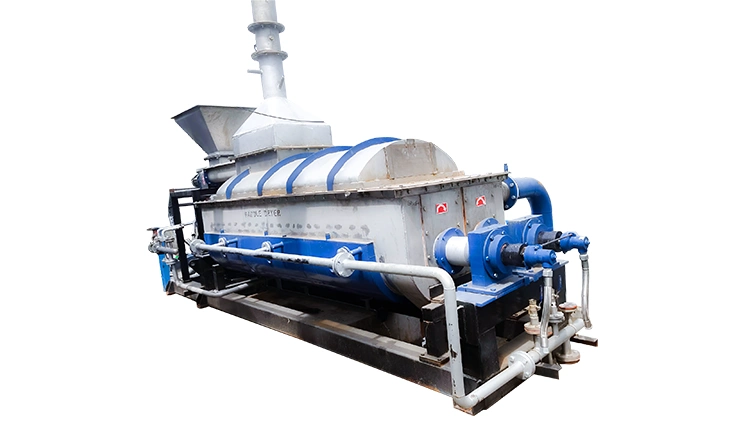
To dry zirconium hydroxide, GEM recommends the Paddle Dryer. Flash Dryer and Rotary Vacuum Dryer are used when the feed or site calls for it. Every project starts with a pilot trial on your own sample.

1998established112+installations7countriesDried & Testedin-house pilot trialsCertifications · Case studies
The challenge

What makes Zirconium Hydroxide hard to dry

  • The gel-like cake holds a lot of water and passes through a sticky paste phase during drying.
  • Hard agglomerates form if drying is uneven, causing problems in milling and calcining.
  • Residual chloride or sulphate from precipitation must be washed out before drying.
  • Ceramic and dental grades require very low iron and silica pick-up, which restricts equipment materials and wear.
How GEM dries it

The right dryer for Zirconium Hydroxide

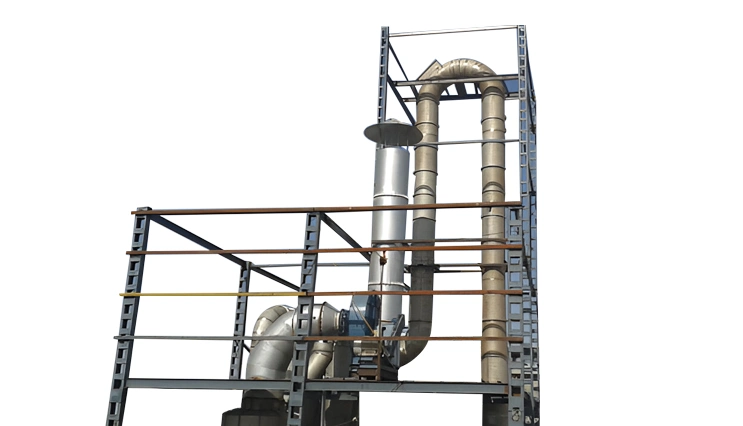
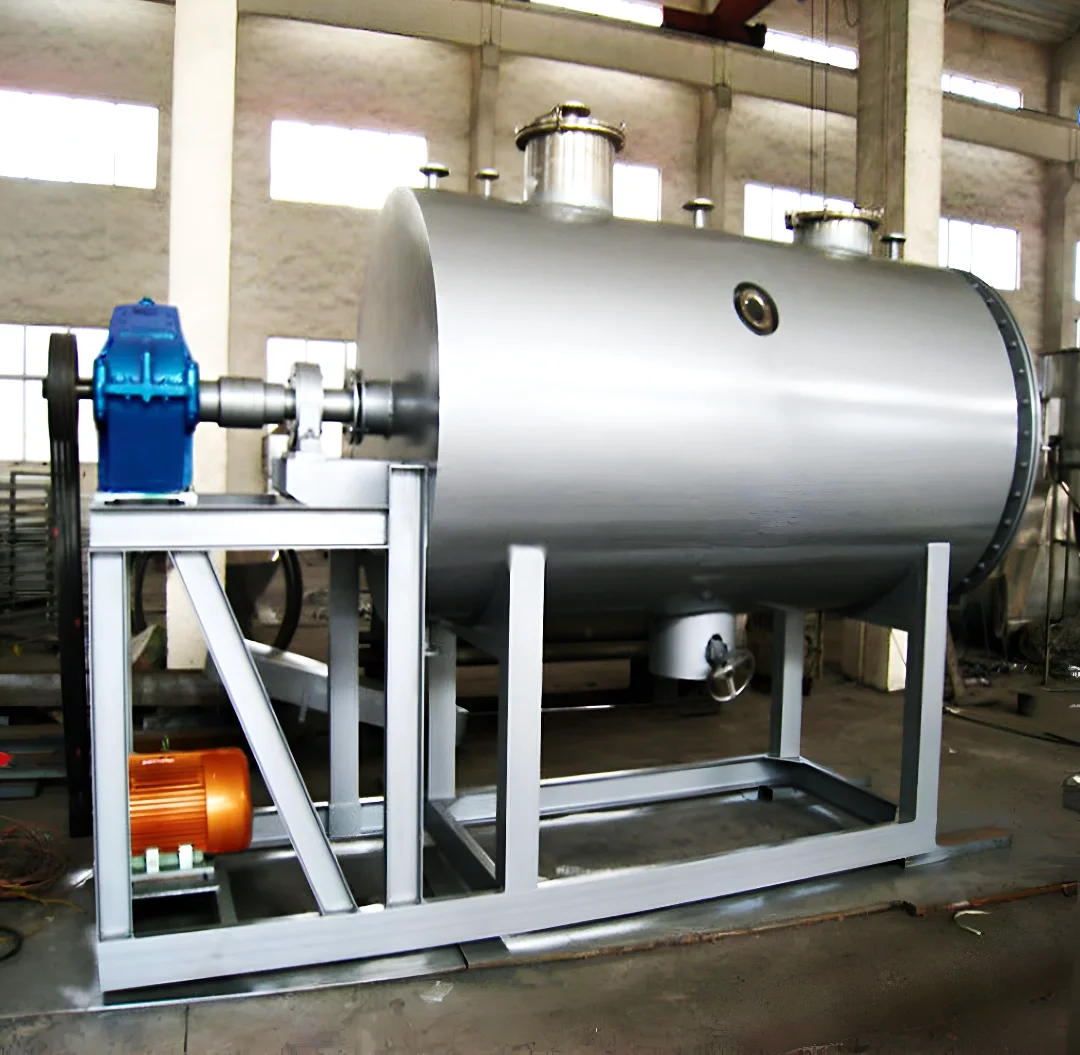
A paddle dryer kneads the sticky cake through its paste phase with indirect heating and low gas flow, giving controlled drying. A flash dryer with back-mixing suits large volumes of pre-conditioned cake; a rotary vacuum dryer fits small high-purity batches.

Recommended dryerPaddle Dryer
AlternativesFlash Dryer, Rotary Vacuum Dryer
Application areaChemicals & Salts
IndustriesChemicals & Specialty Chemicals, Minerals, Mining & Ceramics
The value

What drying Zirconium Hydroxide unlocks

Controlled drying gives precursor powder that mills and calcines predictably, protecting the value of high-purity zirconia sold into ceramic, dental and catalyst markets. It also reduces milling energy and rework.

Dried Zirconium Hydroxide becomes

  • Zirconia ceramic and dental powders
  • Catalyst and catalyst support
  • Zirconium carbonate and sulphate production
  • Ion exchange and adsorbent media
For buyers

Buying a Zirconium Hydroxide dryer?

Plants searching for a zirconium hydroxide dryer or comparing a zirconium hydroxide drying usually need three answers: which dryer fits, what it costs to run, and how fast it pays back. For Zirconium Hydroxide, we start from your throughput, current moisture and the target, trial a sample on the Paddle Dryer, and return a sized recommendation with a budget quotation for your chemicals and minerals operation.

FAQ

Zirconium Hydroxide: questions buyers ask

How do you handle the sticky stage of zirconium hydroxide?
Paddle dryers knead the paste and back-mixing with dry product helps flash dryers. A trial shows which route suits your cake. Washing chloride out first also reduces stickiness.
Does drying affect surface area?
Yes. Temperature and drying rate influence agglomeration and surface area, so trials are used to set conditions. Surface area is measured on trial samples after calcination to guide drying settings.

Send us a sample. See it dried.

We trial your material in our pilot facility before any equipment decision, then size the dryer from real data.

  1. Tell us the material, moisture and throughput.
  2. An engineer confirms the trial plan and sample shipping.
  3. You get drying data and a sized recommendation with a budget quotation.

Material not listed? Talk to our technical expert.

Describe it in the form, or directly →

Request a trial or quotation

    An engineer replies within one working day. We never share your details.

    Chat with GEM Drytech on WhatsApp