60–75% → 1–3% moisture. About 65% of the feed weight leaves as water, so the product meets spec and handles freely.
Magnesium carbonate drying is defined by bulk density. Light basic magnesium carbonate holds a lot of water in a voluminous cake and is sold for its low density, while heavy grades are denser. The dryer must remove water without decomposing the carbonate or compacting the light grade.
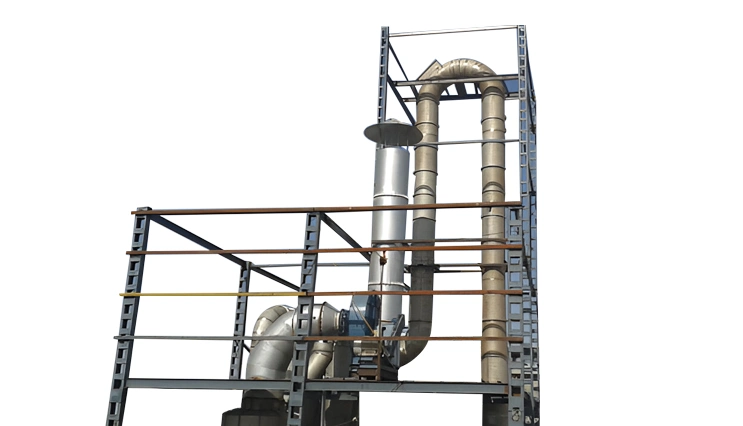
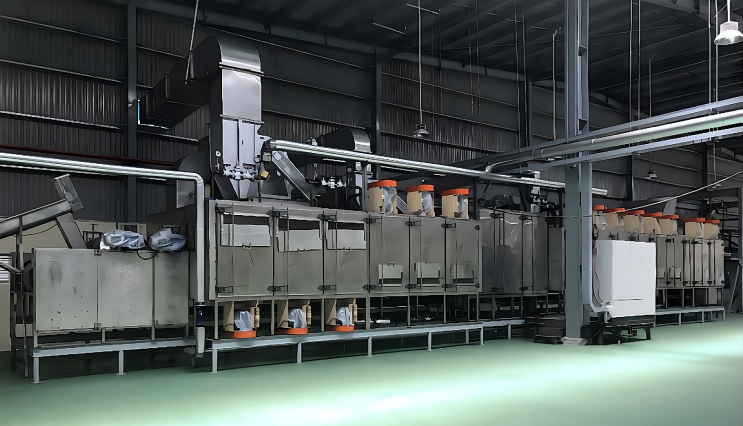
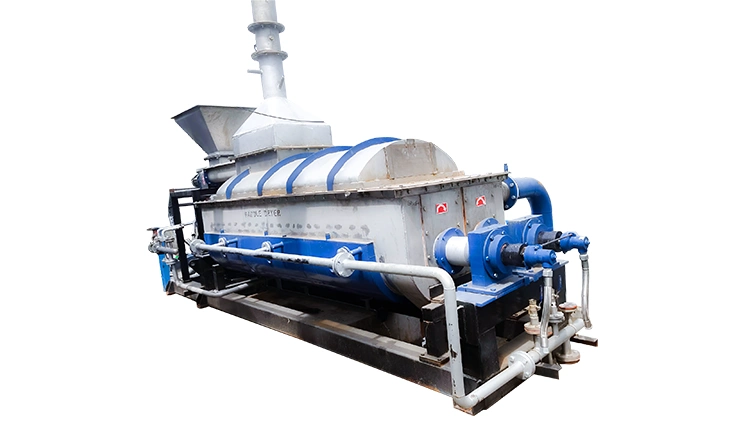
To dry magnesium carbonate, GEM recommends the Flash Dryer. Typical moisture is 60–75% in the feed and 1–3% after drying. Band Dryer and Paddle Dryer are used when the feed or site calls for it. Every project starts with a pilot trial on your own sample.
A flash dryer with gentle disintegration dries fine magnesium carbonate quickly at moderate product temperature. A band dryer with an extruded cake keeps light grades low in density with little mechanical stress, and a paddle dryer suits pasty cake needing indirect heating.
| Typical feed moisture | 60–75% |
| Typical target moisture | 1–3% |
| Recommended dryer | Flash Dryer |
| Alternatives | Band Dryer, Paddle Dryer |
| Application area | Minerals, Ores & Ceramics |
| Industries | Minerals, Mining & Ceramics, Chemicals & Specialty Chemicals |
Correct drying protects density and purity, which set the price of light magnesium carbonate grades. Dry powder also stores and ships well, avoiding transport of a cake that is mostly water.
Plants searching for a magnesium carbonate dryer or comparing a light magnesium carbonate drying usually need three answers: which dryer fits, what it costs to run, and how fast it pays back. For Magnesium Carbonate, we start from your throughput, current moisture (typically 60–75%) and the target (1–3%), trial a sample on the Flash Dryer, and return a sized recommendation with a budget quotation for your minerals and chemicals operation.
We trial your material in our pilot facility before any equipment decision, then size the dryer from real data.
Describe it in the form, or Message an Engineer directly →