


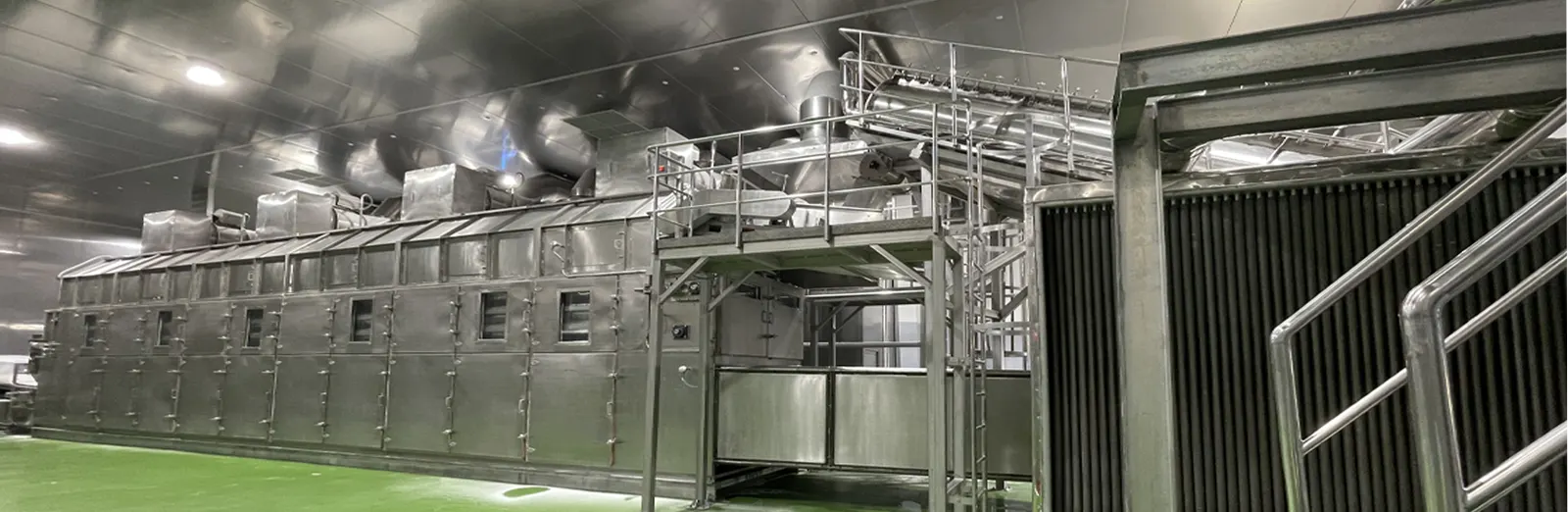
A wastewater sludge belt drying project needs a consistent design basis before equipment can be sized. This checklist helps a plant team collect the information needed for a process review. It supports an enquiry; it does not replace material testing or a detailed engineering assessment.
1. Describe the feed entering the dryer
Identify the sludge source and treatment process, the upstream dewatering equipment and how the sludge will reach the dryer. Record the expected wet feed rate, inlet moisture or dry-solids content, variation during operation and any existing analysis.
State the moisture basis explicitly. If figures are estimates, label them as estimates and explain how they were obtained. Note any observed stickiness, lumps or changes in handling behaviour.
2. Define the required dried product
Specify the target moisture, operating hours, intended handling method and destination of the dried material. State any known product, storage or downstream-process requirements. Suitability for a proposed destination must be established separately by the responsible project team.
3. Record utilities and site constraints
Provide the available heating utilities and their operating conditions, electrical supply, plant layout, access restrictions and any limits on equipment height or footprint. Identify whether waste heat is proposed and what information is available about its temperature, flow and operating schedule.
List site requirements for exhaust collection, treatment, noise, controls and plant integration. These items should be included in the engineering review and supply-scope discussion.
4. Review feeding, discharge and plant integration
Describe upstream storage, transfer and feed preparation, along with the proposed discharge, conveying and storage arrangement. Identify who will supply each part of the system. A dryer quotation should be assessed against those same boundaries.
5. Select the questions for a material trial
Where a trial is needed, agree which material characteristics and process uncertainties it must resolve. Confirm the sample requirements and measurements with the trial team before arranging delivery.
Use the pilot trial enquiry to discuss a suitable test programme. Trial results should inform the final design basis rather than be treated as an unconditional guarantee for every feed condition.
6. Review the proposed equipment against the duty
Start with our sludge and biosolids belt dryer overview. For equipment construction, review the band dryer and mesh belt dryer pages with the process team. The project review should establish which configuration suits the assessed feed and site constraints.
Send a complete project enquiry
Bring together the feed and product data, utility information, layout, operating schedule and scope responsibilities. Highlight missing information and the decisions that depend on a trial.
Discuss your wastewater sludge drying project with GEM Drytech. For supplier comparisons, use the separate sludge dryer manufacturer evaluation guide.
