


Choosing a sludge dryer manufacturer starts with a clear process specification. A meaningful comparison needs the same feed, moisture targets, operating hours and supply boundaries for each proposal. This guide sets out the questions to ask before comparing equipment quotations.
Define the duty before comparing suppliers
Record the sludge source, wet feed rate, inlet and target moisture on an agreed basis, operating schedule and available utilities. Include any known changes between batches. Share representative analysis, handling observations and safety information with the suppliers being evaluated.
Ask each supplier to state assumptions and exclusions. A price based on a different feed condition or moisture basis is not directly comparable.
Ask how the drying technology will be selected
Discuss why a particular technology is being proposed for your material. The assessment should consider material behaviour, heating method, feed preparation, required product handling and the plant’s operating constraints.
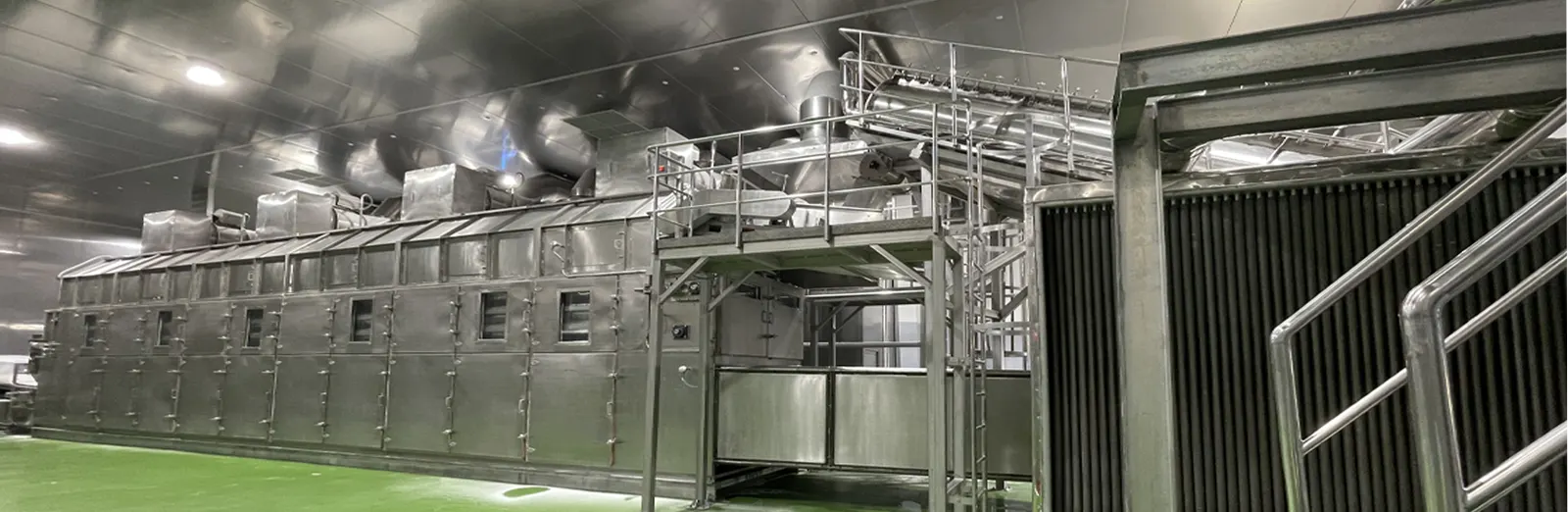
For continuous belt equipment, see our sludge and biosolids belt drying overview. Where another arrangement is being considered, review the relevant industrial drying technologies with the process team.
Agree what a pilot trial must establish
A trial should answer specific questions rather than simply demonstrate that water can be removed. Agree the sample condition, measurements, target product condition and evidence needed to progress to detailed design.
Discuss the pilot drying trial requirements before sending material. Results and design assumptions should be reviewed together before accepting a final equipment duty.
Compare the complete supply scope
Use a common scope schedule covering feed handling, the dryer, heating equipment, exhaust treatment, product handling, controls, utilities, installation responsibilities and commissioning support. Ask which items are included, optional or supplied by others.
Request the proposed utility basis and the conditions behind any consumption estimate. Compare estimates only after checking that they describe the same process duty and equipment boundaries.
Set project acceptance criteria
Agree how capacity, inlet feed condition, outlet moisture, product condition and utility performance will be measured. Record sampling methods, operating conditions and any limits that affect the acceptance test. Regulatory and site requirements should be reviewed by the responsible project specialists.
Prepare a comparable enquiry
Provide the feed analysis and production duty, utility information, layout constraints, intended dried-product handling and project scope. Identify data that is still unavailable so that assumptions remain visible.
Send GEM Drytech your sludge drying requirements to discuss technology selection and the information needed for a proposal.
