30-45% → 1.5-2.5% moisture. About 35% of the feed weight leaves as water, giving a crisp that stays crisp in the bag.
Potato crisp drying covers two duties: baking and finish-drying low-oil crisps that are never deep-fried, and pre-drying sliced potato ahead of a fryer to cut oil uptake. Both start from washed, sliced potato and both decide the final texture, colour and bag life.
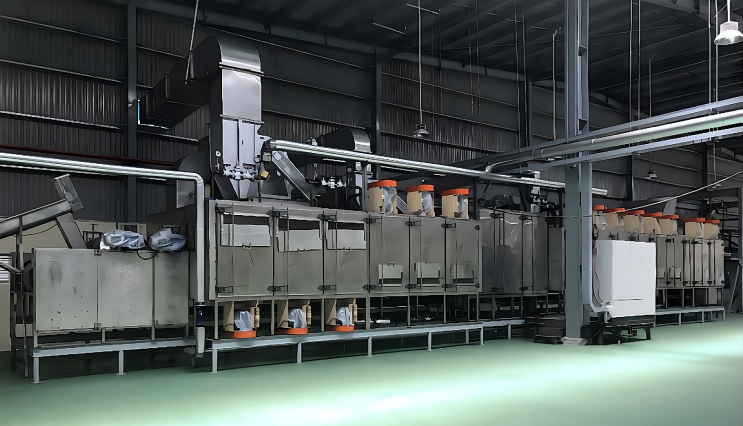
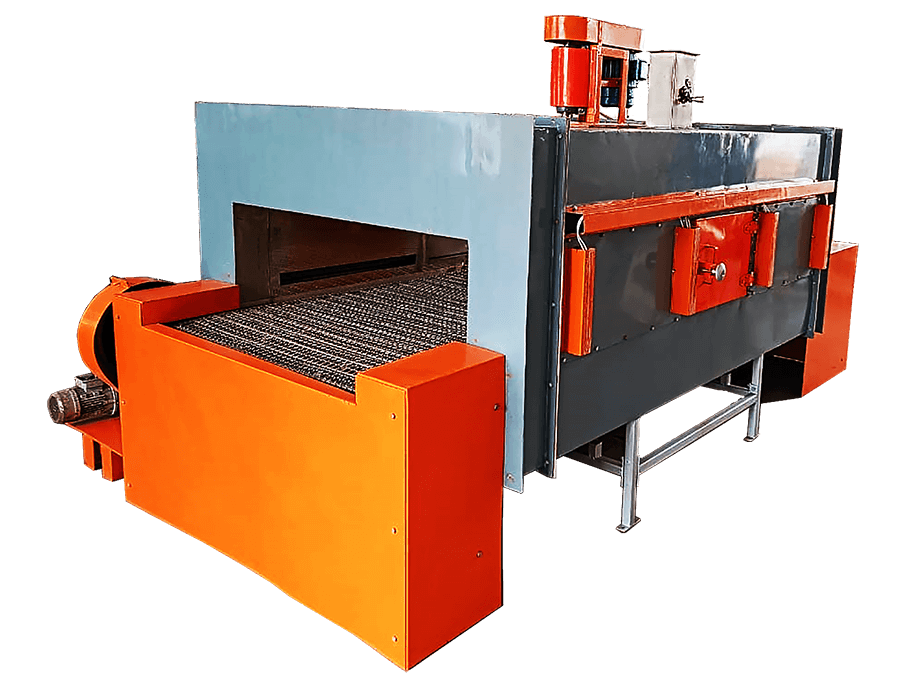
To dry and bake potato crisps, GEM recommends the Band Dryer (Beltotherm) and Tunnel & Belt Oven. Typical moisture is 30-45% in the feed and 1.5-2.5% after drying. Multi-Pass Conveyor Dryer and Industrial Cooler are used when the feed or site calls for it. Every project starts with a pilot trial on your own sample.
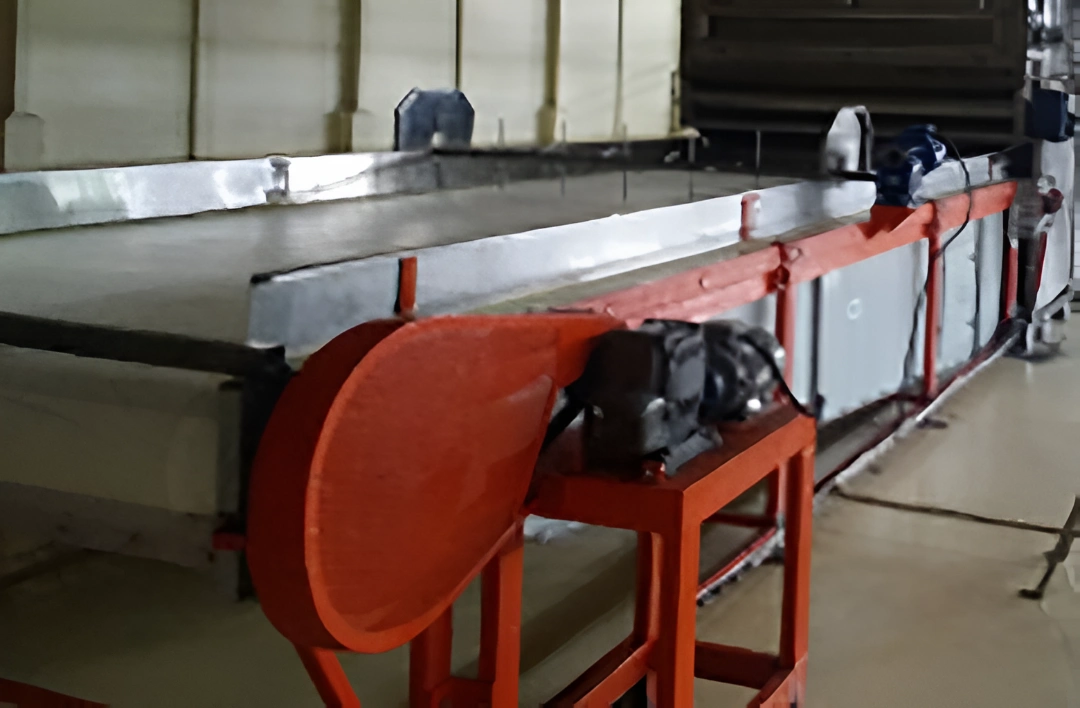
A belt oven bakes the slice through a rising temperature profile, then a band dryer finishes it to target in a thin, gently aerated bed where crispness is set. A cooler brings crisps down before seasoning and bagging, which is what stops condensation inside the pack. For pre-drying before a fryer the same band dryer is run as a short, high-airflow stage.
| Typical feed moisture | 30-45% |
| Typical target moisture | 1.5-2.5% |
| Recommended dryer | Band Dryer (Beltotherm) |
| Alternatives | Multi-Pass Conveyor Dryer, Industrial Cooler |
| Application area | Food Products & Snacks |
| Industries | Food & Beverage |
Baked crisps reach the texture of fried product at a fraction of the oil, which is what the low-fat snack shelf is built on. Even moisture across the belt means fewer fines, fewer rejects on colour, and a bag that stays crisp to its date.
Plants searching for a potato crisp dryer or comparing a baked snack oven usually need three answers: which dryer fits, what it costs to run, and how fast it pays back. For potato crisps we start from your throughput, slice thickness, current moisture (typically 30-45%) and the target (1.5-2.5%), trial your own slices on the Band Dryer, and return a sized recommendation with a budget quotation for your snack line.
We trial your material in our pilot facility before any equipment decision, then size the dryer from real data.
Describe it in the form, or Message an Engineer directly →