


Coconut Dryers
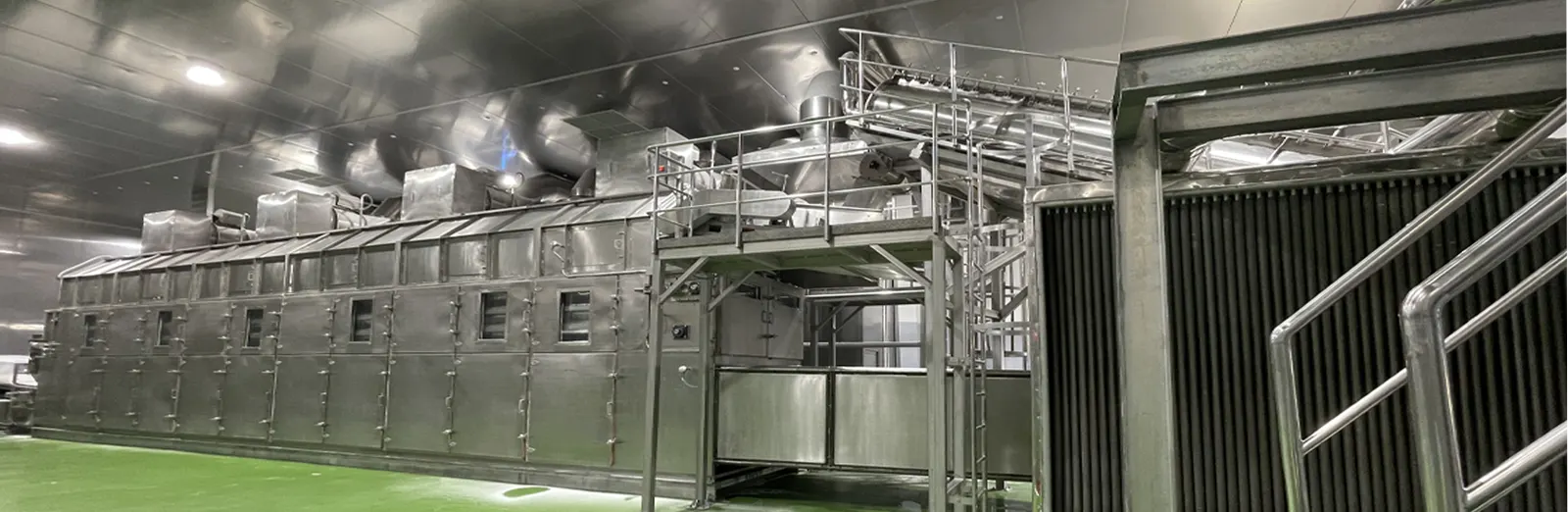
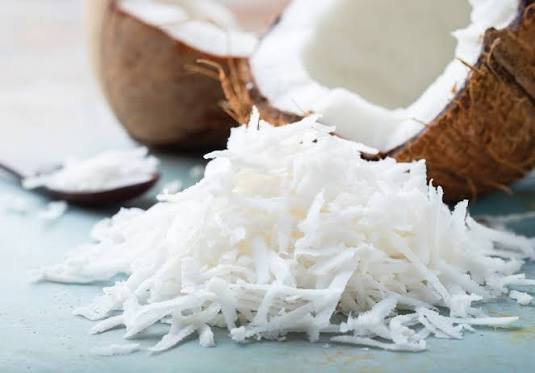
Coconut processing is GEM Drytech's core heritage, with desiccated coconut dryers supplied to plants in the Philippines, Indonesia, Vietnam and Sri Lanka. This hub covers the four products most plants dry: desiccated coconut, chips and flakes, coconut flour from pressed residue, and copra for oil milling. They share an oil-rich kernel that turns rancid or discoloured when drying goes wrong. Feed moisture sits at 45–50% for desiccated coconut and chips, 50–60% for flour and 45–55% for copra. Food products go below 3% or to 3–5%, while copra is dried to 5–7%.
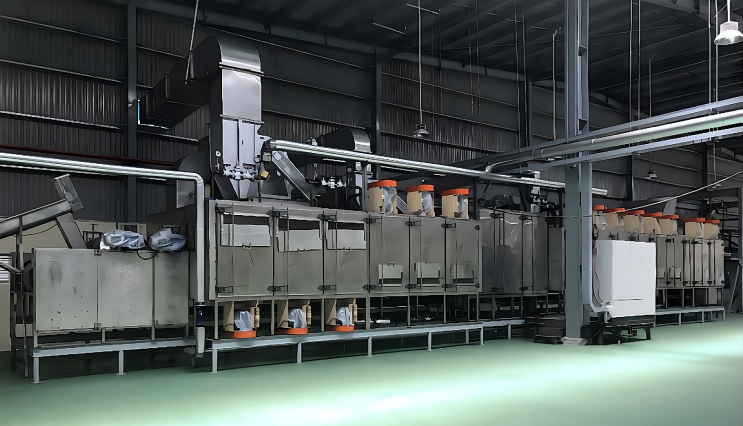
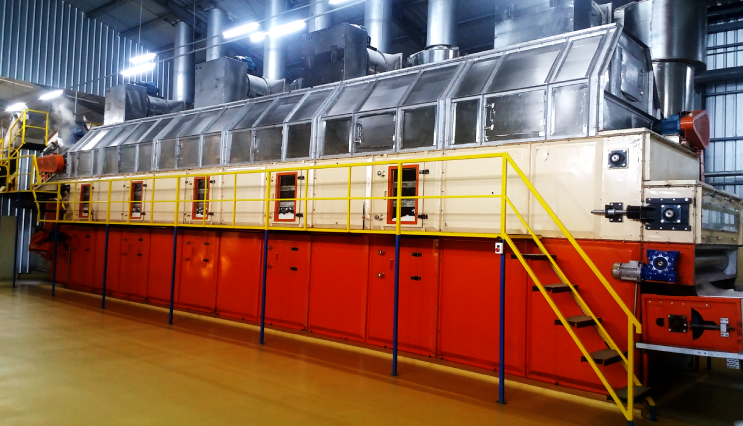
For coconut processing, GEM most often specifies the Band Dryer (Beltotherm) and Mesh Belt Dryer (Meshotherm). Moisture targets differ by material, so the table below lists typical feed and target moisture for each of the 4 materials in this group, and every project is confirmed on your own sample in a pilot trial.
Coconut Processing: moisture and dryer by material
| Material | Feed moisture | Target | Recommended dryer |
|---|---|---|---|
| Desiccated Coconut | 45–50% | below 3% | Band Dryer |
| Coconut Chips & Flakes | 45–50% | below 3% | Band Dryer |
| Coconut Flour | 50–60% | 3–5% | Band Dryer |
| Copra | 45–55% | 5–7% | Mesh Belt Dryer / Band Dryer |
Typical values. Your material is confirmed in a pilot trial before sizing.
Which dryer for which material
Desiccated coconut, chips and flakes, and coconut flour all point to a Band Dryer (Beltotherm), because a solid belt with zoned airflow keeps product white, copes with sticky sugared chips and holds fine particles that would drop through mesh. For toasted or sweetened chips, a Tunnel & Belt Oven is the alternate. A Multi-Pass Conveyor Dryer or Vibratory Fluid Bed Dryer can suit smaller desiccated coconut or flour lines where floor space is tight. Copra suits a Mesh Belt Dryer (Meshotherm) or band dryer using clean hot air, avoiding the smoke contact of traditional kilns.


What makes coconut processing hard to dry
- With oil making up most of the dry kernel, a few degrees too much heat lifts free fatty acids and shortens shelf life in export markets.
- Buyers grade desiccated coconut on whiteness, so any hot spot or uneven air distribution shows up as specks that downgrade the whole lot.
- Syruped chips caramelise and mark the belt, while thin slices curl and stack, leaving soft centres unless spreading and zone temperatures are right.
- Traditional smoke-fired copra kilns leave tar and PAH residues and dry too slowly in the first hours, inviting mould and aflatoxin.
Why it pays back
In coconut processing, drying decides the grade. Even colour and low free fatty acids let desiccated coconut and chips meet export specifications for bakery, confectionery and snack buyers. Efficient flour drying turns expeller residue into a gluten-free product with its own margin. Clean, fast copra drying raises oil quality and keeps edible-grade options open, rather than selling into the lowest-priced market.
Materials in this group
Coconut Dryers: questions buyers ask
What final moisture do coconut products need?
Band dryer or multi-pass conveyor dryer for desiccated coconut?
Can one coconut dryer handle DC, chips and flour?
Send us a sample. See it dried.
We trial your material in our pilot facility before any equipment decision, then size the dryer from real data.
- Tell us the material, moisture and throughput.
- An engineer confirms the trial plan and sample shipping.
- You get drying data and a sized recommendation with a budget quotation.
Material not listed? Talk to our technical expert.
Describe it in the form, or message an engineer directly.
