Resist Salt Bead Drying

  • Pilot trial on your own sample
  • 112+ installations in 7 countries
  • Engineer replies in 1 working day

Resist salt bead drying applies to sodium meta-nitrobenzene sulphonate, a mild oxidising agent used in reactive dye printing to stop dye reduction during steaming. It is supplied as beads or granules for dust-free dissolution in print pastes, and as a nitro aromatic salt it must be dried with careful temperature control.

Quick answer

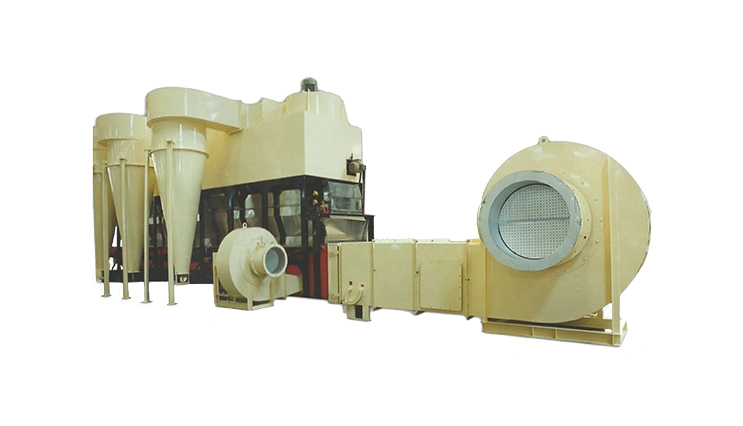
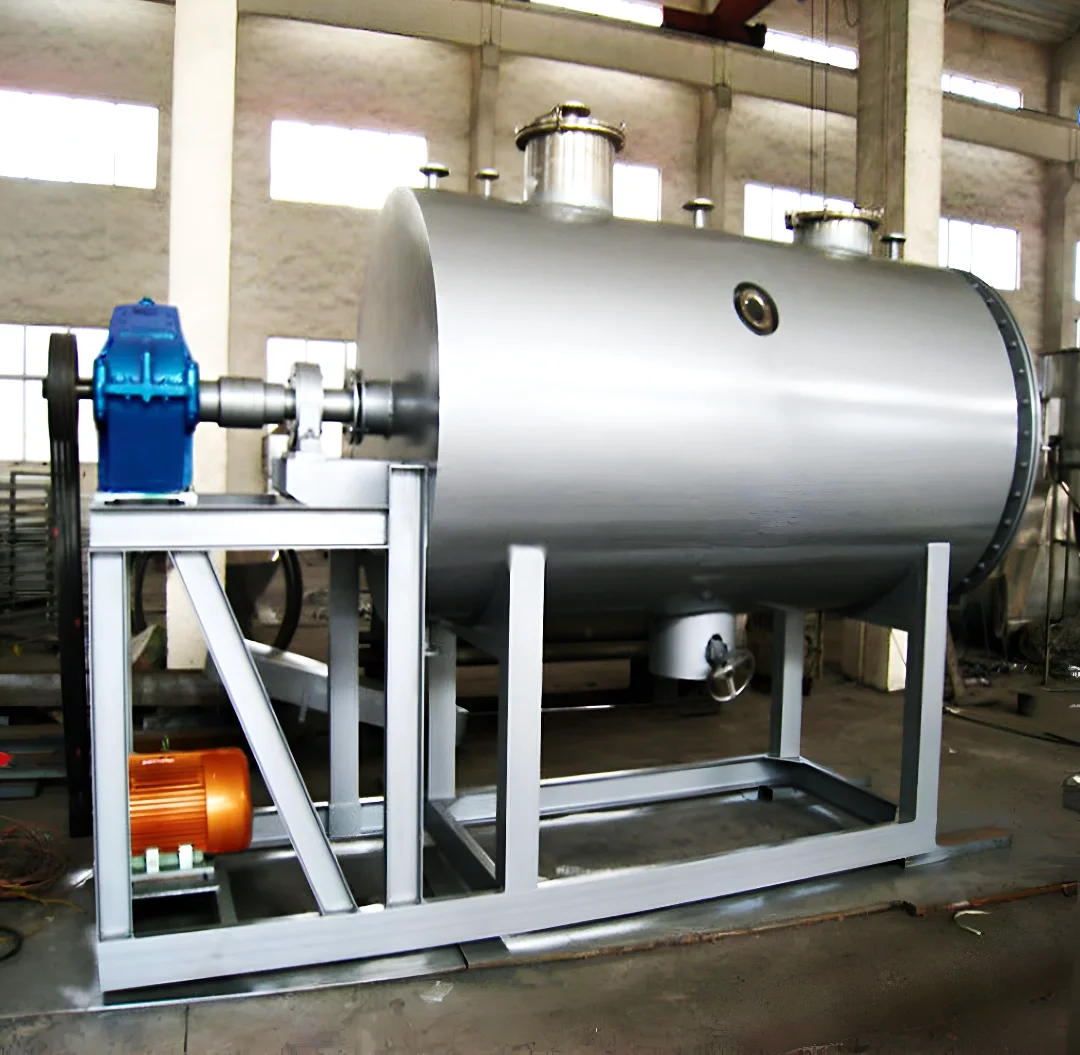
To dry resist salt beads, GEM recommends the Combination Fluid Bed Dryer. Vibratory Fluid Bed Dryer and Rotary Vacuum Dryer are used when the feed or site calls for it. Every project starts with a pilot trial on your own sample.

1998established112+installations7countriesDried & Testedin-house pilot trialsCertifications · Case studies
The challenge

What makes Resist Salt Beads hard to dry

  • As a nitro aromatic compound, the product needs temperature limits and decomposition data before drying.
  • Resist salt beads break back into fine dust if dryer agitation or air velocity is too aggressive.
  • The salt is hygroscopic, so beads cake in bags without thorough drying and cooling.
  • Dye houses need consistent bead size so the salt dissolves quickly and leaves no residue in print pastes.
How GEM dries it

The right dryer for Resist Salt Beads

A combination fluid bed dries and cools beads in staged zones with even air contact and limited mechanical stress. A vibratory fluid bed suits smaller lines; a rotary vacuum dryer is used where thermal stability data calls for lower product temperatures.

Recommended dryerCombination Fluid Bed Dryer
AlternativesVibratory Fluid Bed Dryer, Rotary Vacuum Dryer
Application areaChemicals & Salts
IndustriesChemicals & Specialty Chemicals, Textile & Dye Houses
The value

What drying Resist Salt Beads unlocks

Dust-free, dry beads dissolve consistently in print pastes and carry a better price than powder grades, while controlled drying reduces off-spec batches and the safety concerns of overheating nitro compounds.

Dried Resist Salt Beads becomes

  • Reactive dye printing auxiliary
  • Textile printing paste additive
  • Discharge printing assistant
  • Electroplating additive
For buyers

Buying a Resist Salt Beads dryer?

Plants searching for a resist salt dryer or comparing a resist salt beads drying usually need three answers: which dryer fits, what it costs to run, and how fast it pays back. For Resist Salt Beads, we start from your throughput, current moisture and the target, trial a sample on the Combination Fluid Bed Dryer, and return a sized recommendation with a budget quotation for your chemicals and textile operation.

FAQ

Resist Salt Beads: questions buyers ask

Is resist salt safe to dry with hot air?
It can be dried with controlled hot air once thermal stability is confirmed. Product temperature is kept well below decomposition onset. DSC data is reviewed during design.
Can you dry powder and bead grades on one line?
A fluid bed can handle both with adjustments, though fines from powder grades need efficient dust recovery. Separate settings are used for each grade to limit attrition of beads.

Send us a sample. See it dried.

We trial your material in our pilot facility before any equipment decision, then size the dryer from real data.

  1. Tell us the material, moisture and throughput.
  2. An engineer confirms the trial plan and sample shipping.
  3. You get drying data and a sized recommendation with a budget quotation.

Material not listed? Talk to our technical expert.

Describe it in the form, or directly →

Request a trial or quotation

    An engineer replies within one working day. We never share your details.

    Chat with GEM Drytech on WhatsApp