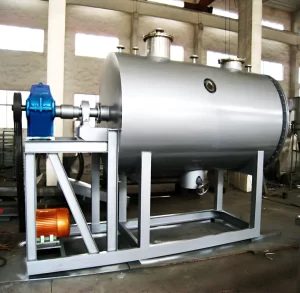
Dye intermediates drying covers the aromatic amines, naphthalene sulphonic acids and sulphone compounds, such as H-acid and vinyl sulphone ester, that are later coupled into finished dyes. Many leave centrifuges as acidic, salt-rich or solvent-wet cakes. Producers need contained, corrosion-resistant drying that preserves assay and purity for the next synthesis step.
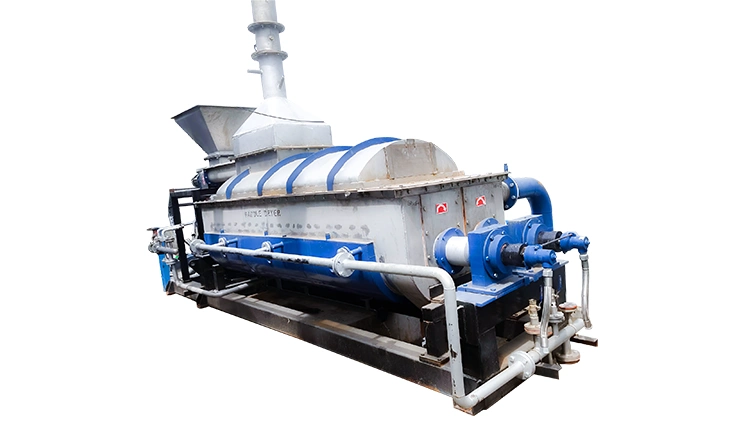
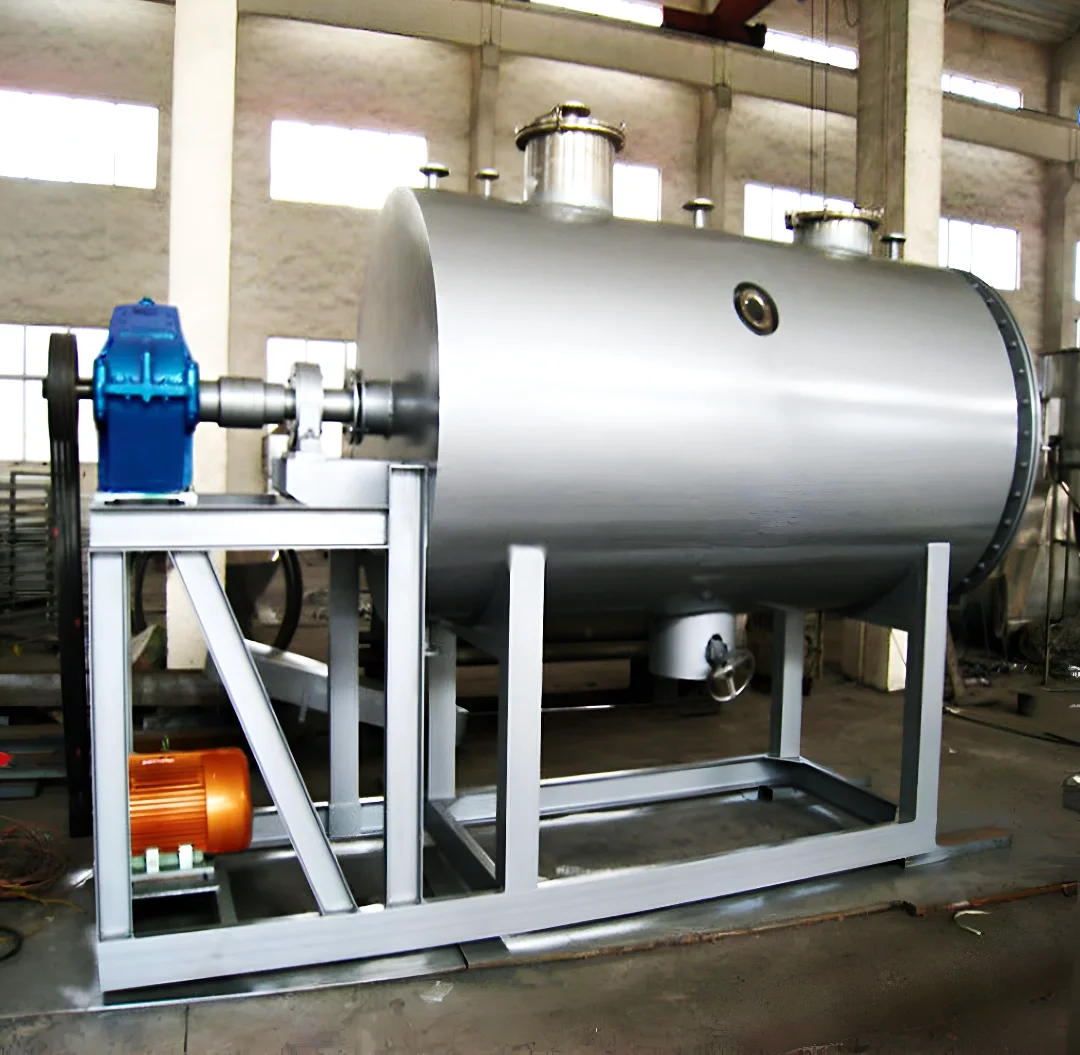
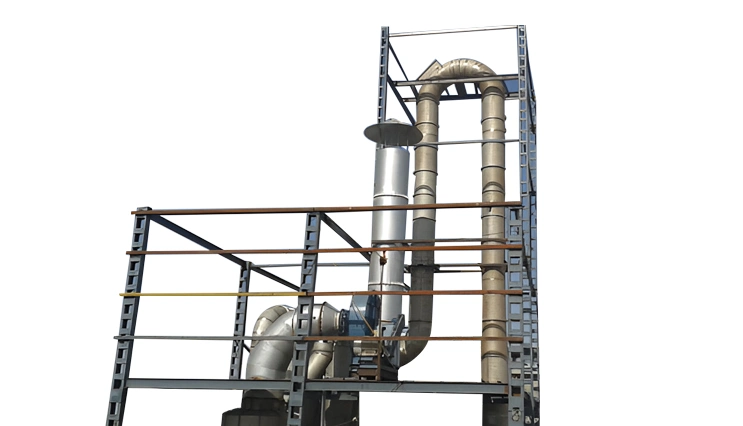
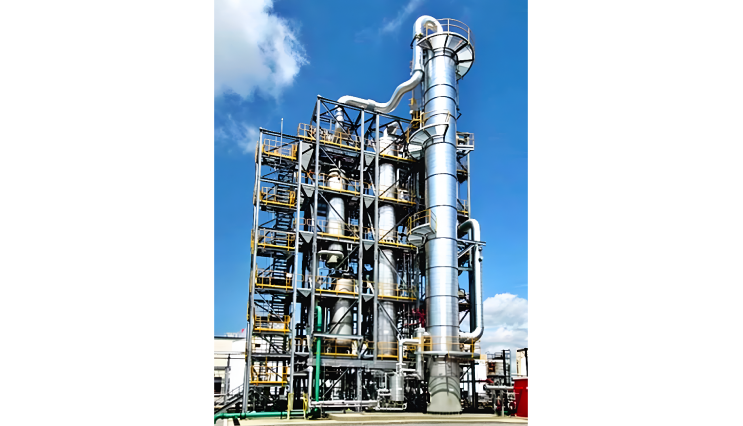
To dry dye intermediates, GEM recommends the Paddle Dryer and Rotary Vacuum Dryer. Flash Dryer and Agitated Thin Film Dryer are used when the feed or site calls for it. Every project starts with a pilot trial on your own sample.
Paddle and rotary vacuum dryers dry intermediates indirectly in sealed vessels, recovering solvent and containing dust. Flash drying is chosen only for water-wet, stable, non-flammable intermediates; thin film dryers handle intermediate solutions.
| Recommended dryer | Paddle Dryer, Rotary Vacuum Dryer |
| Alternatives | Flash Dryer, Agitated Thin Film Dryer |
| Application area | Dyes, Pigments & Intermediates |
| Industries | Dyes, Pigments & Inks, Chemicals & Specialty Chemicals |
Dry, high-assay intermediates couple reliably and reduce failed or off-shade dye batches. Contained drying recovers solvents for reuse, reduces operator exposure and supports pollution control compliance at chemical sites.
Plants searching for a dye intermediate dryer or comparing a H acid drying usually need three answers: which dryer fits, what it costs to run, and how fast it pays back. For Dye Intermediates, we start from your throughput, current moisture and the target, trial a sample on the Paddle Dryer, and return a sized recommendation with a budget quotation for your dyes and chemicals operation.
We trial your material in our pilot facility before any equipment decision, then size the dryer from real data.
Describe it in the form, or Message an Engineer directly →