


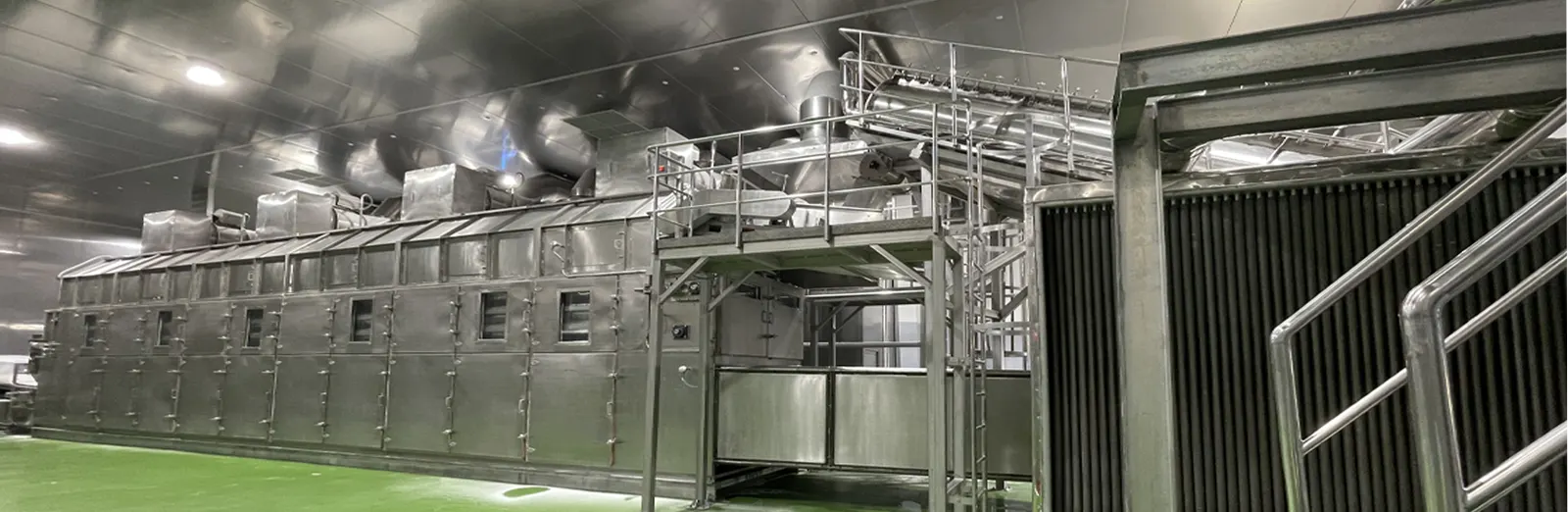
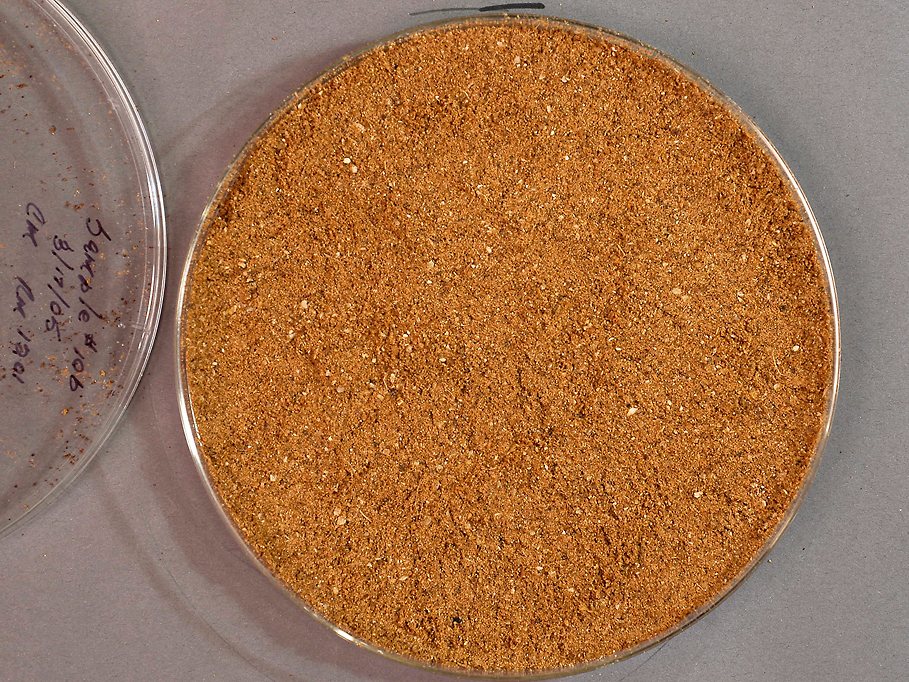
Fish Meal & Protein Meal Dryers
This hub covers the protein ingredients that feed mills usually buy rather than make: fish meal, rendered meat and bone meal, black soldier fly larvae meal . They are grouped because each arrives as a heavy, oily or greasy mass that must be dried quickly before it spoils, without cooking the protein. Feed moisture is high, from 45–55% for fish press cake up to 60–70% for larvae, and the dried meal typically targets 5–10%. Balancing throughput against protein digestibility is the central challenge.
For feed proteins & meals, GEM most often specifies the Paddle Dryer and Rotary Tube Bundle Dryer. Moisture targets differ by material, so the table below lists typical feed and target moisture for each of the 3 materials in this group, and every project is confirmed on your own sample in a pilot trial.
Feed Proteins & Meals: moisture and dryer by material
| Material | Feed moisture | Target | Recommended dryer |
|---|---|---|---|
| Fish Meal | 45–55% | 8–10% | Rotary Tube Bundle Dryer / Paddle Dryer |
| Rendered Meat & Bone Meal | 45–60% | 5–8% | Paddle Dryer / Rotary Tube Bundle Dryer |
| Insect Meal (BSF Larvae) | 60–70% | 5–8% | Paddle Dryer / Rotary Tube Bundle Dryer |
Typical values. Your material is confirmed in a pilot trial before sizing.
Which dryer for which material
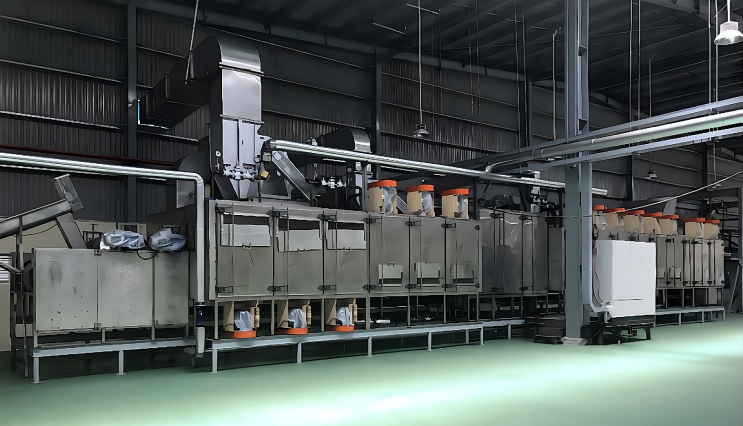
Fish meal is usually dried in a Rotary Tube Bundle Dryer or a Paddle Dryer, both indirect steam units that handle oily press cake and stickwater without exposing it to hot gas. Meat and bone meal reverses the preference, with the Paddle Dryer first, because its strong agitation copes with melted tallow and abrasive bone. Insect meal also favours the Paddle Dryer or Rotary Tube Bundle Dryer, though a Band Dryer is an alternate for whole larvae that must keep their shape.


What makes feed proteins & meals hard to dry
- Fish press cake blended with stickwater concentrate is oily and tends to ball up, so the dryer needs agitation strong enough to keep it moving.
- Bone fragments in rendered meal grind away at paddles, tubes and discharge gates, making wear allowance and replaceable parts a real cost factor.
- Black soldier fly larvae carry enough fat to smear across hot surfaces, and excess heat darkens the meal and lowers what buyers will pay.
- Wet by-products such as yeast and fermentation residues may come in at 60–80% water and start to ferment in under a day, leaving little time between production and drying.
Why it pays back
Protein meals are priced on protein content and digestibility, so a dryer that keeps temperature in check directly affects the price per tonne you can ask, especially for aqua and piglet grades. Drying to a stable 5–10% also stops fermentation and rancidity, turning a perishable by-product into a storable, tradable ingredient instead of a waste stream with its own disposal bill.
Materials in this group
Fish Meal & Protein Meal Dryers: questions buyers ask
Paddle dryer or rotary tube bundle dryer for fish meal?
Can I make low-temperature or premium fish meal with an indirect dryer?
How should insect larvae be dried for meal compared with whole larvae?
Send us a sample. See it dried.
We trial your material in our pilot facility before any equipment decision, then size the dryer from real data.
- Tell us the material, moisture and throughput.
- An engineer confirms the trial plan and sample shipping.
- You get drying data and a sized recommendation with a budget quotation.
Material not listed? Talk to our technical expert.
Describe it in the form, or message an engineer directly.
