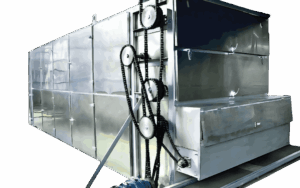
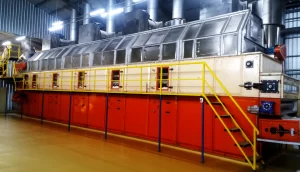
ETP sludge varies with the production process, treatment chemistry and dewatering equipment. Two sludges with the same moisture content can behave differently during feeding and drying. A useful selection study therefore starts with representative samples, dry solids content and the intended destination of the dried material.
Sticky behaviour, abrasion, salts and volatile components affect equipment selection. Belt drying may suit a prepared, permeable feed layer; other materials may need a different dryer or feed-conditioning arrangement. The project should assess odour and exhaust treatment, dust control, corrosion, cleaning access and the available heat source. Drying does not by itself establish whether a waste is suitable for fuel use or disposal.
Provide wet feed rate, inlet and target moisture with the measurement basis, sludge analysis, dewatering method and sample availability. Describe operating hours, utilities, site constraints, emission requirements and the planned handling of the dry product. Trials can help establish feed behaviour and an appropriate operating range.
See sludge and biosolids belt drying and our gelatin filter-press sludge case study. Discuss your ETP sludge application.