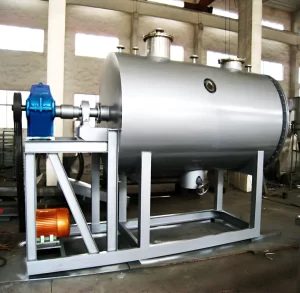
Pesticide drying covers herbicides, fungicides and other crop-protection actives and intermediates produced in multi-product agrochemical plants. Cakes from filters and centrifuges may be water-wet or solvent-wet, toxic as dust and prone to cross-contamination between products, so drying is done in sealed indirect equipment that can be cleaned thoroughly between campaigns.
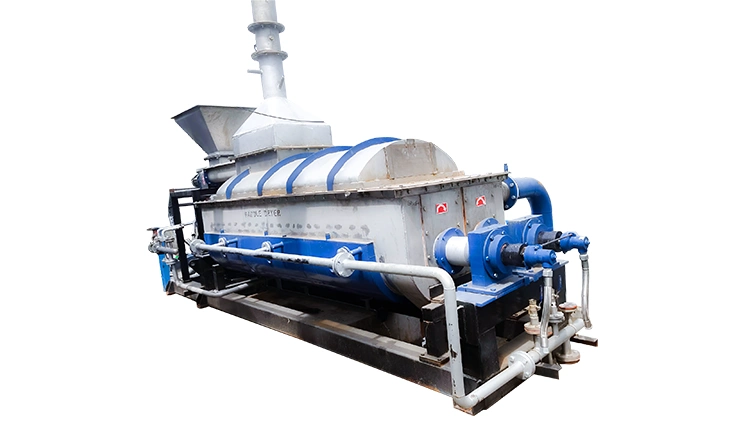
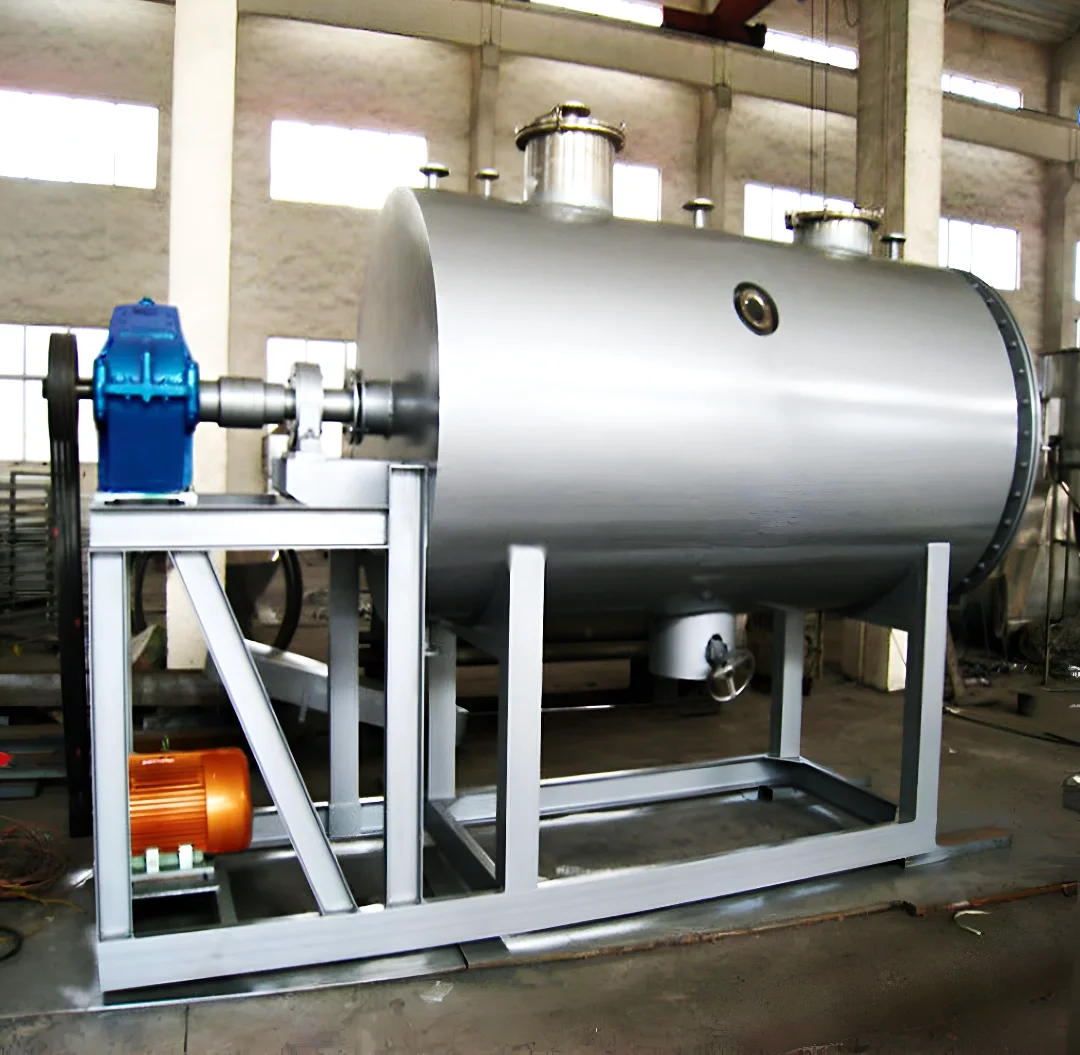
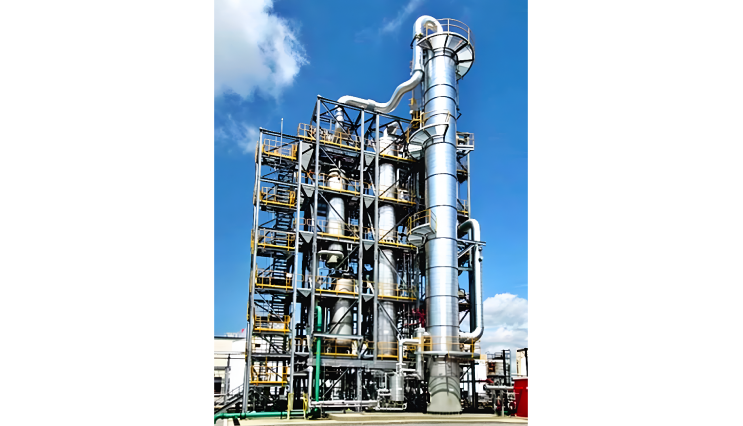
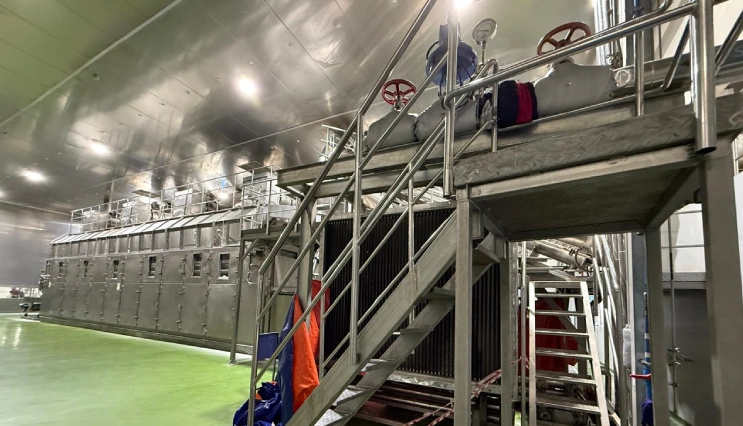
To dry pesticides, GEM recommends the Paddle Dryer. Rotary Vacuum Dryer, Agitated Thin Film Dryer and Combination Fluid Bed Dryer are used when the feed or site calls for it. Every project starts with a pilot trial on your own sample.
A paddle dryer gives continuous, sealed, indirect drying of wet cakes with steady discharge and solvent recovery. A rotary vacuum dryer is chosen for heat-sensitive batch campaigns, and a fluid bed only for water-based granule formulations in inerted closed-loop systems.
| Recommended dryer | Paddle Dryer |
| Alternatives | Rotary Vacuum Dryer, Agitated Thin Film Dryer, Combination Fluid Bed Dryer |
| Application area | Fertilizers & Agrochemicals |
| Industries | Fertilizers & Agrochemicals, Chemicals & Specialty Chemicals |
Sealed drying recovers solvent, protects staff and supports regulatory compliance. Clean, quick changeovers allow one dryer to serve multiple products without cross-contamination complaints or lost campaign time.
Plants searching for a pesticide dryer or comparing a insecticide dryer usually need three answers: which dryer fits, what it costs to run, and how fast it pays back. For Pesticides, we start from your throughput, current moisture and the target, trial a sample on the Paddle Dryer, and return a sized recommendation with a budget quotation for your fertilizers and chemicals operation.
We trial your material in our pilot facility before any equipment decision, then size the dryer from real data.
Describe it in the form, or Message an Engineer directly →