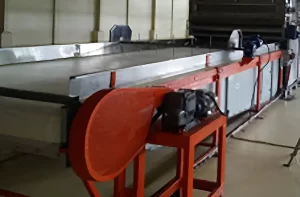
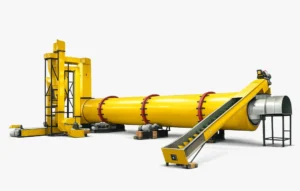
Powder processing enquiries should identify whether the required duty is moisture removal, cooling after another process, or both stages in a defined line. This page covers the catalogue’s rotary-dryer and industrial-cooler references. “Powder” describes a physical form, not a complete process specification.
For drying, supply the incoming and target moisture or residual-liquid content. For cooling, state the inlet temperature and required outlet condition, including expected ambient conditions. Explain whether the feed arrives directly from upstream equipment or from storage and how it will be metered to the line.
Assess the rotary dryer and industrial cooler as separate duties within the proposed line. For the flash-process assessment of a fine particulate feed, use fine powder drying. A damp or cohesive powder has a separate wet powder assessment.
Share the powder and process data through the technical enquiry form. Discuss representative pilot testing where material handling or the required outlet condition needs confirmation.