Bark and hog fuel drying improves the fuel that pulp mills and sawmills burn in their own power boilers. Hogged bark is stringy, uneven and often wet from log ponds or wet debarking, and it carries sand and grit, which makes it one of the harder biomass fuels to dry evenly.
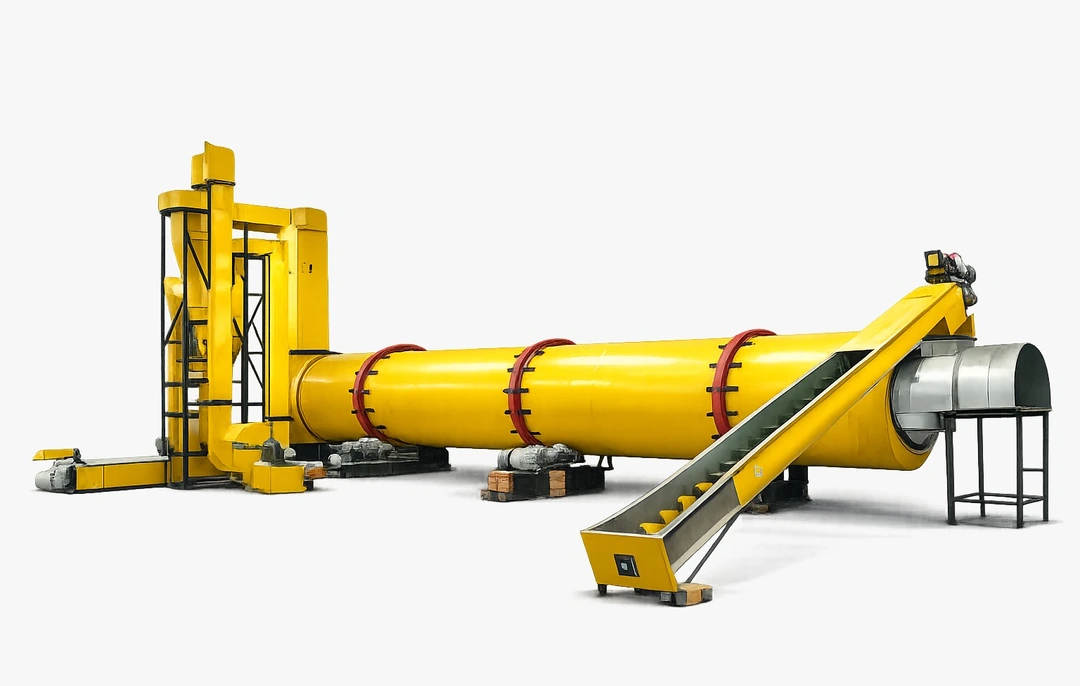
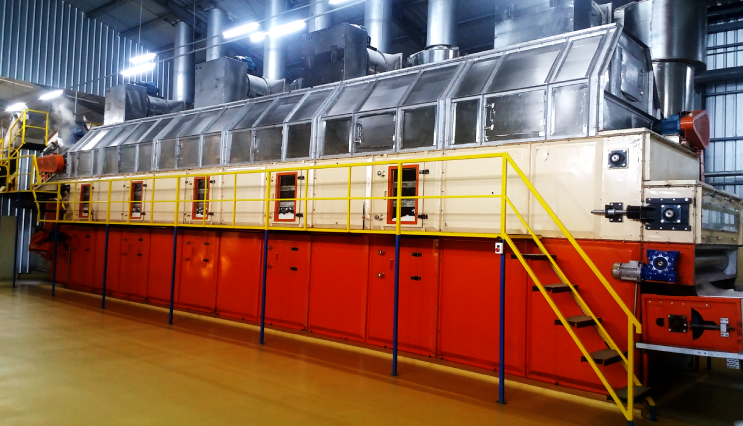
To dry bark & hog fuel, GEM recommends the Rotary Dryer. Typical moisture is 50–65% in the feed and 25–35% after drying. Mesh Belt Dryer and Rotary Cascade Dryer are used when the feed or site calls for it. Every project starts with a pilot trial on your own sample.
A rotary dryer tolerates stringy, gritty hog fuel and accepts hot boiler flue gas, so it suits mill-integrated systems. A mesh belt is chosen when low-grade heat is the source; a cascade rotary suits very coarse, contaminated fuel.
| Typical feed moisture | 50–65% |
| Typical target moisture | 25–35% |
| Recommended dryer | Rotary Dryer |
| Alternatives | Mesh Belt Dryer, Rotary Cascade Dryer |
| Application area | Biomass & Solid Fuel |
| Industries | Biomass, Bioenergy & Recycling, Paper & Pulp |
Drying hog fuel to around 30% moisture stabilises boiler steam output, reduces fossil fuel support firing, and lets the mill burn more of its own residue instead of paying for disposal.
Plants searching for a bark dryer or comparing a hog fuel dryer usually need three answers: which dryer fits, what it costs to run, and how fast it pays back. For Bark & Hog Fuel, we start from your throughput, current moisture (typically 50–65%) and the target (25–35%), trial a sample on the Rotary Dryer, and return a sized recommendation with a budget quotation for your biomass and paper operation.
Compare all 6 materials in Wood, Sawdust & Pellet Lines or browse the wider Biomass & Solid Fuel family.
We trial your material in our pilot facility before any equipment decision, then size the dryer from real data.
Describe it in the form, or message an engineer directly.