Government of India Recognized Export House
● Now serving U.S. municipal & public water utilities info@gemdryers.com
Municipal Biosolids & Sludge Drying Systems

Dry it down. Cut what you haul.

A continuous belt or paddle dryer that shrinks dewatered cake and digested biosolids 3–5× by mass — cutting tipping-fee and hauling spend, freeing up digester capacity, and engineering a documented time-and-temperature profile toward EPA 40 CFR Part 503 Class A pathogen reduction.

  • Shrink biosolids volume 3–5× by mass — lower hauling truckloads and landfill tipping fees
  • Engineer zone temperature & residence time toward a documented EPA Part 503 PFRP regime
  • Free up digester & lagoon capacity without new tankage or capital expansion
  • Prove it on your own cake first — free lab trial before your utility commits capital

Response within 24 hours · Serving U.S. municipal & public water utilities and their engineers of record · Control panels built to UL 508A · NFPA 79

★★★★★ 88% repeat-order rate from operators & engineering firms across 15+ countries

Get a custom quote for your plant

Tell us about your biosolids stream. We'll size the right dryer and send indicative pricing + the cost-savings case.

+1 ▼
USA +1
UK +44
India +91
Australia +61
Germany +49
France +33
UAE +971
China +86
South Korea +82
Spain +34
Indonesia +62
Singapore +65
Brazil +55
Mexico +52

By submitting this form, you agree to our Privacy Policy.

Your details stay private. No spam, ever.

Thank you — request received.

One of our drying engineers will review your biosolids stream and reply within 24 hours with sizing, indicative pricing and the cost-savings case. Prefer to talk now? Message us on WhatsApp →

0+
Years engineering dryers
0+
Dryers delivered
0+
Countries served
88%
Repeat-order rate
<0.5%
Annual spares cost*
One platform, every biosolids stream

Whatever cake your plant produces, we can dry it down

A continuous belt or paddle dryer with independently controlled heating zones adapts to dewatered cake, digested biosolids and lagoon residuals alike — corrosion-resistant construction built for the H₂S environment.

Dewatered Municipal Cake

Belt-press or centrifuge cake at 18–28% solids, dried down for lighter, cheaper hauling and disposal.

Digested Biosolids

Anaerobically or aerobically digested biosolids dried toward a documented PFRP time-temperature regime.

Lagoon & Pond Dredging Residuals

Long-stored lagoon and pond sludge dewatered and dried for closure, dredging or capacity-recovery projects.

Lime-Stabilized Biosolids

Lime-stabilized cake dried to a stable, lower-volume product without undoing your stabilization work.

Co-Digestion & FOG / DAF Sludge

Grease-trap, FOG and DAF-heavy co-digestion residuals dried and stabilized for consistent handling.

Water Treatment Plant Residuals

Alum and lime sludge from drinking-water treatment plants, dried down for lower-cost disposal.

Small & Package-Plant Sludge

Compact, flexible-footprint units sized for smaller communities and package treatment plants.

Don't see your stream?

We've dried 20+ residue categories across 15+ countries. Send us a sample — we'll run a free trial and prove the result.

On the plant floor

Real cake, real reduction

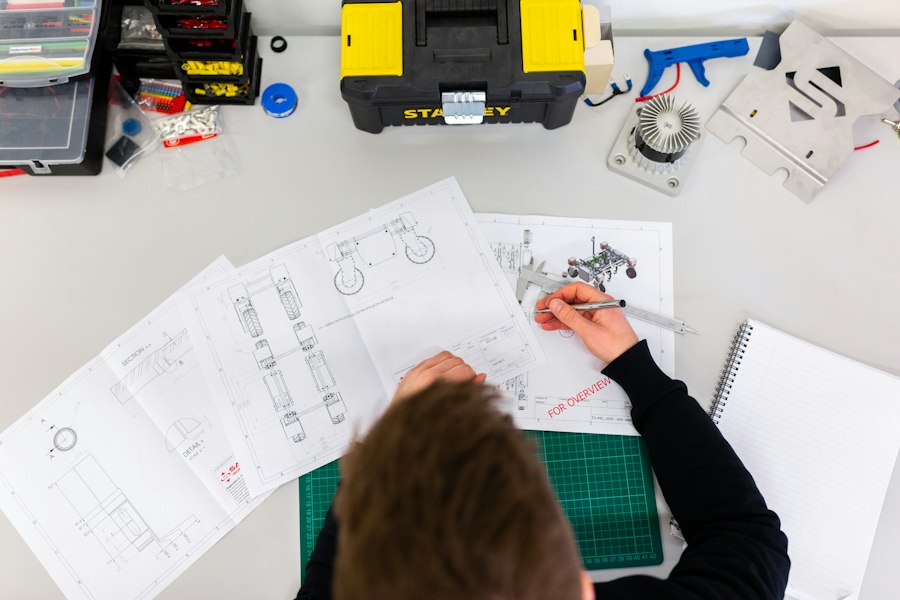
A look at the biosolids streams and the continuous line that turns wet cake into a lighter, more manageable product.

The whole point

We don't sell dryers. We help you manage what your plant produces.

Drying isn't about removing water for its own sake — it's about what leaves your gate afterward: fewer truckloads, lower tipping fees, and a documented path toward Class A.

Haul it wet — or dry it down?

Wet cake is heavy, perishable and priced like a disposal cost with no ceiling. Dried to spec, the same material is lighter to haul, more stable to store, and — with a documented time-temperature regime — a candidate for Class A beneficial reuse. The dryer is the lever between the two.

Wet CakeHeavy hauling · rising tipping fees · limited storage · Class B only
Dried3–5× lighter · lower disposal cost · stable storage · Class A pathway
Why a Gem biosolids dryer

Engineered to lower your disposal spend — not just remove water

Every design choice points at one outcome: less to haul, better documentation, and a plant that's easier to run and easier to permit.

01

Lower hauling & tipping-fee spend

3–5× mass reduction means fewer truckloads and lower per-ton disposal or landfill tipping-fee costs — often the single biggest line item in biosolids management.

02

A documented path toward Class A

Zone-controlled temperature and residence time give you the data your engineer needs to document a PFRP regime under 40 CFR Part 503 — opening land-application and beneficial-reuse options.

03

Frees digester & lagoon capacity

Draw down standing inventory and processed solids faster — without a costly new digester, tank or lagoon expansion.

04

Auditable, consistent output

±1°C zone control and full data logging give you batch-level moisture and temperature records for state DEP and EPA reporting.

05

Continuous operation, less manual handling

24/7 conveyor operation cuts manual biosolids handling — reducing odor exposure and labor at the plant.

06

"No buy-and-fly" support

Post-install training, long-term AMC, spares historically under 0.5% of machine value. 88% of our clients come back for their next dryer.

Biosolids dryer specifications and continuous drying line
Technical specifications

Built around your cake — not off a shelf

Every biosolids dryer is sized to your solids content, moisture target and throughput. These are the ranges we engineer within:

  • Independently controlled multi-zone heating with dedicated coils & fans
  • Mid-section product overturn for edge-to-edge uniform drying
  • Corrosion-resistant construction rated for the H₂S / biosolids environment
  • Integrated cooling section & exhaust-air heat recovery
Belt width700 – 3,250 mm
Dryer length10 – 45 m
Output capacity200 – 2,000 kg/hr per line
Feed solids (cake)15 – 30% dry solids
Temperature control±1°C (PID, zone-logged)
ConstructionStainless steel, corrosion-resistant
Heat sourceGas · Steam · Electric · Thermic fluid · Biogas-ready
Trial availableYes — on your own biosolids
Smart · Monitored · Compliant

Automation & compliance data — engineered in, not bolted on

Every biosolids dryer can ship as a fully instrumented, connected system, specified to American standards and built to give your operations team the records regulators ask for.

PLC + Touchscreen HMI

Allen-Bradley / Siemens PLC with an intuitive HMI: recipe management, ±1°C zone control and one-touch start, stop and changeover.

SCADA & IIoT Remote Monitoring

Plant-wide SCADA plus a secure cloud dashboard — watch every zone, trend and alarm live from your phone, anywhere.

Per-Zone Energy Metering

Real-time kWh and energy-per-ton tracking on every zone, so you can see exactly where fuel and power go — biogas-ready.

Predictive-Maintenance Sensors

Vibration, bearing-temperature, motor-current and belt-tracking sensors flag wear early — you fix it on a schedule, not after a breakdown.

Spark Detection & Fire Suppression

Infrared spark/ember detection with high-speed water-spray suppression, engineered to NFPA 654 combustible-dust guidance for dried biosolids.

Automated Safety Interlocks

Over-temperature cut-offs, emergency stops, door and airflow interlocks and fault alarms protect product, people and plant automatically.

Full Traceability & Data Logging

Every batch's time and temperature logged for state DEP and EPA Part 503 documentation, audits and permit compliance.

UL-Standard Control Panels

Control panels built to UL 508A and machine wiring to NFPA 79 — with FM and CE options — so it's drop-in ready for U.S. municipal plants.

Engineered toward EPA 40 CFR Part 503 & American plant standards
EPA Part 503 PFRP-Ready NFPA 654 Dust Safety UL 508A Panels NFPA 79 Wiring
From RFP to running line

We prove the reduction on your biosolids first

No guesswork. Your team sees the moisture reduction and mass-balance numbers before your utility commits capital.

1

Share your biosolids profile

Send us your cake solids %, digestion type and target throughput. We assess feasibility fast.

2

Free lab trial

We dry a sample on our pilot unit and show you real moisture-reduction and mass-balance data.

3

Sized quote & funding guidance

You get a dryer sized to spec, indicative pricing, and pointers on SRF/WIFIA funding routes to discuss with your engineer.

4

Build, install, support

We build in our 60,000 sq.ft. plant, commission on-site, train your operations team and back it with AMC.

Service & spares

We don't sell and vanish — we keep your line running

"No buy-and-fly." A retained engineering partnership backs every dryer long after commissioning — which is a big reason 88% of our clients come back for their next machine.

01

Remote diagnostics

Because the dryer is IoT-connected, our engineers can read its live data and often diagnose — even resolve — an issue before a service truck ever rolls.

02

Guaranteed spares

Critical spares stocked and dispatched fast worldwide. Historically under 0.5% of machine value per year — a total cost of ownership finance teams love.

03

Annual Maintenance Contracts

Scheduled preventive maintenance and priority response keep uptime high and surprises low. We plan the service so your operators don't fight fires.

04

Commissioning & training

On-site installation, commissioning and hands-on operator training so your team runs the line confidently and safely from day one.

05

Lifetime engineering support

Process tweaks, capacity upgrades, new-stream trials — a long-term partnership, not a one-time transaction. We stay on the line with you.

06

Built to run for years

Simple, rugged, low-part-count engineering means fewer things to fail — and clients running 4+ years of continuous operation with minimal maintenance.

Proven engineering, new to municipal work

26+ years of continuous-dryer engineering, now applied to biosolids

Our belt and paddle dryers have run in food, agro-waste and industrial sludge applications across 15+ countries. Ask us for current municipal & biosolids project references as our water-sector installed base grows.

✓ EPA Part 503 PFRP-Ready Design
✓ NFPA 654 Combustible Dust
✓ UL 508A Panels
✓ NFPA 79 Wiring
✓ CE Marking (opt.)
✓ ISO-Aligned Manufacturing
✓ Govt. of India Export House

See what your plant could stop hauling once it's dried right

Send us your biosolids profile and throughput. We'll size the right dryer, run a free trial, and show you the hauling and disposal-cost upside — usually within 24 hours.


Questions, answered

Municipal biosolids dryer FAQ

What's the difference between a biosolids dryer and a sludge dryer? +
The terms are used interchangeably in the municipal water sector. Both describe continuous belt, paddle or rotary systems that reduce the moisture content of dewatered cake, digested biosolids or lagoon residuals.
Can this help our plant reach EPA Part 503 Class A? +
Class A pathogen reduction under 40 CFR Part 503 requires a documented time-and-temperature regime (a Process to Further Reduce Pathogens, or PFRP). We engineer the dryer's zone temperatures, residence time and data logging so your plant can document that regime — final Class A determination and permitting sit with your engineer of record and state regulator.
Does drying remove or destroy PFAS in biosolids? +
No. Thermal drying at these temperatures does not destroy PFAS compounds, and removing water can concentrate PFAS mass in the remaining solids. If PFAS-driven land-application restrictions are part of your challenge, a dryer addresses volume and hauling cost — not PFAS treatment, which requires a separate, specialized process. We're glad to be part of a broader plan alongside PFAS-focused providers.
Can you dry our actual biosolids before we commit? +
Yes — that's our standard process. Send us a representative sample and we'll run it on our pilot/lab unit, then share real moisture-reduction, mass-balance and handling data so your utility commits based on evidence, not assumptions.
What throughput and cake dryness can we expect? +
Standard output ranges 200–2,000 kg/hr per line, handling feed cake at 15–30% dry solids, with belt widths to 3,250 mm and lengths to 45 m. Corrosion-resistant construction is standard for the H₂S environment, and the system is fuel-flexible — gas, steam, electric, thermic fluid or biogas — so you can run on whatever's cheapest or already on-site.
Is it safe for the combustible dust dried biosolids can generate? +
Yes. We integrate infrared spark/ember detection with high-speed water-spray suppression, engineered to NFPA 654 combustible-dust guidance, alongside over-temperature protection and automated safety interlocks.
Can federally funded projects use Buy America (BABA) rules with your equipment? +
Build America, Buy America (BABA) domestic-preference requirements can apply to SRF- and WIFIA-funded water infrastructure projects. We're happy to discuss scope, sourcing and waiver options with your engineer of record early in design — applicability needs to be confirmed project-by-project with your funding agency.
Can we fund this through SRF, WIFIA or other water infrastructure programs? +
Many U.S. utilities finance biosolids equipment through their State Revolving Fund (SRF) loan program, WIFIA, or general capital improvement budgets. We don't arrange financing directly, but we're happy to provide the technical documentation your engineer or grants team needs to support an application.
Do you support U.S. municipal RFP and bid specifications? +
Yes. We work with engineering consultants and public works teams to align our specifications with your bid documents, and can provide the technical submittals typically required for municipal procurement.
What service and spares support do we get after installation? +
"No buy-and-fly." You get on-site commissioning and operator training, Annual Maintenance Contracts with priority response, remote diagnostics over IoT (often resolving issues before a truck-roll), and guaranteed fast spares — historically under 0.5% of machine value per year. 88% of our clients come back for their next dryer.
Get a Quote
// ===================================================== // GEM DRYTECH DIRECT WORDPRESS FORM SUBMISSION // Uses /wp-json/gem/v1/landing-submit // No Web3Forms / No mailto // ===================================================== (function(){ const form = document.getElementById("quoteForm"); if(!form) return; form.addEventListener("submit", function(e){ e.preventDefault(); const button = form.querySelector('button[type="submit"]'); const success = document.getElementById("formSuccess"); const countryCode = document.getElementById("countryCodeHidden").value || "+1"; const phone = document.getElementById("phone").value.trim(); const data = { name: document.getElementById("name").value.trim(), company: document.getElementById("company").value.trim(), email: document.getElementById("email").value.trim(), phone: countryCode + " " + phone, material: document.getElementById("material").value.trim(), throughput: document.getElementById("throughput").value, // Important for multiple landing pages page: window.location.pathname, message: "Material: " + document.getElementById("material").value + "\nPlant Size: " + document.getElementById("throughput").value }; if(!data.name || !data.email){ alert("Please fill required fields."); return; } button.disabled = true; button.innerHTML="Sending..."; fetch("/wp-json/gem/v1/landing-submit",{ method:"POST", headers:{ "Content-Type":"application/json" }, body:JSON.stringify(data) }) .then(response=>response.json()) .then(result=>{ if(result.success){ form.style.display="none"; success.style.display="block"; // Google Ads conversion event if(typeof gtag === "function"){ gtag('event', 'conversion', { 'send_to':'AW-18176687618', 'value':1.0, 'currency':'USD' }); } } else{ alert( result.message || "Submission failed. Please try again." ); button.disabled=false; button.innerHTML="Send Me My Quote →"; } }) .catch(error=>{ console.error(error); alert( "Unable to submit enquiry. Please try again." ); button.disabled=false; button.innerHTML="Send Me My Quote →"; }); }); })();